(FR) The external sector of the Moroccan economy

June 4, 2026

Cet épisode revient sur les principaux enseignements du chapitre consacré au secteur extérieur marocain, en mettant en lumière le paradoxe d’un déficit commercial structurel persistant combiné à une forte résilience des équilibres externes. Badr Mandry explique comment les transferts des Marocains résidant à l’étranger, les recettes touristiques et les investissements directs étrangers jouent un rôle d’amortisseurs face aux chocs externes, tout en soulignant la nécessité de diversifier les exportations et d’accélérer la transition énergétique pour renforcer durablement la soutenabilité du modèle marocain.
 

Speakers
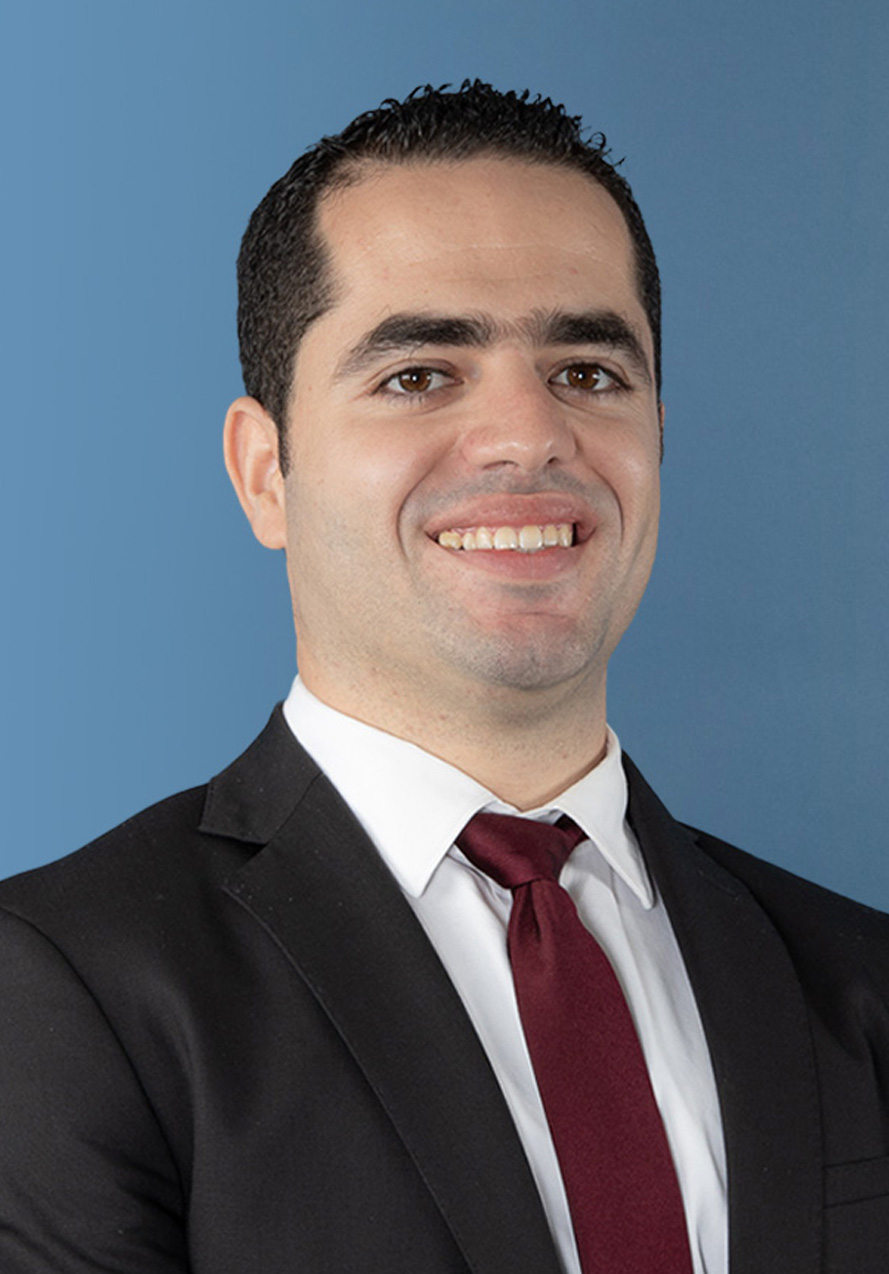
Hamza Saoudi
Senior Economist
Hamza Saoudi is a Senior Economist at the Policy Center for the New South (PCNS).At the PCNS, Hamza Saoudi conducts research on labor market dynamics, social protection systems, and inclusive growth, with a particular focus on Morocco and Africa. He is also interested in macroeconomic stabilization policies, international trade, and long-term economic development.He has contributed to PCNS projects and publications addressing informality, social protection, and inequality in developing economies.He also served as the project coordinator of the Oxford Handbook of the Moroccan Economy, published by Oxford University Press in 2026.Before joining the PCNS in 2017, Hamza Saoudi contributed to the development of quantitative models for bank credit risk management.Hamza Saoudi holds ...
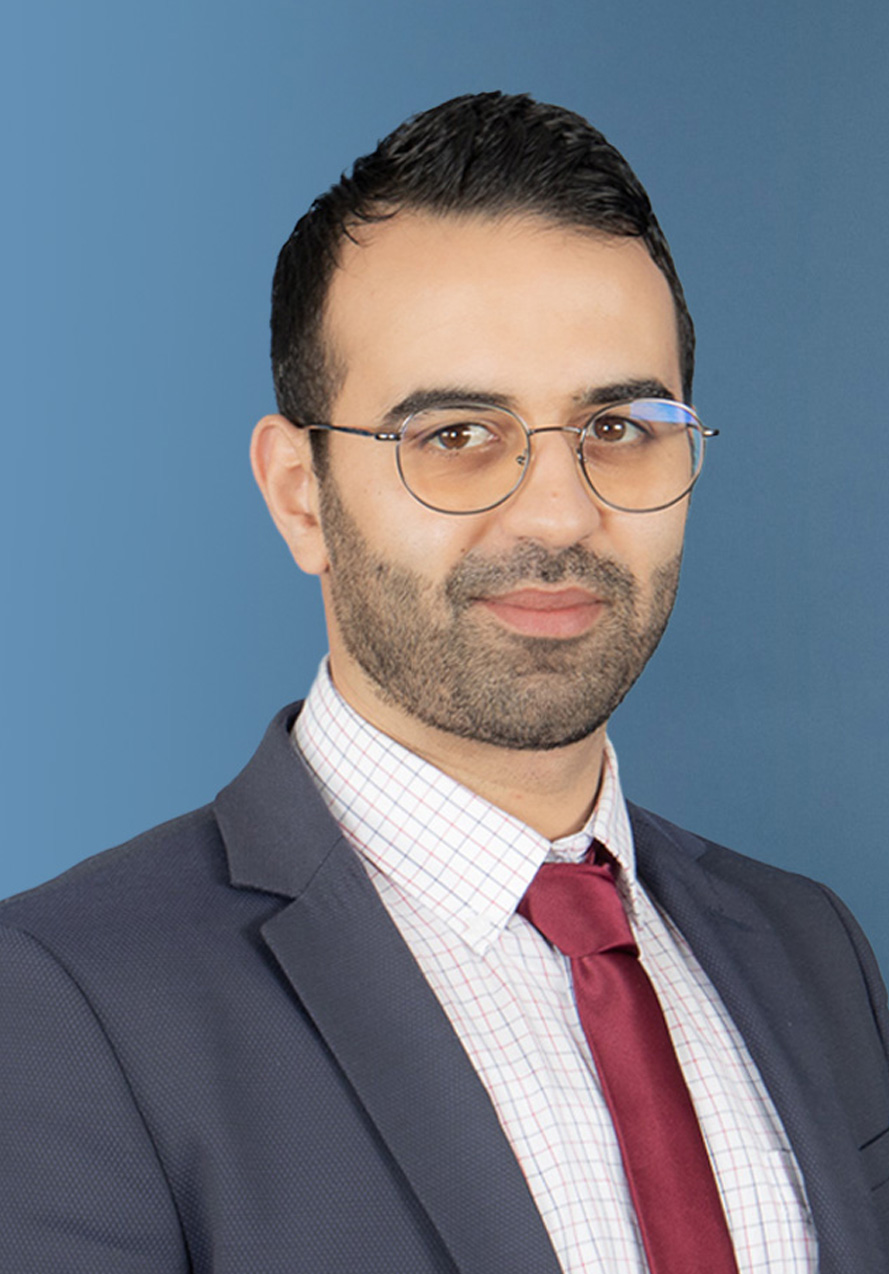
Badr Mandri
Economist
Badr Mandri is an Economist who joined Policy Center for the New South after two years’ experience at the Moroccan national statistics office (HCP, High Commission for Planning). His research activities focus on development macroeconomics especially on fiscal policy and development financing. Badr Mandri holds a master’s degree in applied economics, and is currently a PhD student at Mohamed V University in Rabat; ...

RELATED CONTENT

  • June 4, 2026
    Cet épisode revient sur les principaux enseignements du chapitre consacré au secteur extérieur marocain, en mettant en lumière le paradoxe d’un déficit commercial structurel persistant combiné à une forte résilience des équilibres externes. Badr Mandry explique comment les transferts de...
  • Authors
    Eugène Berg
    May 19, 2026
    L’Organisation pour la coopération et le développement économiques (OCDE), forte de 38 membres, a longtemps fait figure d’Organisation regroupant les « démocraties industrielles développées ». Cette image n’est plus vraie, du fait de l’adhésion en son sein de pays, qualifiés jadis en développement, et que l’on considère souvent comme faisant partie du « Sud global ». C’est ainsi que l’ont intégrée : le Mexique (1994), qui lui a donné un Secrétaire général, Angel Gurria, la Corée du ...
  • April 29, 2026
    Cet épisode revient sur la politique monétaire au Maroc, en soulignant sa capacité à maintenir une inflation faible et stable sur le long terme grâce à un cadre macroéconomique solide. Il met en avant le rôle central des réformes institutionnelles et de la Banque centrale dans le renfor...
  • April 10, 2026
    تتتبع هذه الحلقة التاريخ الاقتصادي للمغرب منذ تهميشه في القرن التاسع عشر تحت ضغط القوى الأوروبية، مرورًا بالثنائية الاستعمارية والتنمية التي قادها الدولة بعد الاستقلال، وصولًا إلى برامج التكيف الهيكلي في الثمانينيات. وقد عززت الإصلاحات الأخيرة مرونة الاقتصاد، مع مساهمة قطاعات الزراعة،...
  • January 29, 2026
    Le Mali, le Burkina Faso et le Niger, réunis au sein de l’Alliance des États du Sahel (AES), affirment l’ambition de bâtir une souveraineté nationale qui leur permettrait de s’émanciper de la domination et des influences extérieures et de se doter d’une liberté d’action dans les choix de développement politique et économique. Cependant, cette ambition se heurte à de nombreuses contraintes économiques et sécuritaires.La souveraineté ne peut se construire sans une base économique soli ...
  • Authors
    January 27, 2026
    This paper revisits Big Push industrialization theory in the context of open economies deeply integrated into global value chains (GVCs). While classical Big Push models emphasize demand complementarities and coordination failures in largely closed economies, many middle-income countries now industrialize through foreign-owned, import-intensive production networks. We develop an extended Big Push framework that incorporates GVC integration and import leakage, and show how these feat ...
  • Authors
    January 23, 2026
    Introduction: COP30 as a Test of Reality, Not AmbitionCOP30 in Belém was never going to be a breakthrough. In a world marked by fiscal exhaustion, geopolitical rivalry, and eroding trust in multilateralism, expecting transformational climate cooperation bordered on denial. The choice of the Amazon as host carried symbolic weight, but symbolism does not override power, interests, or institutional capacity.The outcome of COP30 confirms a deeper truth: the global climate regime has ent ...
  • January 23, 2026
    The post-1945 international order, an architecture born of war-weariness and colonial twilight, is now a majestic but empty shell. Its foundational promise—a universal system of rules administered impartially—has been hollowed out by decades of selective enforcement, instrumentalized law, and a chasm between the rhetorical ideals of its custodians and their geopolitical practice. This is not a temporary dysfunction, but a systemic failure of legitimacy. From the invasion of Iraq und ...
  • January 6, 2026
    La création de l’Alliance des États du Sahel (AES) symbolise une rupture politique et géostratégique majeure, appuyée sur un discours souverainiste et anti-occidental. Deux ans après, Mali, Burkina Faso et Niger peinent à assurer leur intégrité territoriale, à stabiliser leur sécurité intérieure et à bâtir une gouvernance solide. L’intégrité territoriale est un problème commun aux trois États, car dans ces pays, la cohésion de l’État et le contrôle du territoire sont directement men ...