(FR) Development of the ICT sector and the digitalization of Morocco

May 20, 2026

Cette interview revient sur l’évolution des politiques numériques au Maroc, des premières stratégies de libéralisation aux enjeux actuels de transformation digitale. Elle met en lumière les avancées en matière d’e-gouvernement, d’adoption du numérique par les entreprises et de modernisation des services publics, tout en soulignant les limites du cadre réglementaire et les défis liés à l’inclusion numérique. L’échange analysera également l’impact de la transition numérique sur le marché du travail et l’émergence de nouveaux métiers au Maroc.
 

Speakers
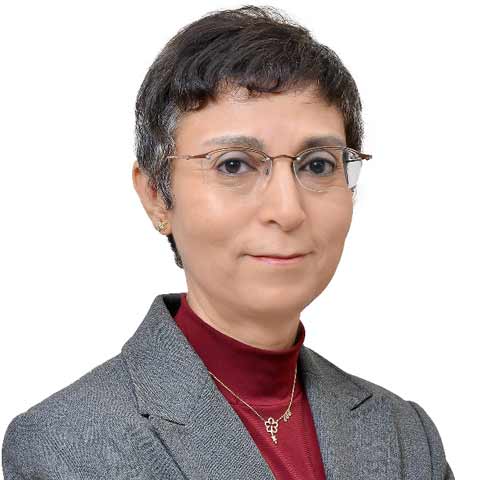
Raja Bensaoud
Independent scholar
Raja Bensaoud is a private law jurist, specializing in business and digital law. Her teaching career leads her to share her knowledge at the Royal College of Higher Military Studies as well as at several institutions of excellence such as Hassan 1st University and ISCAE. Co-founder of the Digital Act Think Tank, she also contributes her expertise to the Legal Commission of the Chambre Française de Commerce et d’Industrie du Maroc (CFCIM). Her executive experience includes roles as ministerial chief of staff, director at Royal Air Maroc, and vice president of Association of Businesswomen of Morocco (AFEM). She has actively participated in several national commissions for legal reform and codification, particularly for the Maritime Code, Free Zone Law, and Ethics of AI. ...
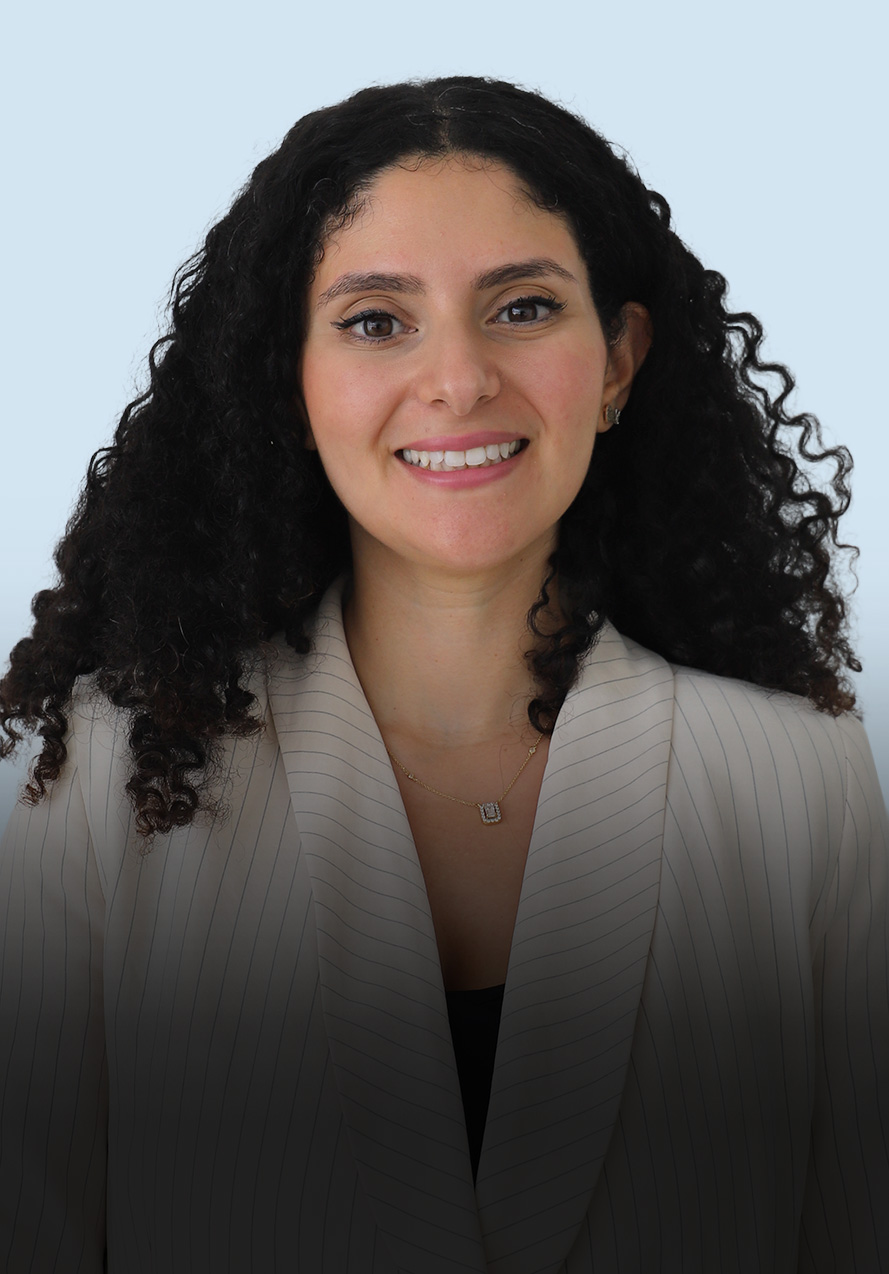
Sabrine Emran
Senior Economist
Sabrine Emran is a Senior Economist at the Policy Center for the New South (PCNS).At the PCNS, Sabrine Emran conducts research on the Energy Transition, Climate Finance, and Critical Minerals, focusing on the energy priorities of developing countries in the context of sustainable development, just energy transition, and global climate commitments.Before joining the PCNS in 2022, Sabrine Emran worked as a Commodities Analyst and Risk Management Consultant, specializing in agricultural and energy commodities as well as foreign exchange risk. She also held a position at Lyxor Asset Management as Request for Proposal and Product Specialist, where she focused on alternative investment asset classes and collaborated closely with institutional investors.Sabrine Emran holds a master’s ...
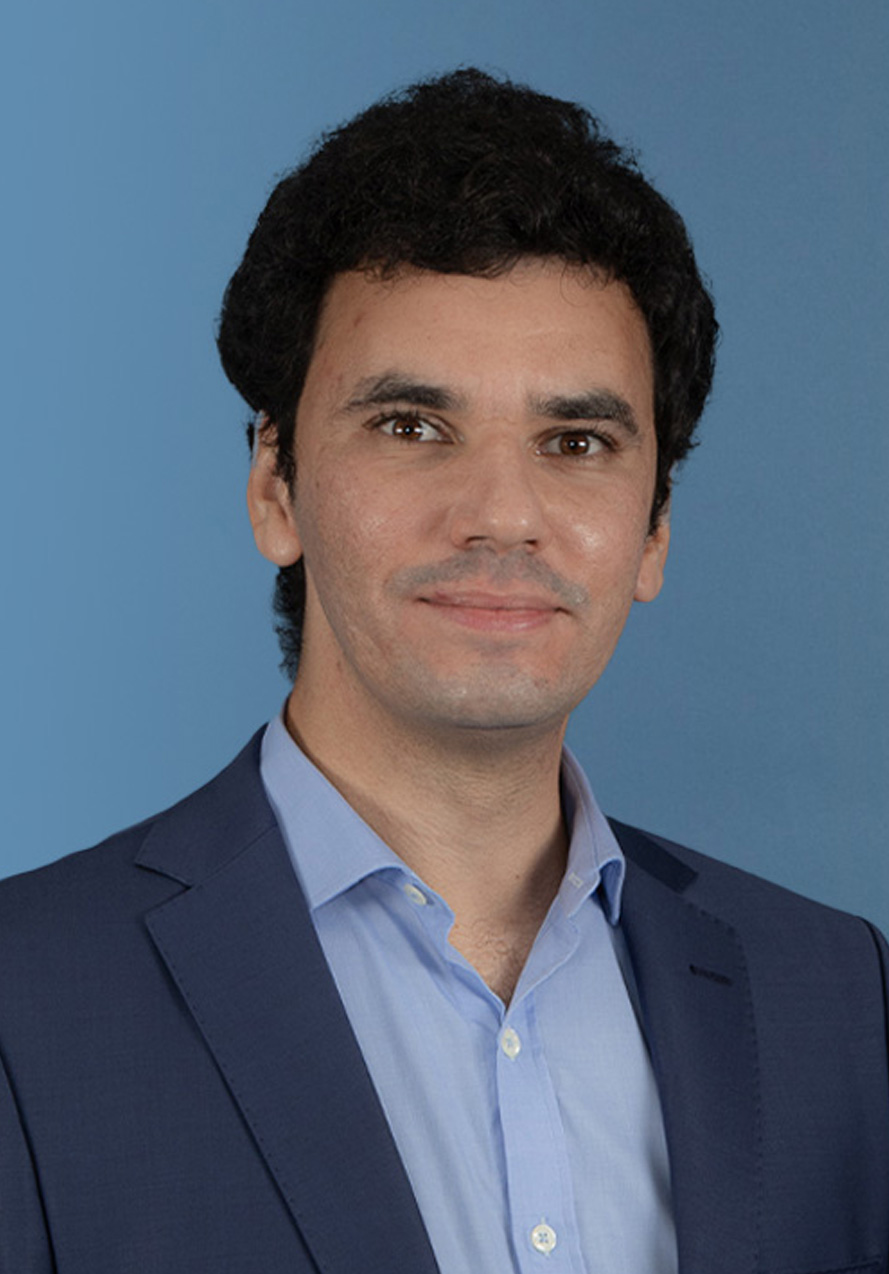
Abdessalam Saad Jaldi
Senior International Relations Specialist
Abdessalam Saad Jaldi is a Senior International Relations Specialist at the Policy Center for the New South (PCNS).He is also an Affiliate Professor of Digital Law and Emerging Technologies at University Mohammed VI Polytechnic (UM6P)At the PCNS, Jaldi conducts research encompassing the Maghreb, the European Union (EU), India, and the evolving landscape of international law, with a particular focus on artificial intelligence (AI) and maritime lawHe notably represented the PCNS as a member of the T20 Brasil task force 6 (TF 06) on “Strengthening Multilateralism and Global Governance”.Abdessalam Saad Jaldi holds a PhD in Law from the University of Strasbourg, as well as two master’s degrees: One in Public and Private International Law from the University of Strasbourg, and anoth ...

RELATED CONTENT

  • August 29, 2023
    In this conversation, Ms. Lina Khatib, the Director of SOAS University's Middle East Institute, delves deep into pressing regional issues. She highlights what policymakers can do to ensure the equitable distribution of economic development benefits and prevent any regression. Khatib als...
  • May 18, 2023
    Le Policy Center for the New South (PCNS) et le Fonds Monétaire International (FMI) ont organisé, le 28 avril, à Rabat, une table ronde d'experts sur le thème "Fighting Inflation and Building Resilience : the Outlook for MENA and Morocco". Au niveau international, la lutte contre l’inflation constitue la principale préoccupation des politiques économiques dans la majorité des pays. La détection des risques inflationnistes a pris du retard après la crise sanitaire parce que les aut ...
  • Authors
    October 18, 2022
     This publication was originally published in the IEMed Mediterranean Yearbook 2022   The informal sector plays a major role in most MENA economies. It employs a large share of the total population and, on average, accounts for about 22% of GDP. According to the International Labour Organization (ILO), which defines informal employment as the proportion of workers without access to social security, the share of informal employment in total employment in MENA countries ra ...
  • Authors
    Alessandro Minuto-Rizzo
    Alessandro Politi
    Claire Spencer
    Abdulaziz Sager
    Mahboub E. Hashem
    Matt Herbert
    Umberto Profazio
    Eman Ragab
    Brahim Oumansour
    Ashraf Mohamed Keshk
    Jean-Loup Samaan
    Ahmad Masa’deh
    Giovanni Romani
    November 11, 2021
    Since its very beginning in 2011, the Middle East and Deep Maghreb have been a fundamental priority for the Foundation. As this year marks the 10th anniversary of the Arab uprisings, our Dossier wants to provide a meaningful understanding of the future dynamics of an area that, despite several positive attempts, is still affected by major instability. Gathering the perspectives of a pool of distinguished regional and international analysts, this publication dives into the socio-econ ...
  • Authors
    Moubarack Lo
    November 28, 2019
    Le préalable et la première démarche d’une bonne évaluation de la marche du Maroc vers l’émergence consistent à bien clarifier ce concept. C’est le seul moyen d’apprécier convenablement, à terme, si le Maroc a atteint ou non l’objectif ainsi désiré. Selon le dictionnaire Le Robert, « émerger » se dit d’un phénomène « qui s’impose à l’attention par sa valeur ». Subséquemment, on peut considérer qu’un pays, anciennement pauvre, émerge lorsqu’il suscite l’intérêt et se démarque de la m ...
  • Authors
    Karim EL Mokri
    October 13, 2016
    Le Maroc est actuellement plus que jamais menacé par le piège des économies à revenu intermédiaire. Il se retrouve pris entre, d'une part, la concurrence accrue exercée par des pays à faible revenu sur les secteurs à faible productivité et intensifs en main d'œuvre et, d'autre part, la difficulté d'accélérer son rythme de transformation structurelle vers des activités à plus forte valeur ajoutée et à contenu technologique plus élevé. L'expérience internationale nous montre que rares ...