Collaboration and ESG language to unlock funding for sustainable infrastructure projects

September 5, 2023

Developing countries face many challenges in mobilising private sector investment for sustainable infrastructure projects. Solutions include international cooperation and common environmental, social and governance (ESG) taxonomies. To close the climate finance gap, we need additional private investment especially in low- and middle-income countries.

To serve this purpose, Multilateral development banks (MDBs) are encouraged to expand their support for sustainable infrastructure projects and increase their risk appetite. Furthermore, collaboration among G20 public development banks (PDBs) is encouraged to leverage their strengths and promote transformative impact.

A common ESG language will also help standardise assessments of sustainable investments, reduce greenwashing and attract specialised capital. The G20 is called upon to strengthen institutional networks among developing countries, to strengthen the PDBs, and to create a universal ESG taxonomy for sustainable finance.

Ultimately, the recommendations in this paper aim to contribute to a more sustainable global economy by fostering cooperation, reducing investment risks, and accelerating the flow of funds to sustainable infrastructure projects.

Speakers
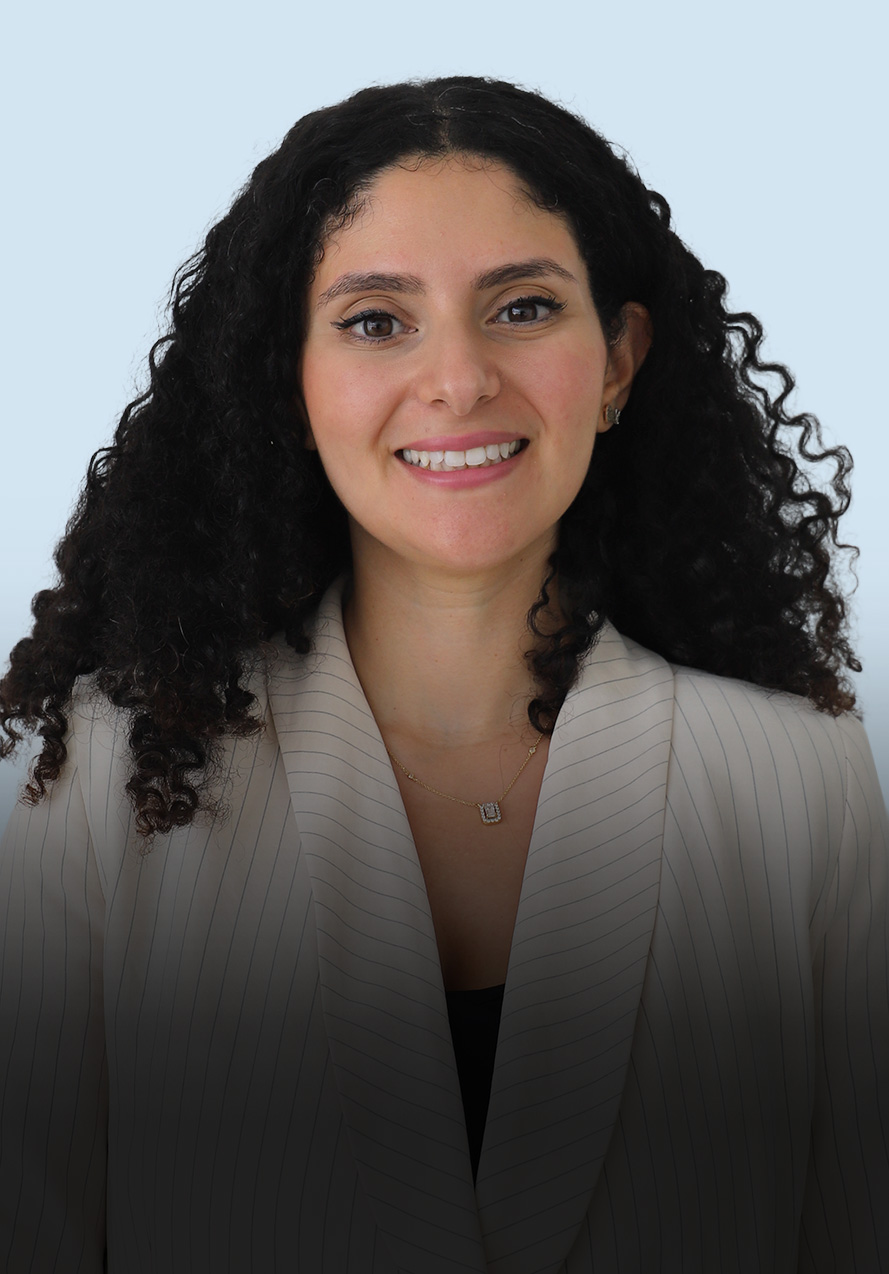
Sabrine Emran
Senior Economist
Sabrine Emran is a Senior Economist at the Policy Center for the New South (PCNS).At the PCNS, Sabrine Emran conducts research on the Energy Transition, Climate Finance, and Critical Minerals, focusing on the energy priorities of developing countries in the context of sustainable development, just energy transition, and global climate commitments.Before joining the PCNS in 2022, Sabrine Emran worked as a Commodities Analyst and Risk Management Consultant, specializing in agricultural and energy commodities as well as foreign exchange risk. She also held a position at Lyxor Asset Management as Request for Proposal and Product Specialist, where she focused on alternative investment asset classes and collaborated closely with institutional investors.Sabrine Emran holds a master’s ...

RELATED CONTENT

  • May 21, 2018
    Le partenariat Afrique Europe fait son chemin depuis l'adoption de la stratégie commune Afrique-UE et la négociation complexe des Accords de Partenariat Economiques. L’évaluation des volets commercial, financier et humain de ces relations multidimensionnelles fait ressortir la persistance de grands déséquilibres dans les échanges commerciaux de biens et services, des tensions dans la gestion de la mobilité humaine et des dysfonctionnements dans les mécanismes institutionnels de part ...
  • Authors
    May 21, 2018
    The main message of this paper is that our world is undergoing a profound transformation in multiple aspects. These, at a minimum, include the following: - the degree and manner of our acceptance of or opposition to increased integration as trading nations - the constantly evolving technologies we use, the way we work, play and interact as social groups and entire societies - the very climate that conditions our living environment. ...
  • May 15, 2018
    Les réponses de l’expert John Seaman aux questions que nous lui avons posées, permettent de mieux cerner la réalité des investissements chinois en Europe. Ceci en évoquant les craintes qu ...
  • Authors
    May 15, 2018
    Technology and inequality, China's special status, macroeconomic imbalances, and WTO dysfunction, are the challenges confronted by the world trading system, and which lie at the root of resurgent protectionism. Are the trade tensions that have been stoked by Trump unique to him or the outcome of forces that preceded him and will outlast him? ...
  • May 15, 2018
    Dans ce Podcast, nous avons sollicité l’avis de Mr. John Seaman, chercheur à l’Institut Français des Relations Internationales (IFRI), sur les investissements chinois en Europe. Les oppor ...
  • Authors
    May 10, 2018
    The April issue of the IMF’s “World Economic Outlook (WEO)” included a chapter on how globalization has helped knowledge from technology leaders spread faster than before. Cross-border technological diffusion has not only contributed to rising domestic productivity levels in advanced and emerging economies, but also facilitated a partial reshaping of the technological innovation landscape, with some recipients becoming new significant sources of research and development (R&D) an ...
  • Authors
    May 10, 2018
    These days, the word "crisis" is gaining a new urgency around the globe… Crisis of humanity, of water, hunger, poverty, climate. Crisis of war, destruction, terrorism. And a crisis of thought, intellectual exchange, theories transfered into reality. And a crisis of think tanks, eventually, although their work matters, since it sends signals, offers proposals and applicable solutions.  In that context, Olusegun Obasanjo, former President of Nigeria and Board member of the ...
  • May 10, 2018
    According to the global consulting firm McKinsey and Company, one out of our workers worldwide may be African by 2030. The global center for gravity of labor-intensive manufacturing is ex ...
  • Authors
    Mokhtar Ghailani
    May 2, 2018
    La conférence-débat, organisée par l’OCP Policy Center, en association avec Sciences Po Paris Alumni Maroc (AMASP), le 26 avril 2018, autour du livre « Les enjeux du marché du travail au Maroc », et co-dirigé par Karim el Aynaoui et Aomar Ibourk, ne pouvait mieux tomber.  Le  pavé, de quelques 450 pages, bien structuré et fourni en données et en analyses « différenciées mais complémentaires » développées par une brochette d’experts et d’analystes, intervient dan ...