التنمية المالية وتأثيرها على تنويع الاقتصاد في دول مجلس التعاون الخليجي

January 20, 2025

في هذه الحلقة، تم استعراض التحديات التي واجهت التنمية المالية في دول الخليج وكيفية التغلب عليها. كما تم مناقشة دور المؤسسات المالية في تعزيز تنويع الاقتصاد في دول مجلس التعاون الخليجي، بالإضافة إلى طرق تحسين البنية التحتية المالية لدعم الاقتصاد غير النفطي. استضافت الحلقة إسلام عبد الباري، أستاذ مشارك في الاقتصاد ووكيل الكلية للدراسات العليا والبحث العلمي في الأكاديمية العربية، الذي قدم رؤى حول كيفية دعم هذه الدول للاقتصاد غير النفطي من خلال تطوير مؤسساتها المالية

Speakers
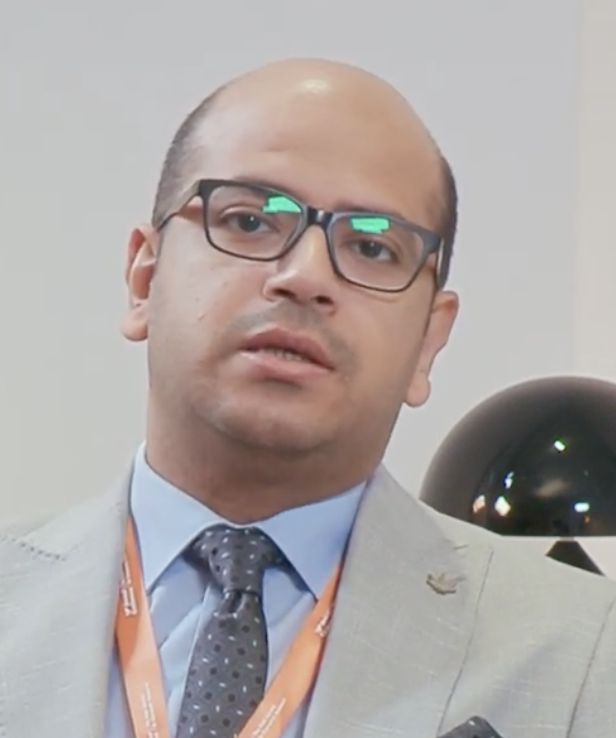
اسلام عبد الباريء
أستاذ مشارك في الاقتصاد وكيل الكلية للدراسات العليا والبحث العلمي - الأكاديمية العربية
...

RELATED CONTENT

  • May 12, 2026
    Why only globally connected, knowledge-intensive services — not local services — can drive long-term development and productivity growth. This Commentary was originally published on stimson.org For decades, manufacturing was considered the indispensable engine of economic development, creating jobs, boosting productivity, and integrating countries into global markets. But automation, robotics, and intensifying global competition have made industrialization far harder for d ...
  • May 12, 2026
    Cet épisode analyse le poids du secteur informel dans l’économie marocaine et ses principaux défis. Les intervenants expliquent que l’informel constitue à la fois un mécanisme de survie pour une grande partie de la population et un frein à la productivité, à la fiscalité et à la protect...
  • Authors
    Liel Maghen
    May 11, 2026
    This Paper was originally published on mitvim.org.il This paper argues that the reconstruction of Gaza will depend not only on the amount of funding mobilized, but on how financing is structured, governed, and anchored within a broader politi`cal context. In a setting shaped by movement restrictions and weak institutions, financial design is not neutral but shapes priorities, distributes power, and determines what can be implemented on the ground. The paper examines the key cha ...
  • Authors
    Hajar Kabbach
    May 11, 2026
    Closing Morocco's gender employment gap could increase GDP per capita by 40-50 percent; yet female labor force participation stands at just 19 percent—among the lowest in the world and still declining. This policy paper argues that investing in the care economy is not merely a social expenditure, but a productive economic strategy with measurable returns. Drawing on international evidence from Uruguay, Mexico, Colombia, and India, the brief demonstrates that well-designed care syste ...
  • May 7, 2026
    Le rapport de diagnostic du secteur privé au Maroc met en lumière les principaux défis qui freinent encore l’investissement privé et la création d’emplois, malgré les avancées réalisées en matière de stabilité macroéconomique, d’infrastructures et de réformes. Il identifie notamment la ...
  • May 6, 2026
    Dans cette interview, l’évolution de la politique industrielle marocaine est analysée : planification étatique (1960–1980), libéralisation (1980–1990), puis intégration dans les chaînes de valeur mondiales (à partir des années 2000). Aujourd’hui, face au protectionnisme et au nearshorin...
  • May 5, 2026
    Présentation du rapport « Croissance et emploi au Maroc » par Javier Diaz Cassou, Économiste Senior à la Banque mondiale, qui analyse les dynamiques de croissance de l’économie marocaine et leur impact sur la création d’emplois. Le rapport met en évidence les principaux moteurs de la cr...
  • April 30, 2026
    يشهد المغرب تحولًا سريعًا في صناعة السيارات الكهربائية، مدفوعًا باستثمارات كبيرة وطموح للانتقال من مجرد منصة تركيب إلى فاعل صناعي متكامل. وبين فرص بناء صناعة بطاريات محلية وخلق وظائف جديدة، تبرز أيضًا تحديات مرتبطة بنقل التكنولوجيا، والتشغيل، والاستدامة. في هذه الحلقة، نفكك هذا التحول و...