Dialogues Stratégiques 10ème édition - Session I : Les Rivalités de Puissance en Afrique

May 4, 2021

-Depuis 2016, le Policy Center for the New South et le Centre HEC de Géopolitique organisent chaque année deux éditions des « Dialogues Stratégiques ». Cette plateforme d’analyse et d’échange réunit des experts, des chercheurs provenant de différents think-tanks et du monde académique, des praticiens, ainsi que des décideurs politiques pour débattre des grandes questions géopolitiques et sécuritaires à l’échelle internationale, ainsi que des problématiques d’importance commune à la fois pour l’Europe et l’Afrique. Le cycle de séminaires a pour vocation d’offrir un environnement orienté vers les politiques publiques « policy-oriented », où les panélistes se réunissent dans un cadre interactif et constructif pour confronter et enrichir leurs analyses respectives. Cette collaboration est issue du partenariat tissé entre les deux centres de réflexion, en vue de favoriser le dialogue scientifique et multidisciplinaire et de contribuer à la production d’analyses pertinentes sur des problématiques majeures. Dans la perspective de partager les fruits des échanges menés lors des séminaires avec les participants et les parties prenantes intéressées, les discussions et échanges font l’objet de « Policy Papers » qui sont regroupés au sein d’une publication conjointe. Format Les Dialogues Stratégiques sont des séminaires s’étalant sur une journée entière lors desquels décideurs et experts échangent avec une audience de chercheurs établis et de praticiens autour d’une question portant sur un enjeu global et une problématique d’intérêt régional. Cette dixième édition des Dialogues Stratégiques se tiendra le 04 Mai 2021 et s’insère dans la continuité de la collaboration fructueuse entre les deux centres. Les discussions porteront sur : 1) Les Rivalités de Puissance en Afrique et 2) L’Afrique face au Terrorisme. Brief Session 1 : Les Rivalités de Puissance en Afrique Les rivalités de puissance constituent l'un des éléments les plus importants de la politique mondiale. Si les études sur les guerres, les crises et les différends sont courantes sur la scène internationale, l’appréhension des événements violents a pris du temps à refléter qu’il s’agit en effet d’un résultat de relations conflictuelles prolongées. Plutôt que de se concentrer uniquement sur les querelles interétatiques, il serait judicieux d’examiner leurs antécédents et considérer les rivalités comme des processus continus. La rivalité des grandes puissances, combinée aux clivages régionaux déjà existants, pourrait avoir une incidence négative sur la stabilité du continent. De plus, avec la situation politique et économique actuelle amplifiée par les effets du COVID-19, les rivalités entre grandes puissances peuvent ralentir à court terme, mais à plus long terme, la compétition entre les États-Unis, la Chine et la Russie pourrait s'intensifier étant donné la rhétorique conflictuelle de ces puissances et les tendances nationalistes amplifiées par la pandémie. 08h45 –09h00 Mots d’ouverture Karim El Aynaoui, Président Exécutif, Policy Center for the New South Pascal Chaigneau, Directeur du Centre HEC de Géopolitique 09h00 –10h30 Session I : Les Rivalités de Puissance en Afrique Panel 1 - Géopolitique des rivalités de puissance en Afrique : Intérêts et Priorités Modératrice: Nouzha Chekrouni, Senior Fellow, Policy Center for the New South Intervenants: - Les Stratégies de puissances en Afrique (15 min) Pascal Chaigneau, Directeur du Centre HEC de Géopolitique - Quand le Moyen Orient s’invite en Afrique (15 min) Khalid Chegraoui, Senior Fellow, Policy Center for the New South - Le retour de la Russie sur le champ africain (15 min) Ambassadeur Eugène Berg, Chercheur, Centre HEC de Géopolitique - La politique africaine de Narendra Modi (15 min) Rodolphe Monnet, Expert Inde du Centre HEC de Géopolitique Discussion (30 min) 10h30 –12h00 Panel 2 - Entre puissances émergentes et puissances traditionnelles : Quel rapport de force entre les acteurs internationaux en Afrique ? Modérateur: Pascal Chaigneau, Directeur du Centre HEC de Géopolitique Intervenants: - Le Soft Power Indien à la conquête de l’Afrique (15 min) Mohammed Loulichki, Senior Fellow, Policy Center for the New South - La nouvelle physionomie de la stratégie chinoise en Afrique (15 min) Jacques Gravereau, Président d'Honneur, HEC Eurasia Institute - Le rôle de la Turquie en Afrique (15 min) Larabi Jaidi, Senior Fellow, Policy Center for the New South - L'équipe et la vision africanistes du Président Biden (15 min) Jérémy Ghez, Chercheur, Centre HEC de Géopolitique Discussion (30 min)
Speakers
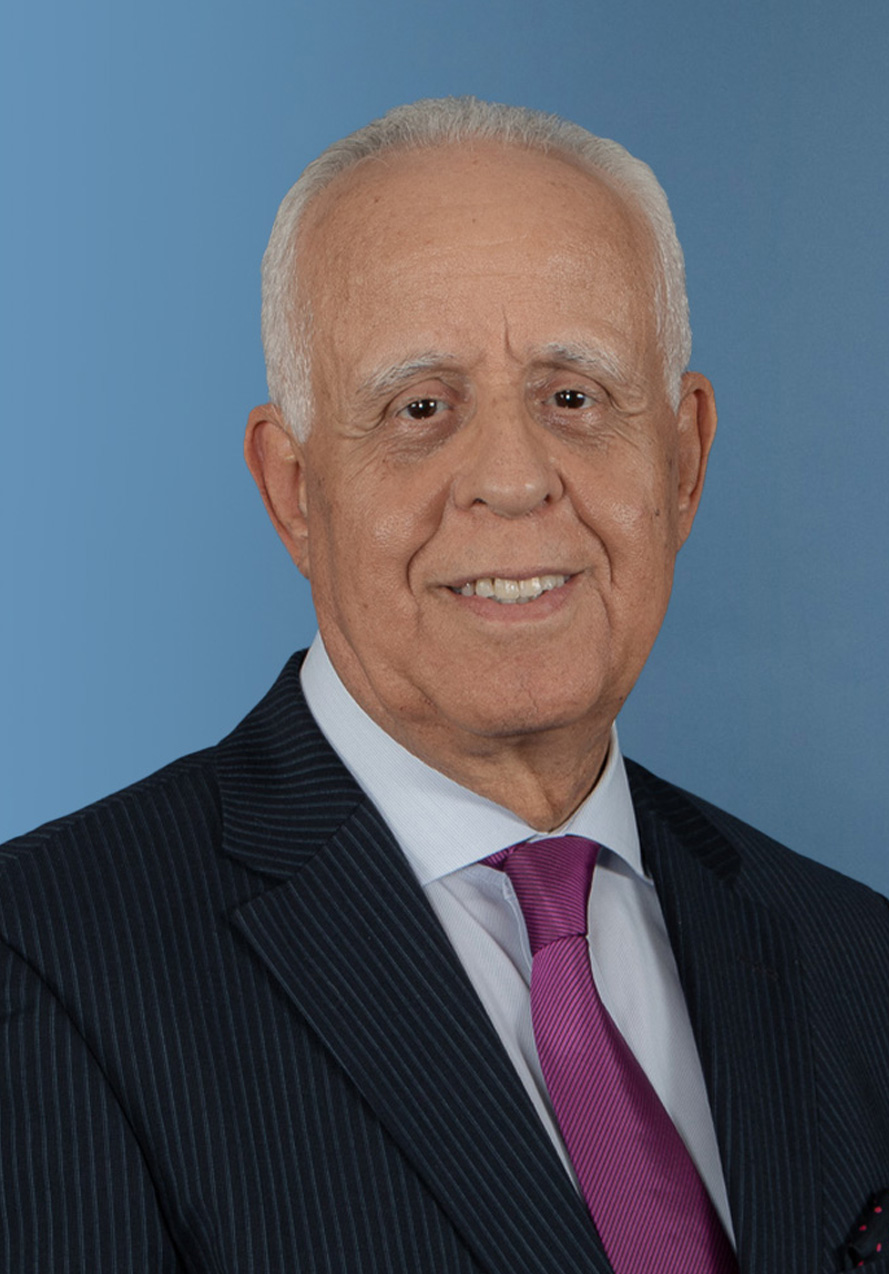
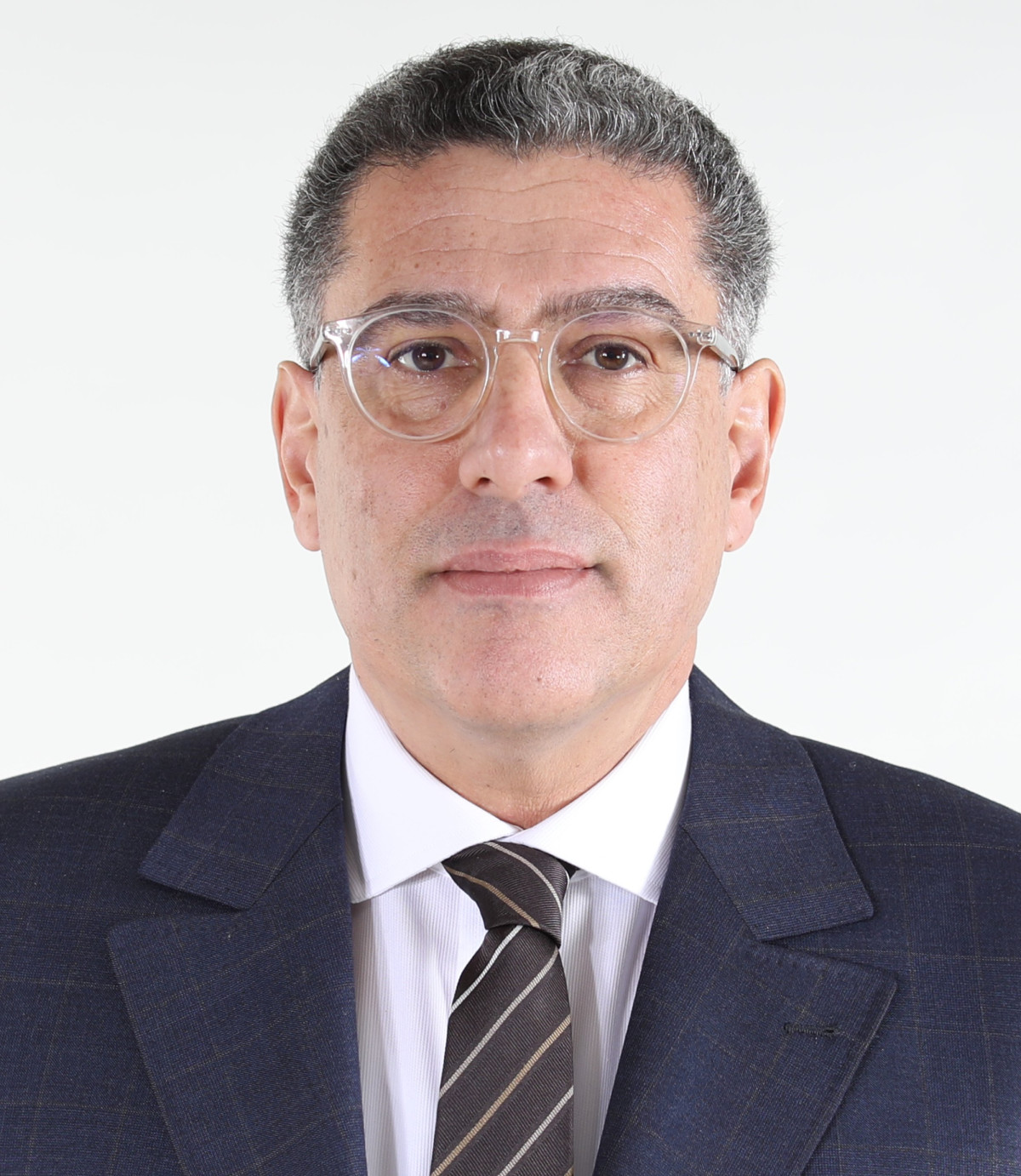
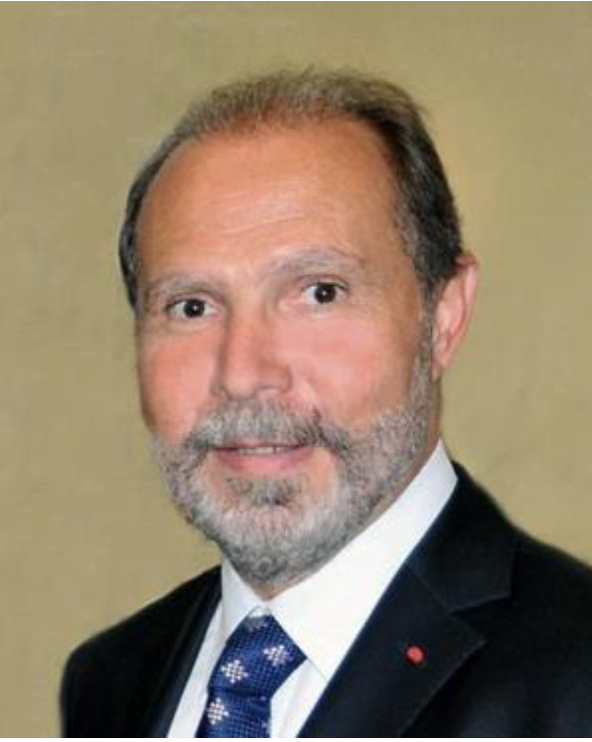
Karim El Aynaoui
Executive President
Karim El Aynaoui is Executive President of the Policy Center for the New South. He is also Executive Vice-President of Mohammed VI Polytechnic University and Dean of its Humanities, Economics and Social Sciences Cluster.  From 2005 to 2012, he worked at the Central Bank of Morocco (Bank Al-Maghrib) as Director of Economics, Statistics, and International Relations. He also created and headed the Research Department and served as a member of the Governor’s Cabinet. Previously, he worked for eight years at the World Bank as an economist for its regional units of the Middle East and North Africa and Africa. Karim El Aynaoui has published books and journal articles on macroeconomic and structural issues in developing countries. Recently, he co-edited a book entitled ...
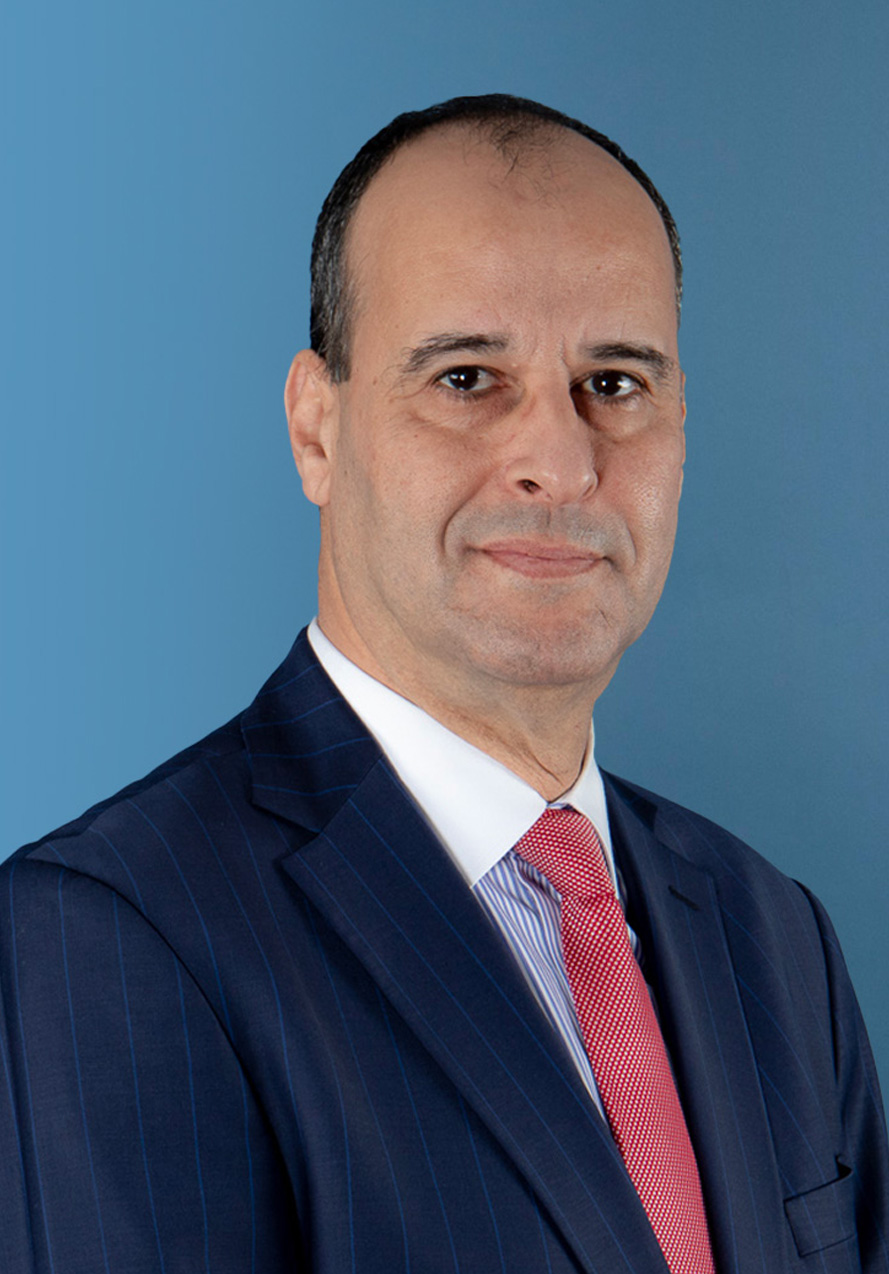
Pascal Chaigneau
Directeur du Centre HEC de Géopolitique
Professeur des Universités (classe exceptionnelle), Pascal Chaigneau est responsable du département de science politique de l’Université Paris V Sorbonne Paris Cité. A l’Ecole HEC, il est directeur scientifique du double diplôme HEC-Sciences Po, directeur de la Prep ENA et responsable du programme Business environment de l’executive MBA. Directeur de séminaire à l’Ecole de Guerre, il est expert relations internationales de la Marine Nationale et Directeur de la Chaire de Géopolitique de la Gendarmerie Nationale. Il a créé le Centre d’Etudes Diplomatiques et Stratégiques doté du statut consultatif auprès des Nations Unies. Avocat spécialiste en droit international, il est conseiller du commerce extérieur de la France et a été pendant dix ans administrateur de Radio France Inter ...
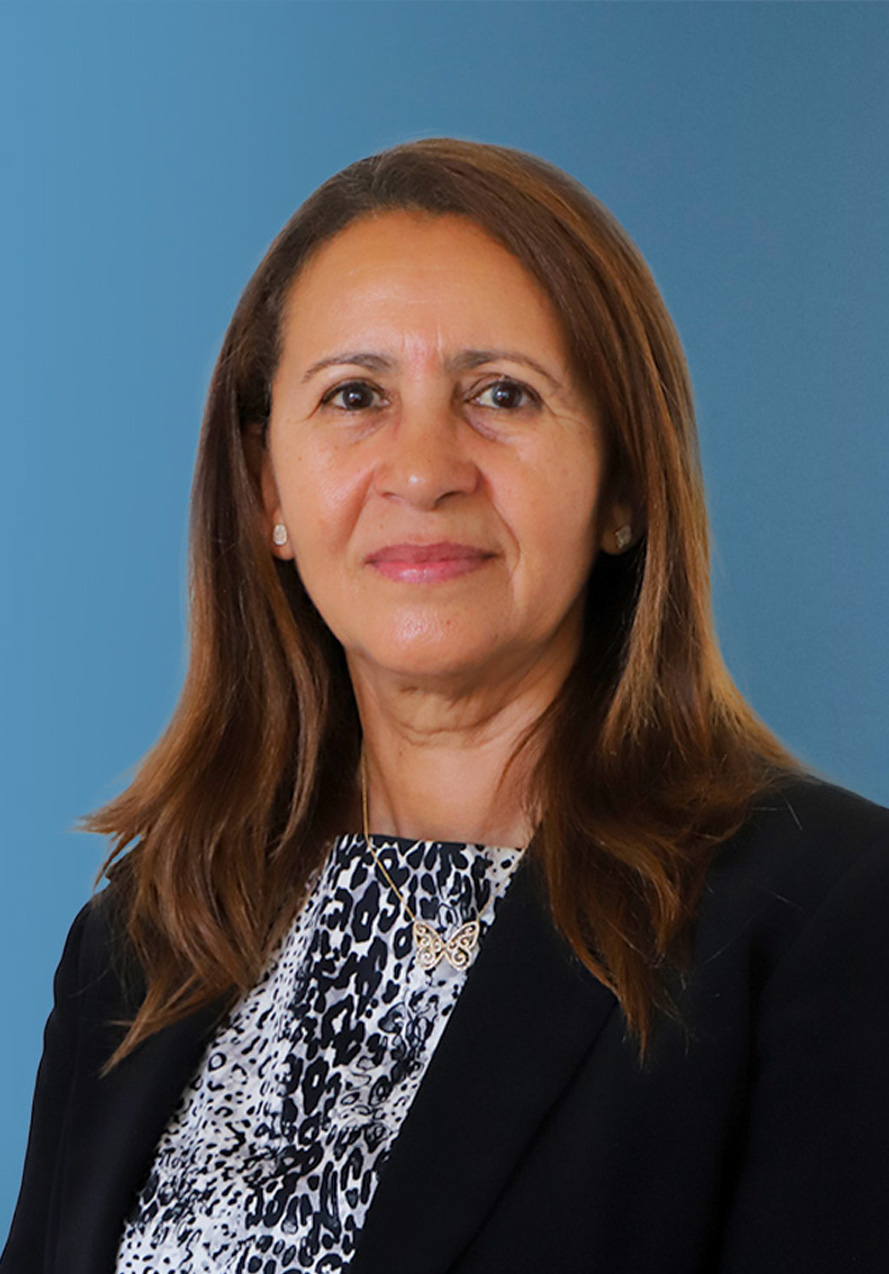
Nouzha Chekrouni
Senior Fellow
Dr. Nouzha Chekrouni is a Senior Fellow at the Policy Center for the New South. She has extensive experience in academia, diplomacy and political leadership.  She has served as His Majesty’s Ambassador to Canada (2009-2016), and Dean of the Council of Arab League Ambassadors to Canada (2015-2016). Dr. Chekrouni was Minister for the Moroccan Community Living Abroad (2002-2007), a Member of Parliament (2002-2007), and the Minister for Women and Social Issues (1998-2002). She holds a Bachelor Degree from the Philological Faculty at the University of Fez, a Post-Graduate Diploma and a PhD in Linguistics from the Université Sorbonne Nouvelle in Paris. Dr. Chekrouni has also completed a Certificate in Ethics and International Relations at Harvard University. She is a 2016 Sen ...
Khalid Chegraoui
Senior Fellow
Khalid Chegraoui is Senior Fellow at the Policy Center for the New South and Vice Dean of Political Sciences and International Relations at the Faculty of Governance, Economic and Social Sciences of the Mohammed VI University.  He began his teaching and research career in 1992 as a Research Assistant Professor at Sidi Mohammed Ben Abdallah University in Fez after earning his first doctorate in African Studies from the Mohammed V University in Rabat focusing on West Sub-Saharan Africa. He also earned a Doctorate of State in African Studies from the same University in 2002, where he focused on Contemporary West Africa, in 2003 he became Professor of History and Political Anthropology at the Institute of African Studies, Mohammed V University, consultant on African and Midd ...
Mohammed Loulichki
Senior Fellow
Mohammed Loulichki is a Senior Fellow at the Policy Center for the New South and an Affiliate Professor at Mohammed VI Polytechnic University. He brings over 40 years of comprehensive experience in diplomacy, conflict resolution, and human rights. He has served in various roles including as a member and Deputy Head of the Moroccan delegation to the 3rd Conference on the Law of the Sea (1982-1990), Head of the Department of Legal Affairs and Treaties at the Ministry of Foreign Affairs (1988-1991), and General Director for Multilateral Affairs in the same ministry (2003-2006).   He also acted as Morocco's Ambassador to Hungary, Bosnia-Herzegovina, and Croatia (1995-1999), and was the Moroccan Government's Ambassador Coordinator with MINURSO (1999-2001). Furthermore, he se ...
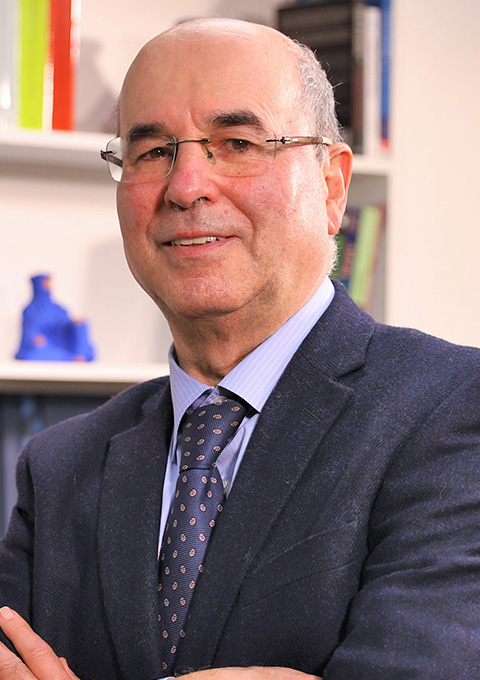
Larabi Jaïdi
Senior Fellow
Larabi Jaïdi is a Senior Fellow at the Policy Center for the New South and an Affiliate Professor at Mohammed VI Polytechnic University. His areas of expertise include international economy, economic policies, international economic relations, regional economies, social development, international relations, and Mediterranean studies. He also served on the Special Commission on the New Development Model of Morocco, a consultative body created in November 2019 to formulate the country's new developmental guidelines. Jaïdi is a former Professor at Mohamed V University in Rabat-Agdal and a founding member of both the Centre Marocain de Conjoncture and the Groupement d’Etudes et de Recherches sur la Méditerranée.   Prof. Jaïdi previously served as Advisor to the Prime Minist ...

RELATED CONTENT

  • October 15, 2026
    The Policy Center for the New South, in partnership with The Asian Network, is organizing a webinar titled “Emerging Powers and the Remaking of Global Order” to examine the growing role of emerging powers and the Global South at a time of profound transformation in the international sys...
  • October 14, 2026
    في ظل التوترات الجيوسياسية المتصاعدة، تتغير طرق التجارة العالمية وتتبدل معها موازين الممرات الاستراتيجية. تفتح هذه الحلقة من «حديث الثلاثاء» النقاش حول التقاء المسارات البحرية والبرية داخل هذه الممرات، والعوامل التي تتحكم في طبيعة السلع التي تعبرها. وتبحث كذلك في ما يمكن للمغرب أن يجنيه...
  • Authors
    Florent Parmentier
    October 12, 2026
    Cet article soutient que le Chief Geopolitical Officer (CGO) doit être repensé à partir de l’expérience des entreprises africaines. Dans un environnement multipolaire et fragmenté, leur principal défi n’est pas seulement la gestion des risques, mais la préservation de plusieurs options stratégiques simultanément selon une logique de hedging. Trois modèles de CGO sont à distinguer : l’intermédiation (Office chérifien des Phosphates (OCP), Tanger Med), l’intégration régionale (Ethiopi ...
  • Authors
    Paul Isbell
    October 9, 2026
    In the first seven Policy Briefs of this ongoing series of analysis on Pan-Atlanticism: The Atlantic Basin in a Multipolar-Transnational World, we developed the argument that the strategic significance of the Atlantic Basin is on the rise for a range of international actors (states, regions and non-state agents) and from distinct political or ideological perspectives. In addition, in the most recently published Policy Brief -- “The U.S. and the Current International Reconfiguration: ...
  • Authors
    Lina Jaoid
    October 8, 2026
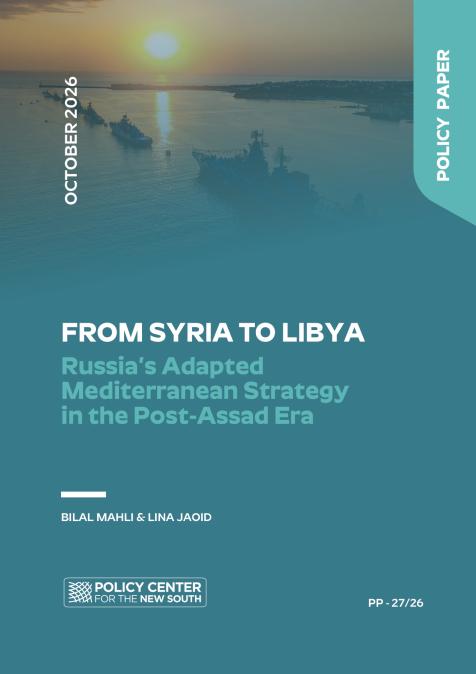
    In the two years since the fall of Bashar al-Assad in Syria, Russia has restructured its Mediterranean presence. Although Russia’s limited and increasingly conditional access to the Khmeimim and Tartus facilities in Syria has been preserved, its presence in the country has morphed from Assad’s ‘patron-client’ configuration to a more negotiated engagement. Simultaneously, Russia has upgraded its force-projection and logistical infrastructure in eastern Libya, giving it an access path ...
  • Authors
    Marie-Noelle Nwokolo
    October 6, 2026
    The author of this opinion, Marie-Noelle Nwokolo, is a 2024 alumna of the Atlantic Dialogues Emerging Leaders Program.In September 1978, delegations from 138 countries gathered in Buenos Aires, Argentina, around a powerful idea: developing countries had knowledge, experience and capabilities worth sharing with one another. The Buenos Aires Plan of Action gave institutional form to what we now call South-South Cooperation, part of a wider post-colonial effort by developing ...
  • September 28, 2026
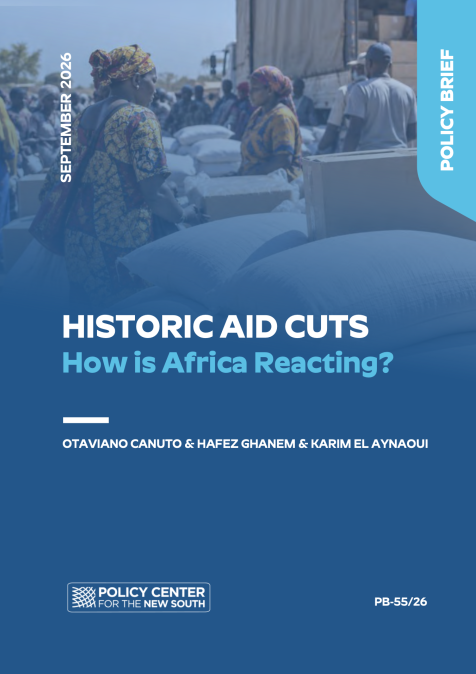
    This paper was initially published in French on the website of the Fondation Jean-Jaurès. There was a historic decline in Official Development Assistance (ODA) in 2025. Foreign aid to developing countries from members of the OECD-DAC fell by some 23%, the largest decline on record and the second consecutive annual decline. Aid to Africa fell by more than 25%. The International Monetary Fund (IMF) described this decline in ODA to Africa as “a shock like no other.” It differ ...
  • Authors
    Marianna Albuquerque
    September 23, 2026
    The author of this opinion, Marianna Albuquerque, is a 2022 alumna of the Atlantic Dialogues Emerging Leaders Program.As world leaders gather in New York for the 81st United Nations General Assembly, climate change returns to the center of multilateral diplomacy under markedly different circumstances. The debate is no longer confined to whether the world must decarbonize, but increasingly centers on how the transition will happen, who will bear its costs, who will capture ...