Publications /
Research Paper

Back
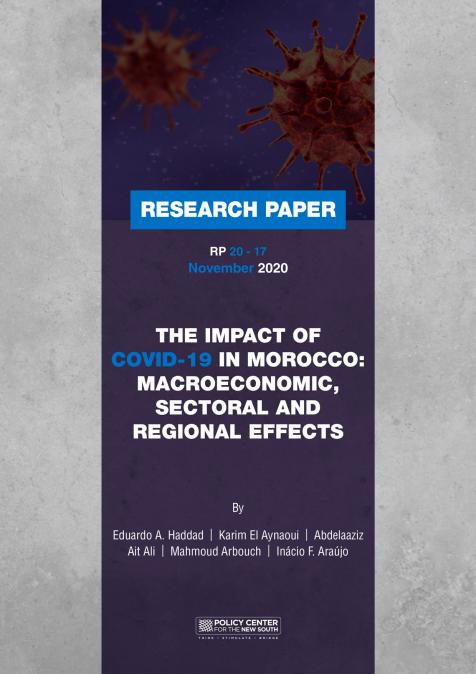
The Impact Of Covid-19 In Morocco: Macroeconomic, Sectoral And Regional Effects
December 16, 2020

The COVID-19 pandemic has hit the Moroccan economy hard, as elsewhere in the world. A collapse in external demand and a lockdown lasting more than three months have profoundly altered economic activity in Morocco, causing its first recession since 1995. The implementation of the confinement and social distancing measures was strict and came two weeks after the detection of the first cases of COVID-19 in Morocco on March 2, 2020. The lockdown was extended three times and lasted around 14 weeks. This strategy prevented a sharp increase in cases in the early part of the pandemic, and enabled the preparation of health infrastructure to deal with potentially more severe waves of contamination. However, the price was the consequent economic downturn. What are the daily economic costs of the control measures adopted in the country to prevent the spread of COVID-19? What are the impacts of mitigation measures implemented by the central government? How do flexibility measures affect the economic recovery? This study quantifies the regional and sectoral economic impacts of preventive measures related to the coronavirus pandemic in Morocco.

RELATED CONTENT

  • Authors
    Ian Lesser
    November 18, 2013
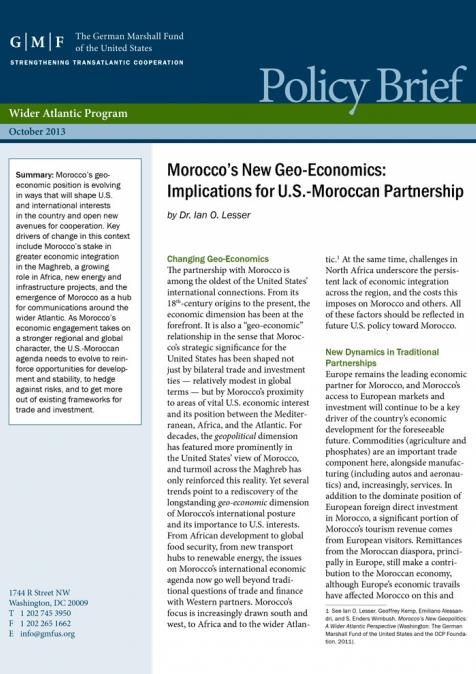
    This policy brief argues for a closer relationship between Morocco and the United States. Morocco’s geo-economic position is evolving in ways that will shape U.S. and international interests in the country and open new avenues for cooperation. Key drivers of change in this context include Morocco’s stake in greater economic integration in the Maghreb, a growing role in Africa, new energy and infrastructure projects, and the emergence of Morocco as a hub for communications around th ...
  • From

    02
    5:30 pm June 2026
    تقدّم هذه الحلقة قراءة حليلية لتطور السياسة النقدية في المغرب في سياق دولي يتسم بارتفاع معدلات التضخم وتزايد التقلبات الاقتصادية والجيوسياسية. وتهدف إلى تسليط الضوء على دور بنك المغرب في إدارة التوازنات الاقتصادية الكبرى، من خلال أدواته النقدية الرامية إلى كبح التضخم، ودعم النمو الاقتصادي، والحفاظ على استقرار سعر الصرف، وضمان تمويل سليم للاقتصاد الوطني. كما تناقش هذه الحلقة مدى نجاح قرارات بنك المغرب في تحقيق التوازن بين محاربة التضخم وتشجيع الاستثمار، إلى جانب أبرز التحديات الراهنة المرتبطة بارتفاع الأسعار، وتغيرات سوق الشغل، وتقلبات الاقتصاد العالمي. وفي الأخير، تستشرف هذه الحلقة التوجهات المستقبلية الممكنة للسياسة النقدية في المغرب من أجل تعزيز صلابة الاقتصاد الوطني، ودعم المقاولات، والحفاظ على الاستقرار المالي خلال السنوات المقبلة.  ...