OTT Conference 2026: Conversation With Erica Schoder & Héctor Cárdenas

June 22, 2026

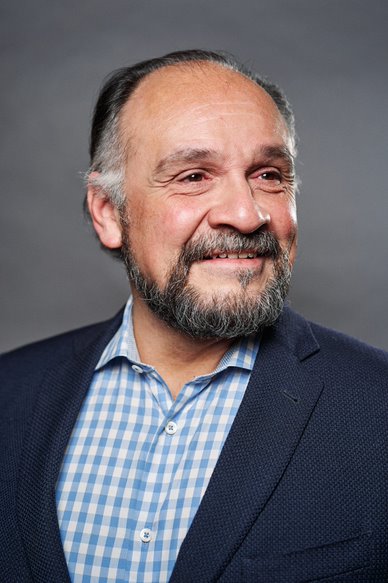
What does it take for think tanks to stay trusted, relevant, and heard in a world that's increasingly sceptical of institutions? At the Policy Center for the New South we put that question to keynote speakers Erica Schoder and Héctor Cárdenas on the sidelines of the OTT Conference 2026 in Rabat, Morocco.
 

Speakers
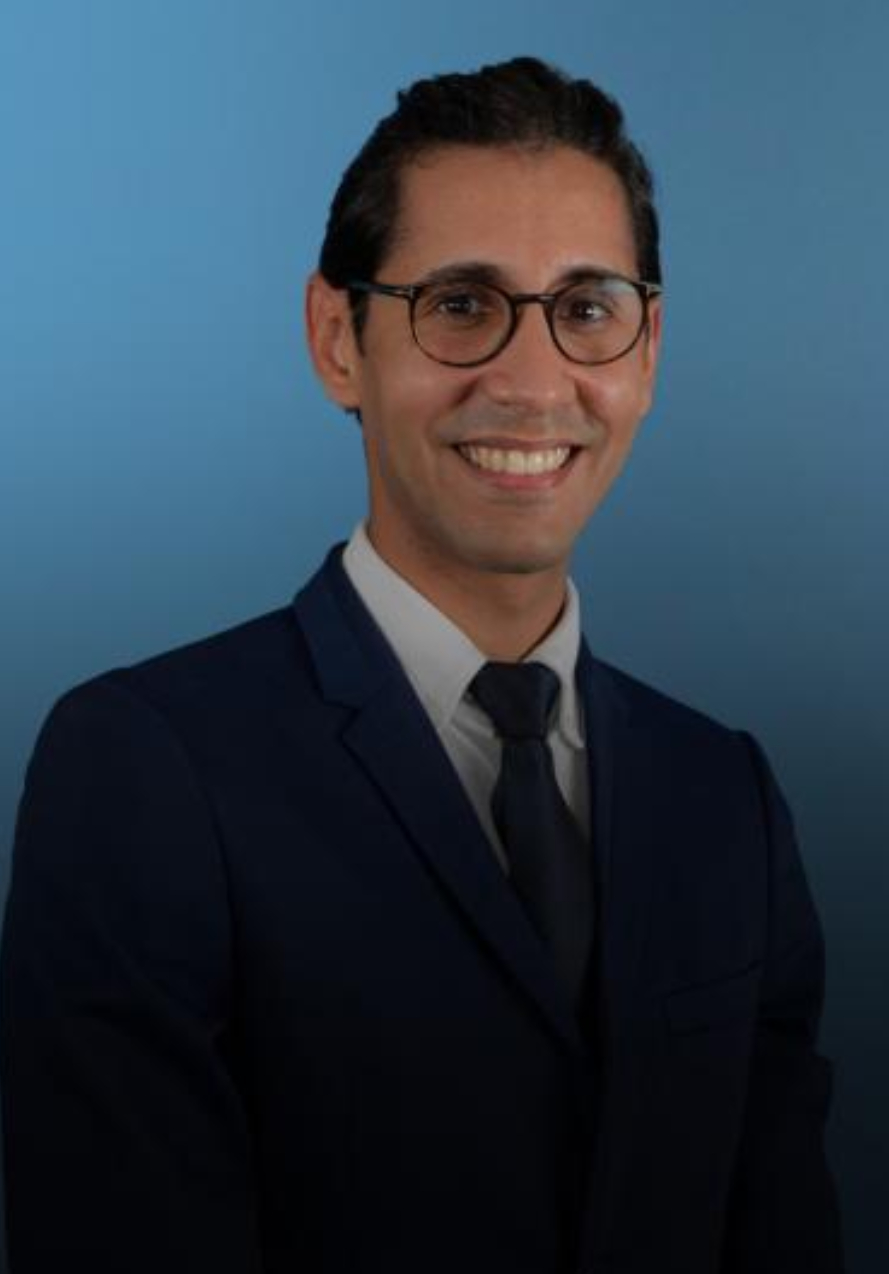
Ahmed Ouhnini
Senior Program Officer, Policy Center for the New South
Ahmed Ouhnini is an Economist at the Policy Center for the New South. His research area covers agricultural economics, human and social development. Previously, he has worked as a researcher at the Paris School of Economics (PSE) and has also a record of working in consulting services in Morocco. Ahmed holds an engineering Diploma in Agriculture and Rural Development from the National School of Agriculture of Meknes and a Master’s Degree in Law, Economics and Management from the Paris 1 Pantheon Sorbonne Institute of Development. ...

Erica Schoder
Executive Director and co-founder of the R Street Institute
...

RELATED CONTENT

  • Authors
    December 18, 2025
    The return of President Donald Trump to the White House at the start of 2025 was expected to signal an American retreat from international engagement, especially in regions of traditional security interest, such as southern Europe, North Africa, and the Middle East. To the surprise of many observers around the Mediterranean, and perhaps to the dismay of some in the Trump administration’s ideological orbit, this has not happened. If anything, the second half of 2025 has seen a high d ...
  • Authors
    December 1, 2025
    This Paper was originally published on transatlantic.org The contemporary maritime domain is increasingly recognized as a geopolitical and economic space, but also as an environment intertwined with human, social, ecological, and governance systems ashore. The United Nations Institute for Disarmament Research (UNIDIR 2024) report argues that maritime security has evolved from a narrow naval and state-centered concern into a multidimensional issue embedded in global human s ...
  • November 25, 2025
    This Policy Paper analyses the Fourth Industrial Revolution (4IR) through the critical lens of technological colonialism. It argues that the fusion of physical, digital, and biological technologies is not merely a technical phenomenon but a civilizational shift reshaping the foundations of global power. The article traces a historical continuum from previous industrial revolutions, demonstrating how patterns of inequality and extraction persist, now transposed into the digital realm ...
  • November 4, 2025
    Cette tribune a été initialement publiée sur telos-eu.comSi un domaine est supposé devoir échapper à la « démocratie d’opinion », c’est bien la politique étrangère, surtout dans la France de la Ve République. Elle se doit d’être articulée autour d’intérêts à long terme et de calculs savants, sans reculer devant la raison d’Etat. L’opinion des Français à son propos est rarement scrutée.Elle se révèle plus construite qu’on ne croit. Telle est la leçon du sondage Toluna-Louis ...
  • October 24, 2025
    Georg Charpentier, Senior Advisor at CMI Martti Ahtisaari Centershares insights on the dynamics of United Nations peace operations and regional stability. He underscores the importance of ...
  • Authors
    Leonardo Párraga
    October 9, 2025
    The author of this opinion, Leonardo Párraga, is a 2016 alumnus of the Atlantic Dialogues Emerging Leaders Program. The next chapter of peacebuilding won’t be written only around the negotiating table or in United Nations chambers. Traditional peacebuilding processes have been characterized by exclusion of some of the key stakeholders that can make them more sustainable: women, young people, and local communities. This trend has been seen in recent peace agreements. For example ...
  • Authors
    October 1, 2025
    The era of relative stability grounded in post-Second World War idealism, and a global compact around the principle of supporting the most vulnerable, is coming to an abrupt close. In its place is hard-nosed realpolitik, raw power, and transactional politics. The current discordant, fractious epoch—despite the sense of foreboding and crises in some quarters—may yet create the space and conditions for much needed honest dialogue on the future of development cooperation. This dialogue ...
  • September 17, 2025
    Cet épisode s’interroge sur l’avenir des blocs régionaux africains, pris entre l’idéal d’intégration et une réalité marquée par la fragmentation. De la fragilisation de la CEDEAO à l’émergence de l’Alliance des États du Sahel, en passant par l’influence croissante d’acteurs extérieurs, ...
  • August 28, 2025
    Alors que l’ordre mondial bascule vers un système multipolaire, l’Afrique se trouve face à un tournant décisif. Comment éviter la marginalisation et tirer parti de ses atouts stratégiques ? Entre partenariats concurrentiels des grandes puissances, montée du Sud global et élargissement d...
  • Authors
    Bruno Saraiva
    July 21, 2025
    This article assesses the economic performance of the original BRICS economies, relative to the growth and currency appreciation projections presented in the papers that introduced the acronym, prior to the grouping becoming a diplomatic, political, and economic reality. It also discusses the BRICS agenda in the current challenging geopolitical context, in which economic fragmentation tends to raise costs for the global economy and presents considerable obstacles for emerging and de ...