OMEV JOINT INTERNATIONAL CONFERENCE - Opening session

February 16, 2021

Countering Violent Extremism: New Responses to New Challenges The Executive Board Committee of the Moroccan Observatory on Extremism & Violence (OMEV), in partnership with the Policy Center for the New South (PCNS), the “Délégation générale à l'Administration Pénitentiaire et à la reinsertion (DGAPR), and the Rabita Mohammadia of Ulema, will organise an online conference under the theme “Fighting Against Terrorism: New Challenges and New Needs”.

Speakers
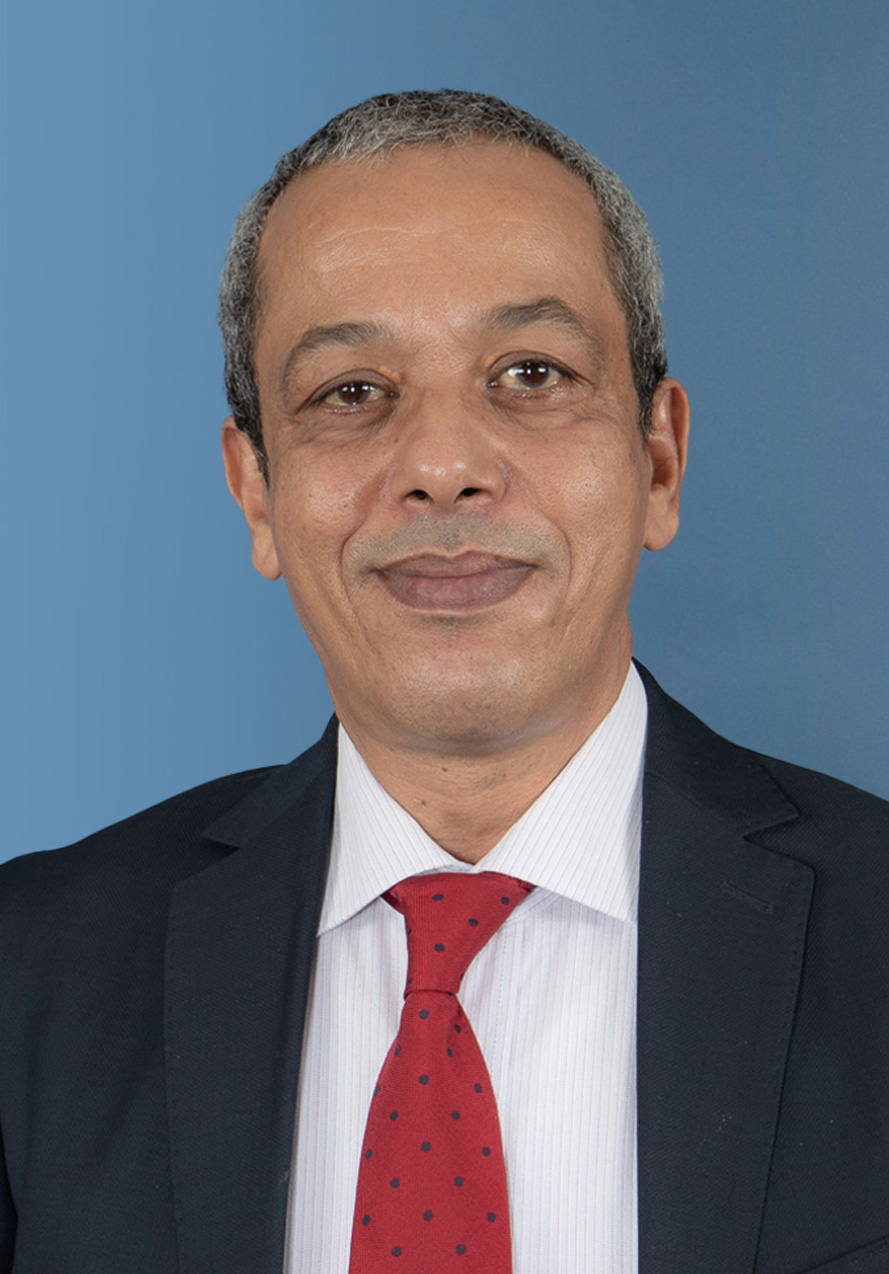
El Mostafa Rezrazi
Senior Fellow
Dr El Mostafa Rezrazi is a professor of Crisis Management, and Security Studies and a Senior Fellow at the Policy Center for the New South who focuses on Terrorism, Security and East Asia studies. His area of Expertise covers Afro-Asian Affairs, Strategic & Security Studies, Terrorism, Extremism and Deradicalization, mainly from the view of Criminal; Legal and Forensic Psychology.  He got his Ph.D. in Regional & International Affairs from the University of Tokyo in 1998, and later a Doctorate from the University of Mohammed V on the Psychological dynamisms of Suicide Bombers (2014). He is the executive director of the Moroccan Observatory on Extremism and Violence, Director of the African Center for Asian Studies, Rabat. Currently, he is Visiting Professor a ...
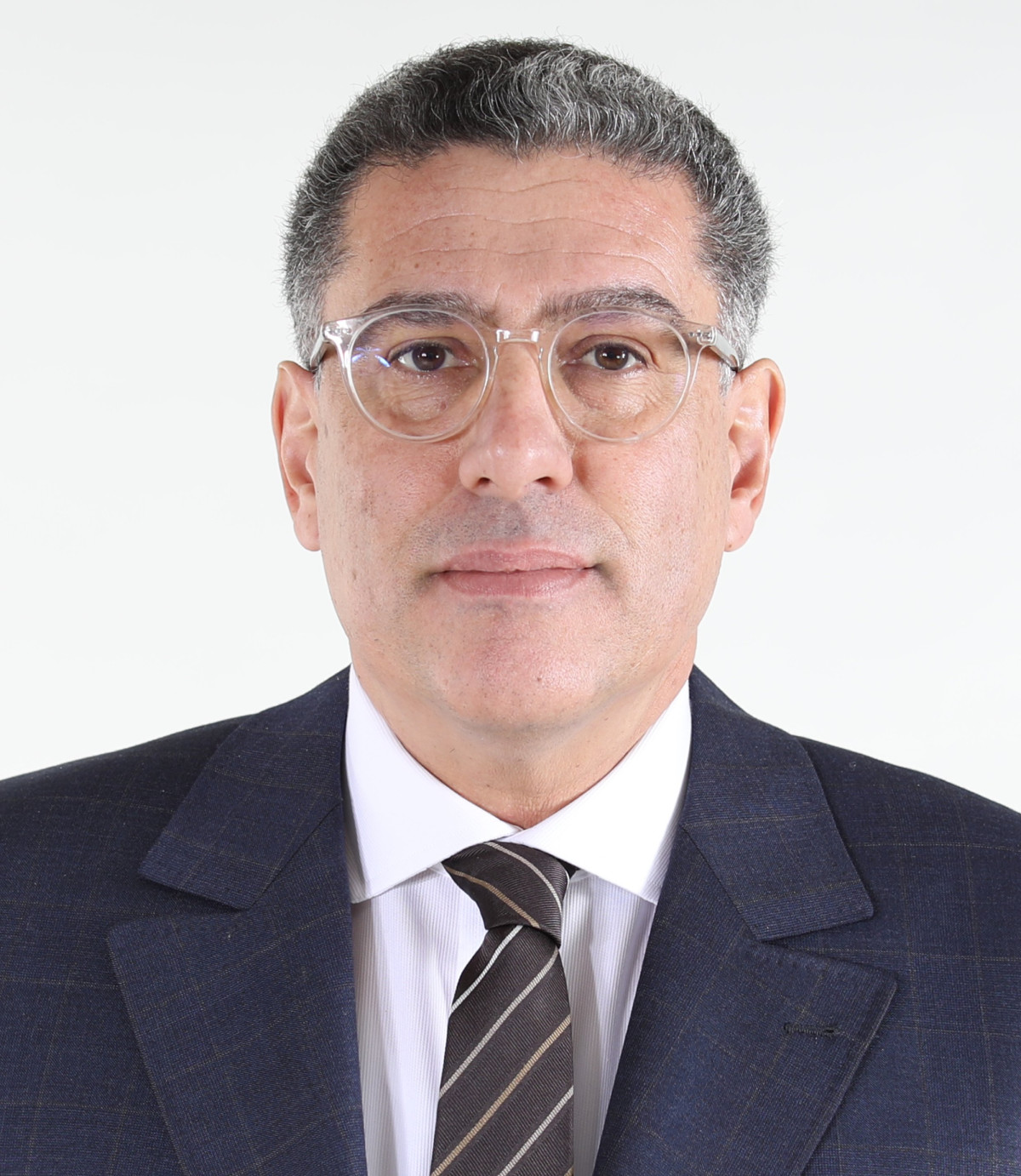
Karim El Aynaoui
Executive President
Karim El Aynaoui is Executive President of the Policy Center for the New South. He is also Executive Vice-President of Mohammed VI Polytechnic University and Dean of its Humanities, Economics and Social Sciences Cluster.  Karim El Aynaoui is an economist. From 2005 to 2012, he worked at the Central Bank of Morocco where he held the position of Director of Economics, Statistics, and International Relations. At the Central Bank of Morocco, he was in charge of the Research Department and equally a member of the Governor’s Cabinet. Previously, he worked for eight years at the World Bank as an Economist for its regional units of the Middle East and North Africa and Africa. Karim El Aynaoui has published books and journal articles on macroeconomic issues in developing ...
Rachid El Houdaigui
Senior Fellow
Rachid El Houdaïgui is a Senior Fellow at the Policy Center for the New South and an Affiliate Professor at Mohammed VI Polytechnic University. He also serves as a professor of International Relations at Abdelmalek Essaadi University's Law Faculty in Tangier. His expertise encompasses international relations, geopolitics, defense and security, focusing on the Mediterranean region, North Africa, and the Arab world. He also serves as a professor at the Royal College of Advanced Military Studies in Kenitra and is a visiting professor at Cergy-Pontoise University (Paris), Cadiz University (Spain), and La Sagesse University (Beirut, Lebanon).   He is the founder of the Moroccan-Spanish review "Peace and International Security" and oversees the Observatory of Mediterranean St ...

RELATED CONTENT

  • March 9, 2022
    The Global Terrorism Index (GTI) is an annual report produced by the Institute for Economics & Peace (IEP). Now on its 9th edition, the GTI provides a comprehensive summary of the key global trends and patterns in terrorism. It analyses a number of vital aspects of terrorism such as...
  • Authors
    March 7, 2022
    More than two years ago I wrote in a report: “The current downward security trends in Mali, Niger, and Burkina Faso should serve as a wake-up call for the states in the Gulf of Guinea, mainly Ivory Coast, Ghana, Togo, and Benin.” Recent attacks in the northern Ivory Coast and Benin show that signs of earlier years now have taken on unique characteristics. Signs of the expansion of violent extremist organizations (VEOs) to coastal states have been there since at least since 2015. The ...
  • Authors
    Mathieu Pellerin
    March 2, 2022
    La situation sécuritaire dans le Sahel central est à ce point dégradée que la menace djihadiste déborde désormais sur la partie nord des pays côtiers d’Afrique de l’Ouest. Les régions de l’Est et des Cascades au Burkina Faso ou celles de Sikasso et de Kayes au Mali constituent des bases arrière permettant aux groupes djihadistes – et principalement à la Jama’at Nasr al-Islam wal Muslimin (JNIM) pour l’instant – de s’étendre au Bénin, en Côte d’Ivoire, et dans une moindre mesure au T ...
  • Authors
    March 1, 2022
    Dans un contexte de gouvernance complexe, où autorités traditionnelles et modernes se côtoient même si leur pouvoir décroît, le Mali connait depuis de nombreuses années une situation sécuritaire alarmante, notamment dans le centre du pays. La montée des tensions entre communautés agricoles et pastorales est aggravée par la présence de groupes extrémistes. La population du Cercle de Niono, dans la région de Ségou, a été victime de violences inouïes pendant plusieurs mois avant que de ...
  • Authors
    Pierre Englebert
    February 11, 2022
    Almost ten years after the beginning of the security crisis in the Sahel, Burkina Faso, Mali, and Niger face a graver predicament than ever before. In the throes of multiple insurgencies, they and their foreign patrons, including France, have shown the limits of military containment. While these three countries are the victims of terrorist aggression, their crises also have deep domestic roots, including long-standing patterns of state abuses of their populations, even in the more d ...
  • Authors
    Seleman Yusuph Kitenge
    December 1, 2021
    Tanzania has been closely following the evolution of the security situation in the region of Cabo Delgado in Mozambique. Worsening living conditions and safety in this bordering region suggest the eruption of a multifaceted security and human threat of transnational magnitude. This paper looks at the different cultural, linguistic, and socio-economic ties that link Tanzania and Mozambique, while exploring how the security situation in Cabo Delgado might impact national security in T ...
  • Authors
    November 9, 2021
    Events in the Sahel, and Mali especially, are taking an uncertain and worrying turn. Mali witnessed two coups d’état in less than a year, while the West African Sahel went through its most violent year yet and there are no signs that the violence is slowing down. In the midst of this unprecedented instability, recent developments involving Mali’s transitional government and the international community, France in particular, provide no assurances that things are likely to improve any ...