Les Politiques Economiques de Relance Post-Covid-19 : Regards Croisés

June 12, 2020

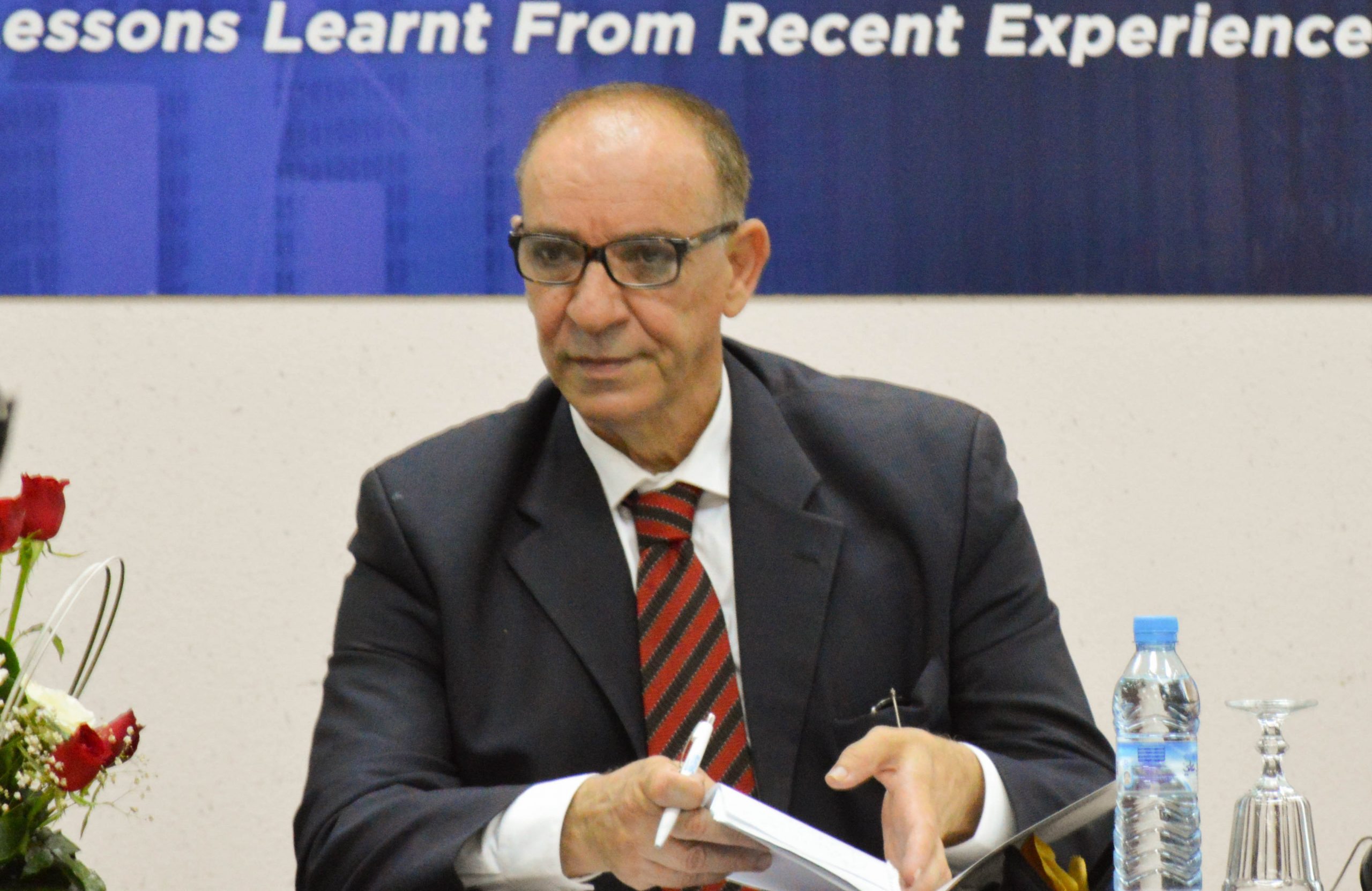
Le Laboratoire d’Economie Appliquée ( LEA) de la Faculté des Sciences Juridiques Economiques et Sociales Rabat - AGDAL en partenariat avec le Policy Center for the New South, a le plaisir de vous inviter à participer à la table ronde organisée sous le thème «Les politiques économiques de relance Post Covid-19 : Regards croisés », qui se tiendra le vendredi 12 juin 2020 à 18h00 (Heure de Rabat). Les politiques économiques de gestion de la crise issue du covid-19 sont en rupture avec les pratiques antérieures. Elles sont audacieuses et révèlent au grand jour la capacité des pays, quand ils mettent en stand-by les prêts à penser- orthodoxes-, à gérer des chocs extrêmes. Il s’agit maintenant d’examiner la capacité des politiques économiques de relance post Covid-19 à l’échelle internationale et au Maroc, de saisir cet effet de révélation, de le traduire en stratégies innovantes à même de reconstruire un Maroc social inclusif et durable.

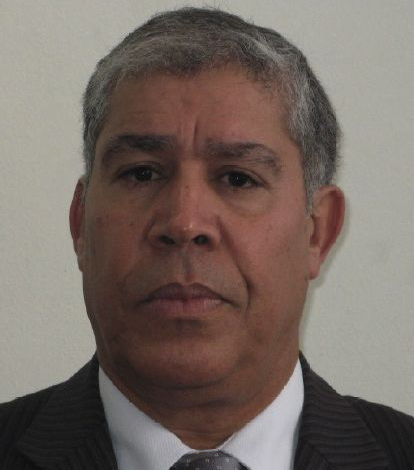
Speakers
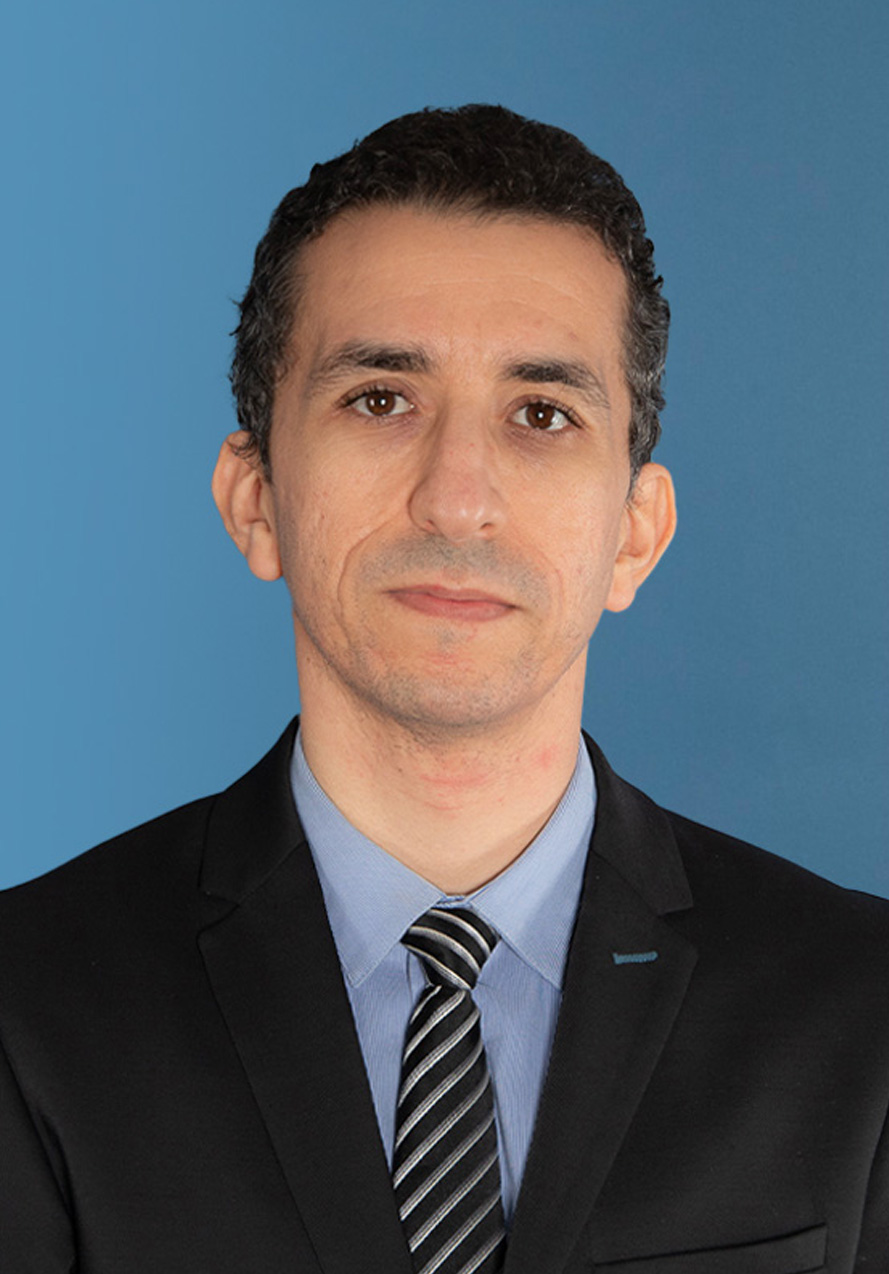
Abdelaaziz Ait Ali
Head - Research in Economics
Abdelaaziz Ait Ali is a principal Economist and head of the Research Department at the Policy Center for the New South. He joined the Center in 2014 after five years of experience at the Central Bank of Morocco. He worked as an economist in the International Studies and Relations Department and was analyzing the real estate price index and financial asset prices for monetary policy and financial stability purposes. Since then, Abdelaaziz has focused on cyclical and structural issues of the Moroccan economy, including macroeconomic management and industrial policy design. He has published articles on the reform of the exchange rate regime in the Moroccan economy and its implications for macroeconomic regulation, as well as on the evolution of the macroeconomic framework over th ...
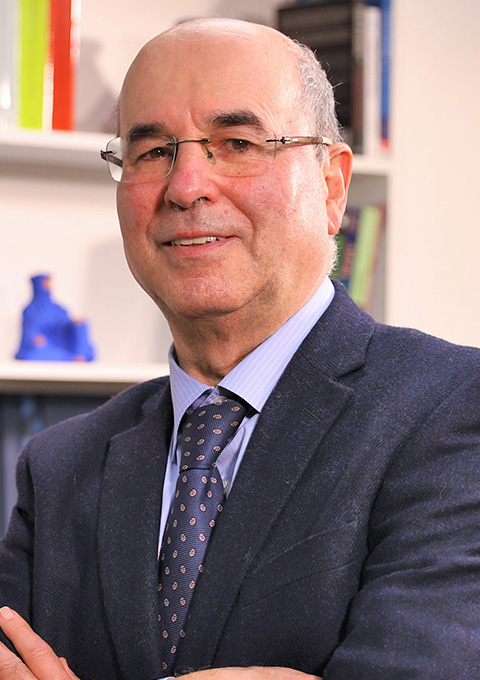
Idriss El Abbassi
Professor of economics, Mohammed V University
Idriss El Abbassi is a Professor of Economics at Mohammed V University in Rabat and coordinator of the Master’s programme in economics. He holds a PhD from Florida State University, and his research focuses on open-economy macroeconomics, growth, and structural transformation. He teaches at both the Master’s and PhD levels and is a founding member of the Laboratory of Applied Economics. A former director of the EMPRETEC/UNCTAD programme in Morocco, he has also been a visiting professor in London. He co-authored Human Capital and Economic and Social Development in Morocco and has recently published in The Economic and Labour Relations Review and Structural Change and Economic Dynamics. ...
Lahcen Oulhaj
Laboratoire d'Economie Appliquée (LEA), FSJES Agdal
...
Larabi Jaïdi
Senior Fellow
Larabi Jaïdi is a Senior Fellow at the Policy Center for the New South and an Affiliate Professor at Mohammed VI Polytechnic University. His areas of expertise include international economy, economic policies, international economic relations, regional economies, social development, international relations, and Mediterranean studies. He also served on the Special Commission on the New Development Model of Morocco, a consultative body created in November 2019 to formulate the country's new developmental guidelines. Jaïdi is a former Professor at Mohamed V University in Rabat-Agdal and a founding member of both the Centre Marocain de Conjoncture and the Groupement d’Etudes et de Recherches sur la Méditerranée.   Prof. Jaïdi previously served as Advisor to the Prime Minist ...
Saïd Tounsi
Professor and Researcher, Mohammed V University
Saïd Tounsi is a Professor and Researcher at Mohammed V University in Rabat. A specialistin economic policies, particularly fiscal policy, he has authored several studies onpublic debt sustainability and exchange rate regimes in developing countries. He has alsoco-edited collective volumes on macroeconomic policies in Morocco. A former trainer atthe IGF and Bank Al-Maghrib, he combines academic expertise with institutional experiencein analysing national and international economic dynamics. ...

RELATED CONTENT

  • July 28, 2020
    بعد تفشي فيروس كورونا المستجد في جل مناطق العالم، اختلفت طرق التصدي له من دولة إلى أخرى. حيث اعتمدت الدول قرارات متفاوتة من حيث الصرامة في ظل الحد من تفشي هذا الوباء. وفي نفس الصدد، اتُخذت عدة قرارات لدعم المواطنين لكي يتاح لهم المرور من هذه الأزمة بأقل الأضرار الممكنة في مختلف القطاعات...
  • Authors
    Karim EL Mokri
    July 27, 2020
    The current pandemic has hit all countries hard, with severe repercussions at all levels. In economic terms, and given the scale of the damage, countries have reacted quickly by drawing on their available toolboxes. However, unlike in 2008, room for maneuver this time is much more limited and many countries have no choice but to go into massive debt to cope with the effects of the pandemic. For a country like Morocco, such a situation should lead the authorities concerned to study a ...
  • July 24, 2020
    Depuis 2018, le Ghana est considéré par le Fonds monétaire international (FMI) comme le bon élève de l'Afrique. Bon élève dans le respect de la démocratie qui lui permet d'attirer de nombreux investisseurs mais, aussi, bon élève de par les résultats économiques obtenus pour réduire son inflation et relancer sa croissance économique, suite à un programme d'ajustement structurel, soutenu par le FMI, mis en place en 2015, et qui s'est achevé en 2019. Ces résultats, le Ghana les doit a ...
  • Authors
    July 20, 2020
    There are signs of recovery in various parts of the global economy, starting in May, after the depressive dip imposed by Covid-19. Such signs emerged after the easing of restrictions on mobility established to flatten out the pandemic curves, and also reflected policies of flattening the recession curve (income transfers to part of the population, credit lines to vulnerable companies and others). Besides remaining far from giving back the GDP lost, in all countries, the r ...
  • Authors
    July 20, 2020
    This article was originally published on Bruegel. The global economy is showing signs of recovery from the economic crisis caused by COVID-19, though the spread of the coronavirus is accelerating in some countries. In this circumstance, policymakers must weigh up the trade-offs involved in dealing with the pandemic while easing lock downs and sustaining economic activity. Differences in age structures, urbanisation rates and other factors will inform decision making in different co ...
  • July 16, 2020
    La femme représente la moitié de la société. Côte à côte avec l’homme, elle a toujours contribué au développement des sociétés lorsque les facteurs de conversion lui ont permis de mettre à l’œuvre ses potentialités pour parler simple. Aujourd’hui, cette catégorie de la société marocaine, et mondiale, subit de manière disproportionnée les répercussions de la crise de la Covid-19, sur plus d’un aspect de la vie en société. Ceci est particulièrement vrai lorsqu’il s’agit des domaines ...
  • Authors
    Abdoul‘ Ganiou Mijiyawa
    July 15, 2020
    We explore the effects of exporting manufactures, primary commodities, and food and agricultural products, and we examine the impact of importing capital and semi-capital goods, on structural transformation in a group of 21 sub-Saharan African countries that were covered by the inaugural African Transformation Report (ACET, 2014). The empirical results suggest that the import of capital and semi-capital goods can be a good predictor of structural transformation, while concentration ...
  • July 10, 2020
    L’Afrique fait face à une crise économique sans précédent qui ne manquerait pas de rebondir sur les équilibres économiques et sociales. Pour apaiser la violence du choc et éviter surtout l’installation permanente de ses répercussions, l’Afrique doit déployer des stratégies de ripostes i...
  • Authors
    Amine Benbernou
    Dorothée Schmid
    July 9, 2020
    Middle Eastern geopolitics is currently undergoing structural changes: the regional order is in transition in the aftermath of the Arab Spring that undermined authoritarian governance, and triggered the competition for power against a backdrop of American withdrawal. This new race for regional domination challenges the traditional hierarchy of powers that is mainly based on military capacity and the interplay of foreign alliances. The economy, which had previously guaranteed the pol ...