The Health Sector in Morocco

April 13, 2026

This episode delves into Morocco’s healthcare system, tracing strides in maternal and child health, vaccination, and the quest for universal coverage. Morocco’s COVID-19 response, alongside initiatives like TADAMON and telemedicine, showcases innovation and resilience. Yet, gaps remain, especially between urban and rural areas, highlighting the ongoing challenge of ensuring equitable and sustainable healthcare for all.

Speakers
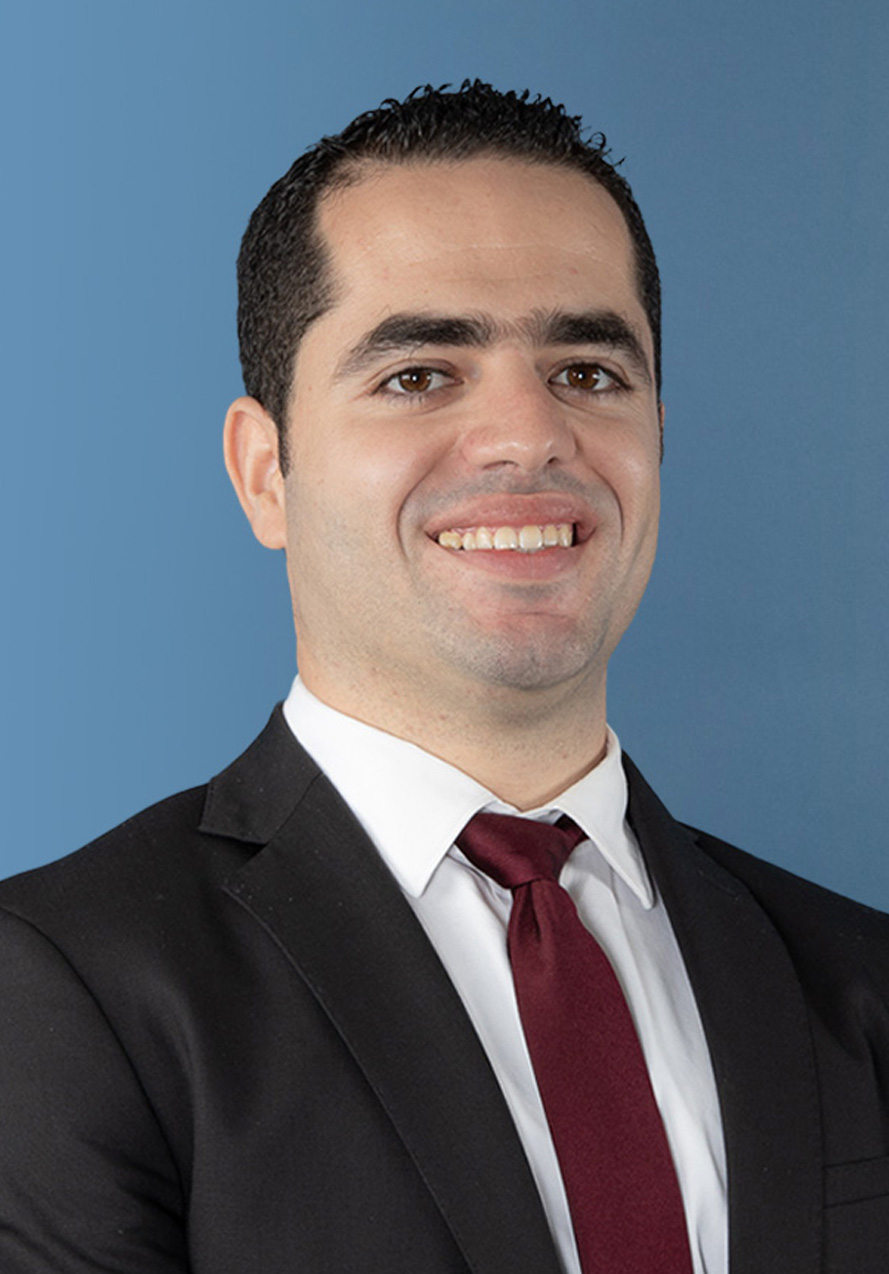
Hamza Saoudi
Senior Economist
Hamza Saoudi is a Senior Economist at the Policy Center for the New South (PCNS).At the PCNS, Hamza Saoudi conducts research on labor market dynamics, social protection systems, and inclusive growth, with a particular focus on Morocco and Africa. He is also interested in macroeconomic stabilization policies, international trade, and long-term economic development.He has contributed to PCNS projects and publications addressing informality, social protection, and inequality in developing economies.He also served as the project coordinator of the Oxford Handbook of the Moroccan Economy, published by Oxford University Press in 2026.Before joining the PCNS in 2017, Hamza Saoudi contributed to the development of quantitative models for bank credit risk management.Hamza Saoudi holds ...

Meriem Oudmane
Professor (HDR), National School of Business and Management, Casablanca
Meriem Oudmane is a Qualified Professor of Econometrics at the National School of Business and Management in Casablanca and an Affiliate Researcher at the Laboratory for Prospective Research in Economics and Management (LARPEG). She also serves as Regional Director at the Centre d’Etudes sur le Développement International et les Mouvements Economiques et Sociaux (CEDIMES), works as a consultant in public policy evaluation, and is a member of the Allied Health, Environment and Development Research Network (AHEAD). She has worked as a researcher in health economics at the Policy Center for the New South. Her research focuses on public health policies, social protection, labour markets, poverty, and inequalities. She holds a PhD in Economics from Hassan II University and an accre ...


RELATED CONTENT

  • Authors
    February 3, 2022
    COVID-19 has ravaged nearly every country in the world, with the globalization of recent decades intensifying its spread. As of mid-2021, the world had spent $16.5 trillion—18% of global GDP—to fight the disease. And that amount does not even include the most important losses such as deaths, mental health effects, restrictions on human freedom, and other nonmonetary suffering. Nearly 90% of this spending was by developed economies, with the rest by emerging market and developing eco ...
  • December 31, 2021
    In 2021 we’ve had the opportunity to host more than 50 experts in 60 episodes. We discussed economic, international relations, commodities, energy, gender, and security issues affecting t ...
  • December 21, 2021
    يخصص مركز السياسات من أجل الجنوب الجديد حلقة برنامجه الأسبوعي "حديث الثلاثاء" التضخم : أي انعكاسات على انتعاش اقتصاد المغرب ؟, مع عبد العزيز آيت علي، باحث رئيسي في الإقتصاد بمركز السياسات من أجل الجنوب الجديد. التضخم كظاهرة اقتصادية هو ارتفاع الأسعار بشكل عام، أي أنه لا يقتصر في منتوج و...
  • December 16, 2021
    حدد المغرب أهدافه للتنمية الإقليمية استنادا على مختلف أدوات التدخل كسياسات التنمية القروية وبرامج الهياكل الأساسية والخدمات الاجتماعية، وكذلك برامج التنمية المستدامة والبرامج المتعلقة بأقاليم محددة كالواحات والجبال والمناطق الحدودية. وقد أكد تقرير نموذج التنمية الجديد على ضرورة تعزيز قد...
  • Authors
    December 6, 2021
    Between January 2020 and June 2021, the world spent about US $16.5 trillion (18% of world GDP) to fight COVID-19, and this amount does not even include the most important losses such as deaths, mental health effects, restrictions on human freedom, and other nonmonetary suffering. Nearly 90% of this amount was spent by developed economies; the rest by emerging market and developing economies. Low-income countries spent just US $12.5 billion, or less than 0.0001% of the total. Moreove ...
  • Authors
    October 5, 2021
    Seconde nation la plus peuplée d’Afrique après le Nigeria, l’Éthiopie se distingue par un essor économique continu depuis trente ans. Des progrès notables sévèrement remis en question par le conflit avec la province du Tigré, qui dure depuis près d’un an. Pays phare de la Corne de l’Afrique, l’Éthiopie s’est distinguée par une croissance moyenne à deux chiffres (10 %) sur la période 2010-2019. Tombée à 6 % en 2020, celle-ci ne devrait pas dépasser 2 % en 2021 selon l ...
  • August 24, 2021
    تجدون أقوى لحظات حديث الثلاثاء حول المواضيع الاقتصادية لهذه السنة : رؤى استشرافية لما بعد الجائحة، الاقتصاد غير المهيكل، دور القطاع الثالث، المغرب وسلاسل القيمة الاقليمية مع خبراء وباحثين اقتصادين ...