This episode delves into Morocco’s healthcare system, tracing strides in maternal and child health, vaccination, and the quest for universal coverage. Morocco’s COVID-19 response, alongside initiatives like TADAMON and telemedicine, showcases innovation and resilience. Yet, gaps remain, especially between urban and rural areas, highlighting the ongoing challenge of ensuring equitable and sustainable healthcare for all.
Speakers
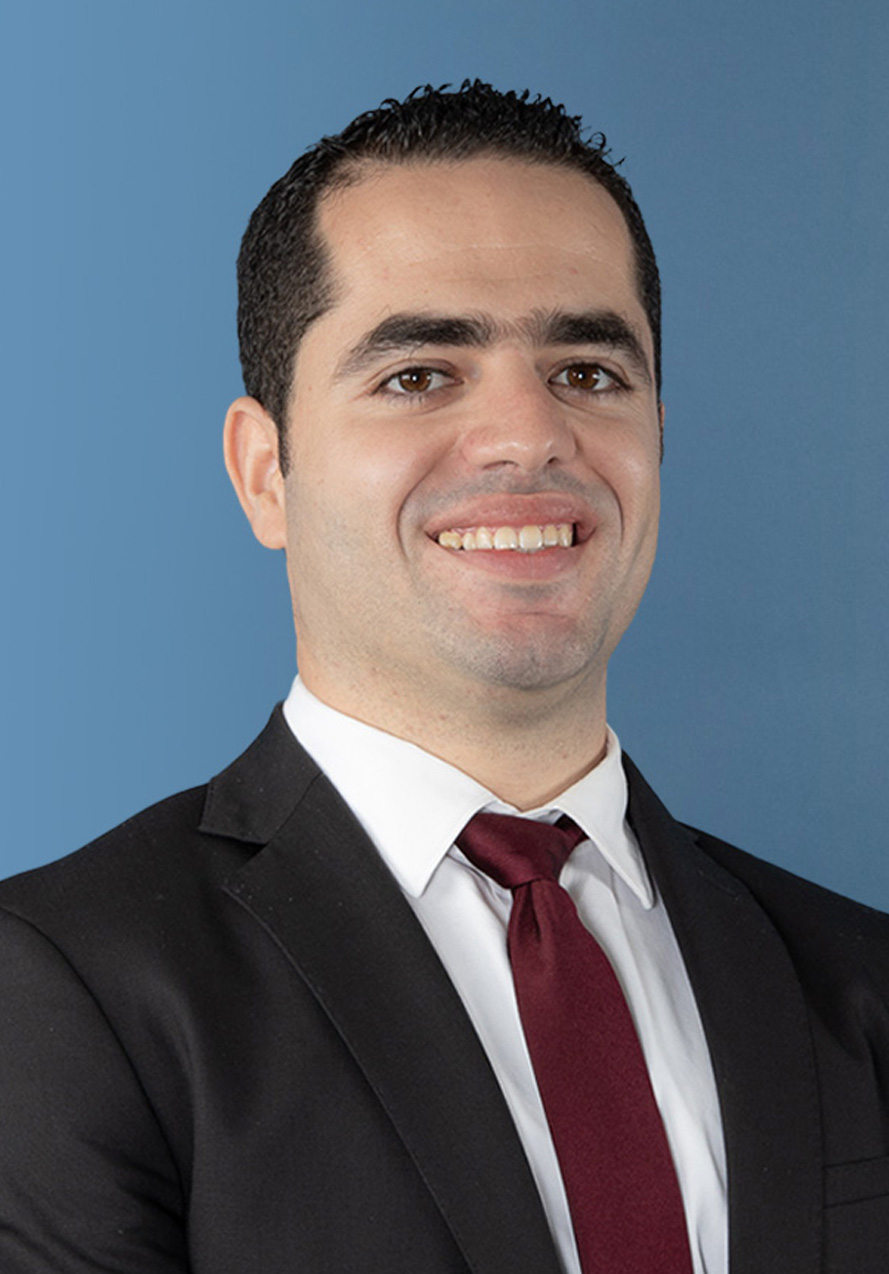
Hamza Saoudi
Senior Economist
Hamza Saoudi is a Senior Economist at the Policy Center for the New South (PCNS).At the PCNS, Hamza Saoudi conducts research on labor market dynamics, social protection systems, and inclusive growth, with a particular focus on Morocco and Africa. He is also interested in macroeconomic stabilization policies, international trade, and long-term economic development.He has contributed to PCNS projects and publications addressing informality, social protection, and inequality in developing economies.He also served as the project coordinator of the Oxford Handbook of the Moroccan Economy, published by Oxford University Press in 2026.Before joining the PCNS in 2017, Hamza Saoudi contributed to the development of quantitative models for bank credit risk management.Hamza Saoudi holds ...
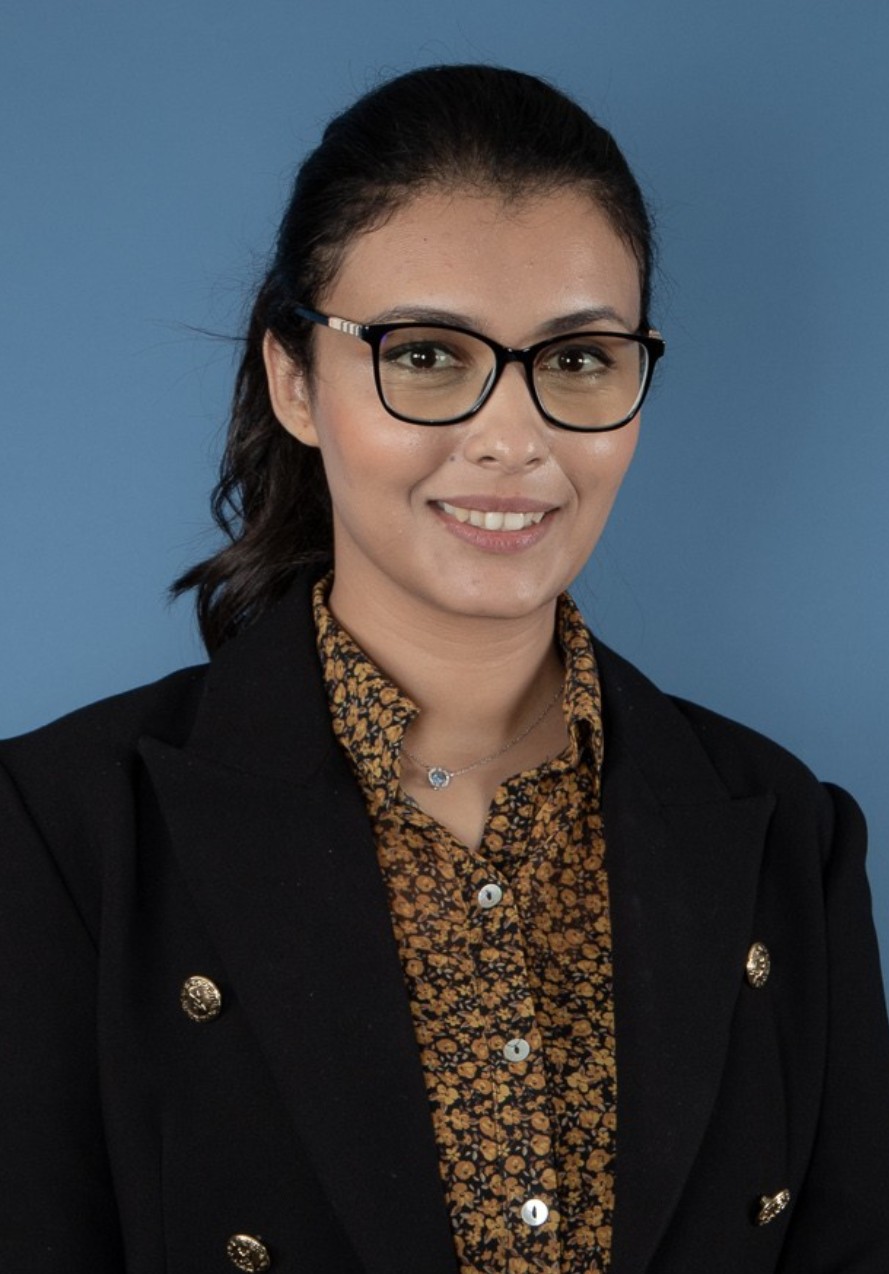
Meriem Oudmane
Professor (HDR), National School of Business and Management, Casablanca
Meriem Oudmane is a Qualified Professor of Econometrics at the National School of Business and Management in Casablanca and an Affiliate Researcher at the Laboratory for Prospective Research in Economics and Management (LARPEG). She also serves as Regional Director at the Centre d’Etudes sur le Développement International et les Mouvements Economiques et Sociaux (CEDIMES), works as a consultant in public policy evaluation, and is a member of the Allied Health, Environment and Development Research Network (AHEAD). She has worked as a researcher in health economics at the Policy Center for the New South. Her research focuses on public health policies, social protection, labour markets, poverty, and inequalities. She holds a PhD in Economics from Hassan II University and an accre ...