حديث الثلاثاء: تحليل الاستراتيجية الوطنية للتحول الرقمي 2030

December 3, 2024

نستضيف في هذه الحلقة الأستاذة رجاء بنسعود، المتخصصة في قانون الأعمال والتحول الرقمي، لنسلط الضوء على مستقبل التحول الرقمي في المغرب من خلالاستراتيجية "المغرب الرقمي 2030". سنتناول أبرز الإنجازات التي حققتها المملكة في هذا المجال، كما سنناقش الأهداف الطموحة لهذه الاستراتيجية والتحديات الكبرى التيتقف أمام تحقيقها.

Speakers
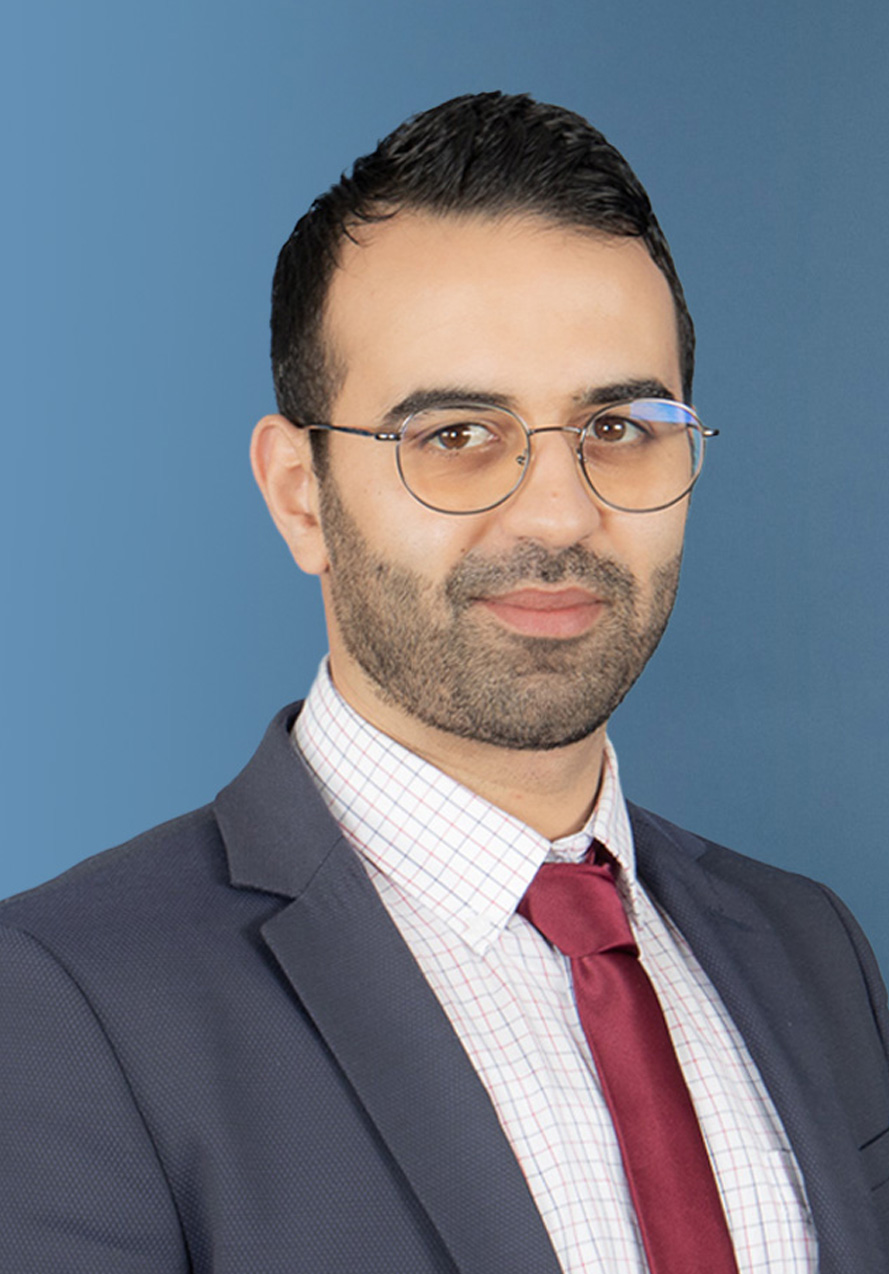
Badr Mandri
Economist
Badr Mandri is an Economist who joined Policy Center for the New South after two years’ experience at the Moroccan national statistics office (HCP, High Commission for Planning). His research activities focus on development macroeconomics especially on fiscal policy and development financing. Badr Mandri holds a master’s degree in applied economics, and is currently a PhD student at Mohamed V University in Rabat; ...
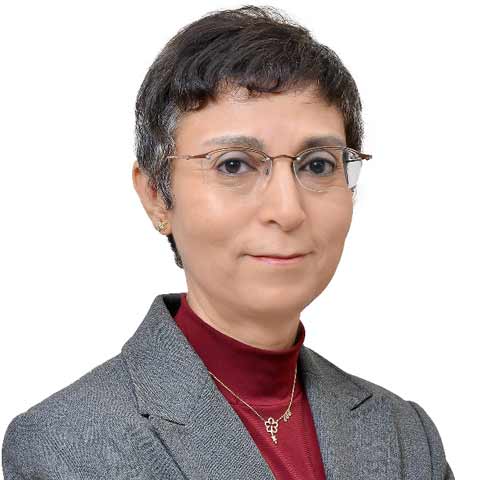
Raja Bensaoud
Independent scholar
Raja Bensaoud is a private law jurist, specializing in business and digital law. Her teaching career leads her to share her knowledge at the Royal College of Higher Military Studies as well as at several institutions of excellence such as Hassan 1st University and ISCAE. Co-founder of the Digital Act Think Tank, she also contributes her expertise to the Legal Commission of the Chambre Française de Commerce et d’Industrie du Maroc (CFCIM). Her executive experience includes roles as ministerial chief of staff, director at Royal Air Maroc, and vice president of Association of Businesswomen of Morocco (AFEM). She has actively participated in several national commissions for legal reform and codification, particularly for the Maritime Code, Free Zone Law, and Ethics of AI. ...
RELATED CONTENT

  • July 13, 2016
    Housing is part of the United Nations 11th Sustainable Development Goal, which is to “make cities inclusive, safe, resilient and sustainable”. One of the most important targets of such a goal is to “ensure access for all to adequate, safe and affordable housing1 and basic services and upgrade slums”. Since 2007, the world has faced rising inequality, insecurity and climate change impact. According to UN Habitat, 54% of the world´s population currently live in cities. By 2050, this n ...
  • Authors
    June 16, 2016
    L’écart entre filles et garçons en termes de scolarisation, au Maroc, a longtemps préoccupé tant les académiciens que les décideurs. En revanche, très peu d’études se sont penchées sur l’analyse de cet écart sous une toile de fond quantitative. Ce présent travail s’intéresse à l’écart genre en termes d’acquis scolaires en lecture. La finalité étant de mettre en exergue les facteurs influençant les différences de performance entre les genres ainsi que leur ampleur. Pour ce faire, une ...
  • Authors
    May 20, 2016
    The 2015-2030 strategic vision innovates the Moroccan educational system. Unlike previous reforms, this vision addresses problems that have long been ignored. Among these problems is the quality of education. Although educational quality may have been included in previous reform programs, it is considered as one of the priorities in this new vision. The purpose of this Policy Brief is to assess the status of learning achievement, which is an integral part of educational quality, of ...
  • February 09, 2016
    This podcast is performed byHéctor Sánchez Margalef. Raval is a multicultural quarter in the center of Barcelona and CIDOB has a porject about integration and development in this area. Wh ...
  • Authors
    Otávio José Guerci Sidone
    Jesús Pascual Mena-Chalco
    January 11, 2016
    Brazilian scholarly output has rapidly increased, accompanied by the expansion of domestic collaborations. In this paper, we identify spatial patterns of collaboration in Brazil and measure the role of geographic proximity in determining the interaction among researchers. Using a database comprising more than one million researchers and seven million publications, we consolidated information on interregional research collaboration in terms of scientific coauthorship networks among 4 ...
  • Authors
    October 27, 2015
    International trade has become a pervasive feature of our lives, yet it remains controversial and resisted across the world. High and rising income inequality, which is often blamed on international trade, especially trade with China, is one reason. But the main driver of inequality is new technology, not international trade. Although trade interacts with new technology in ways that often lead to higher inequality, trade and technology also lie at the root of economic advance. So th ...