حديث الثلاثاء: تحليل الاستراتيجية الوطنية للتحول الرقمي 2030

December 3, 2024

نستضيف في هذه الحلقة الأستاذة رجاء بنسعود، المتخصصة في قانون الأعمال والتحول الرقمي، لنسلط الضوء على مستقبل التحول الرقمي في المغرب من خلالاستراتيجية "المغرب الرقمي 2030". سنتناول أبرز الإنجازات التي حققتها المملكة في هذا المجال، كما سنناقش الأهداف الطموحة لهذه الاستراتيجية والتحديات الكبرى التيتقف أمام تحقيقها.

Speakers
Badr Mandri
Economist
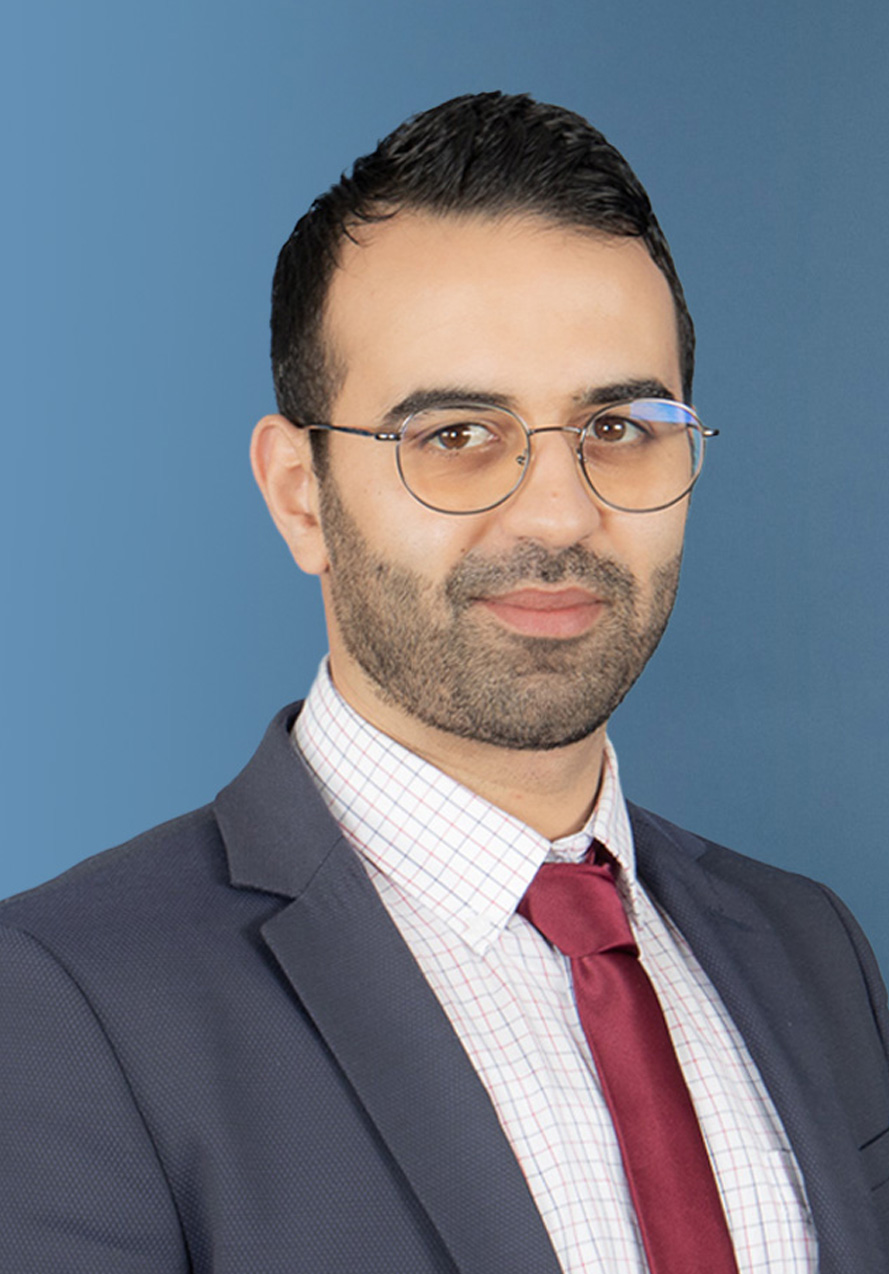
Badr Mandri is a Senior Economist at the Policy Center for the New South (PCNS), after an experience at Morocco's Haut-Commissariat au Plan (HCP). His research focuses primarily on macroeconomics, commodity markets, and development economics, having notably directed a collective volume on human capital. He also serves as an executive trainer at Mohammed VI Polytechnic University (UM6P), delivering specialized programs on public finance and fiscal policy for public sector professionals.Badr Mandri holds a Master's degree in Applied Economics from Mohammed V University in Rabat. ...
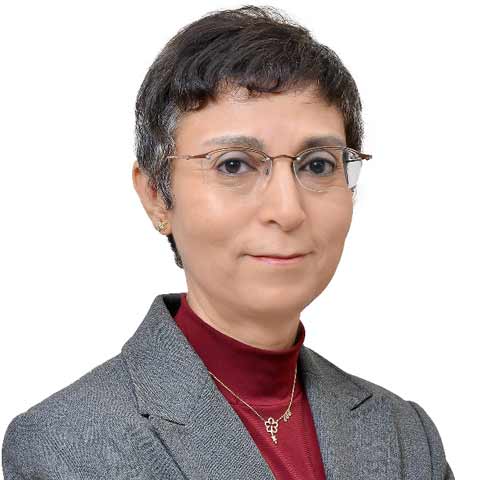
Raja Bensaoud
Independent scholar
Raja Bensaoud is a private law jurist, specializing in business and digital law. Her teaching career leads her to share her knowledge at the Royal College of Higher Military Studies as well as at several institutions of excellence such as Hassan 1st University and ISCAE. Co-founder of the Digital Act Think Tank, she also contributes her expertise to the Legal Commission of the Chambre Française de Commerce et d’Industrie du Maroc (CFCIM). Her executive experience includes roles as ministerial chief of staff, director at Royal Air Maroc, and vice president of Association of Businesswomen of Morocco (AFEM). She has actively participated in several national commissions for legal reform and codification, particularly for the Maritime Code, Free Zone Law, and Ethics of AI. ...
RELATED CONTENT

  • June 27, 2018
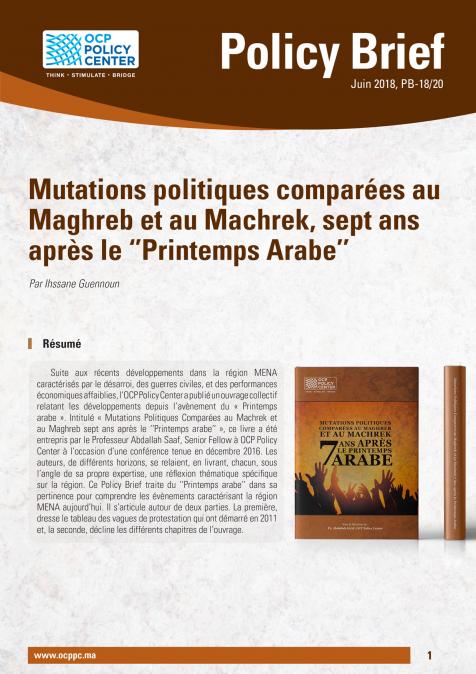
    Suite aux récents développements dans la région MENA caractérisés par le désarroi, des guerres civiles, et des performances économiques affaiblies, l’OCP Policy Center a publié un ouvrage collectif relatant les développements depuis l’avènement du «  Printemps arabe ». Intitulé « Mutations Politiques Comparées au Machrek et au Maghreb sept ans après le ‘’Printemps arabe’’ », ce livre a été entrepris par le Professeur Abdallah Saaf, Senior Fellow à OCP Policy Center à l’occasion ...
  • Authors
    May 16, 2018
    He has reserved his page in history. Half a century ago Ernest “Che” Guevara was an icon of a global youth rebellion, a revolutionary pop star for the dreaming romantic generation of  1968- kids of the bourgeois conformist society who never had the courage to risk their lives or time for the oppressed. Instead, the angry restless sympathizers of Cuban and Vietnamese fighters threw stones and molotov cocktails, some smoked pot and shouted their support to Ho Chi Minh, the frail ...
  • Authors
    May 16, 2018
    Autrefois, dans les années 60,70,80, l’apprentissage se faisait dans une ambiance caractérisée par un rapport de considération, de profond respect, voire de grande vénération, pour ceux qui nous enseignaient, ceux qui savaient et qui nous ont influencé dans notre parcours personnel. Beaucoup d’entre eux méritaient le titre de « maîtres », sorte de gourous, de repères quasi-existentiels, en raison des savoirs qu’ils ont accumulés en tant que pôles de savoir, de connaissance, de rigue ...
  • Authors
    Mokhtar Ghailani
    May 10, 2018
    Le sens communautaire évoqué par Karim El Aynaoui, directeur général de l’OCP Policy Center, dans son allocution de bienvenue aux participants à la seconde édition du Sommet des think tanks africains, s’est exprimé dans toute sa richesse et sa diversité le 9 mai. Les interventions de ce jour d’ouverture, émanant de 100 participants venus de 20 pays et représentant 40 think tanks (sur un total de 759 think tanks à travers l’Afrique, soit 10% environ du total mondial selon le Pr ...
  • Authors
    May 10, 2018
    The April issue of the IMF’s “World Economic Outlook (WEO)” included a chapter on how globalization has helped knowledge from technology leaders spread faster than before. Cross-border technological diffusion has not only contributed to rising domestic productivity levels in advanced and emerging economies, but also facilitated a partial reshaping of the technological innovation landscape, with some recipients becoming new significant sources of research and development (R&D) an ...
  • Authors
    Haim Malka
    May 8, 2018
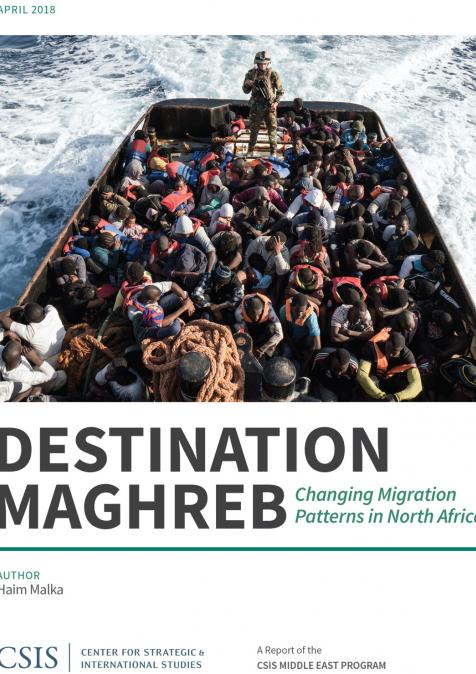
    For decades, the North African Maghreb has been both a source of irregular migration to Europe and a gateway for sub-Saharan Africans transiting to Europe. Now the Maghreb is also emerging as a destination for migration. While Europe remains the preferred destination for most African migrants, reaching Europe is becoming increasingly difficult at precisely the time that migration pressures in Africa are mounting. Africa’s massive migration is just getting started—and this presents ...
  • Authors
    Clélie Nallet
    April 23, 2018
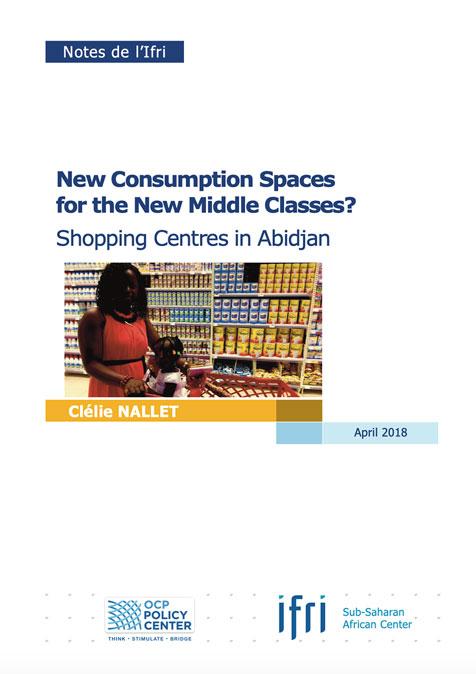
    Since 2011 and the end of the post-election crisis, Côte d’Ivoire has returned to impressive economic growth. The country and its capital are drawing attention from a growing number of investors, and the “Abidjanian middle classes” are widely publicised and sought after. At the same time, Abidjanian consumption spaces have become particularly diversified and transformed. Abidjan provides many options for consumers who are operating in a competitive environment with a wide selection ...
  • Authors
    March 7, 2018
    Brazilian conditional cash transfers are small amounts of money the government distributes directly to very poor households on condition that their children attend school and are vaccinated. The money goes to the women of the household, because research undertaken in the 1990s – and later confirmed in other countries – showed an increase in babies' height and weight when women have more control over household income. Greater control over household resources by women can strengthen a ...
  • Authors
    Thomas Pereira da Silva
    March 7, 2018
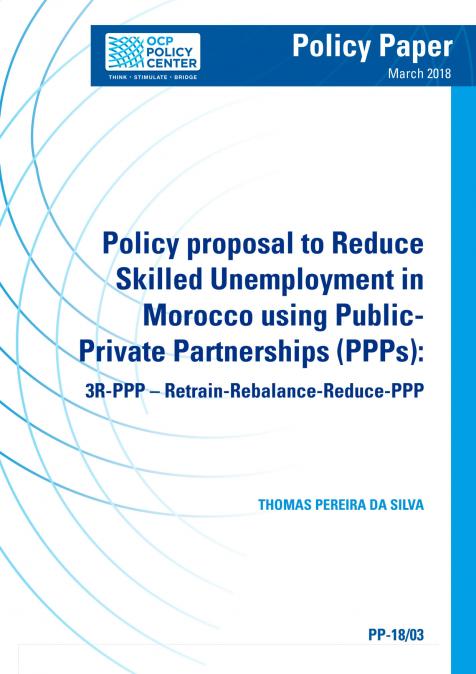
    This proposal seeks to contribute to reduce, in a cost-effective way, Morocco’s unusually high, persistent and growing unemployment level for university graduates1. It complements and enhances the existing Université Internationale de Rabat (UIR) Public-Private Partnership (PPP). Tertiary enrolment in Morocco has been increasing above what seems to be labor market absorptive capacity. Over the past decade, the share of the unemployed with university degrees as a percentage of total ...