حديث الثلاثاء : حلقة خاصة - كيف يمكن تحقيق استدامة تقوية الدول في سياقات ما بعد النزاع؟

July 18, 2023

في ضوء المؤتمر السنوي للسلم والأمن بإفريقيا حول إعادة الإعمار بعد الصراع في أفريقيا

عرفت السنوات الأخيرة اضطرابات جيوسياسية واقتصادية على المستوى العالمي. ومع تزايد زخم الأحداث، دخل العالم فترة تحول جيوسياسي واقتصادي تعلن نهاية دورة تاريخية وتُنبِّؤ بآفاق غير مؤكدة لدورة جديدة. وعليه، فإننا أمام تغير عالمي حقيقي ينطوي على نقاط ضغط متعددة وقوىً دافعة التي من المرجح أن تتأثر بها القارة الإفريقية بدرجات متفاوتة، حيث إنها اتبعت على مر العقدين الماضيين عملية تنويع في الشراكات الاقتصادية والسياسية والعسكرية على مستوى الدولة والمؤسسات، سواء على الصعيدين القاري أو الإقليمي خاصة في إطار إعادة الإعمار بعد الصراع. والحال أن الأوضاع الاقتصادية العالمية إلى جانب التحديات البنيوية لإفريقيا يفاقمان من التوجهات الأساسية ذات النتائج الجيوسياسية الحتمية. فكيف تتحدّد معالم مشهد ما بعد الصراع في كل دولة بالنظر إلى التحالفات والتنافسات التي تنطوي عليها النزاعات في أفريقيا علما أن هذه العلاقات المتداخلة قد تقدّم منظورًا متعدّد الأبعاد يمكن من خلاله فهم العلاقة القائمة بين إعادة الإعمار بعد الحرب وموازين القوى الإقليمية؟ إلى أي حد تقترن عملية الإعمار بعد الصراع بالعملية السياسية التي تتيح إعادة توزيع الخسائر والأرباح في إطار الاصلاحات؟ ثم كيف يمكن قراءة التحالفات والشركات الجديدة في القارة في ظل الواقع الإقليمي والدولي الراهن حيث لا يمكن إطلاق أي عملية سياسية أو تحقيق استدامتها من دون انخراط دول خارجية وجهات غير تابعة للدولة، بشكل مباشر من خلال الوساطة والتحكيم مثلًا، أو بشكل غير مباشر، من خلال حلفائها أو وكلائها المحليين؟

Speakers
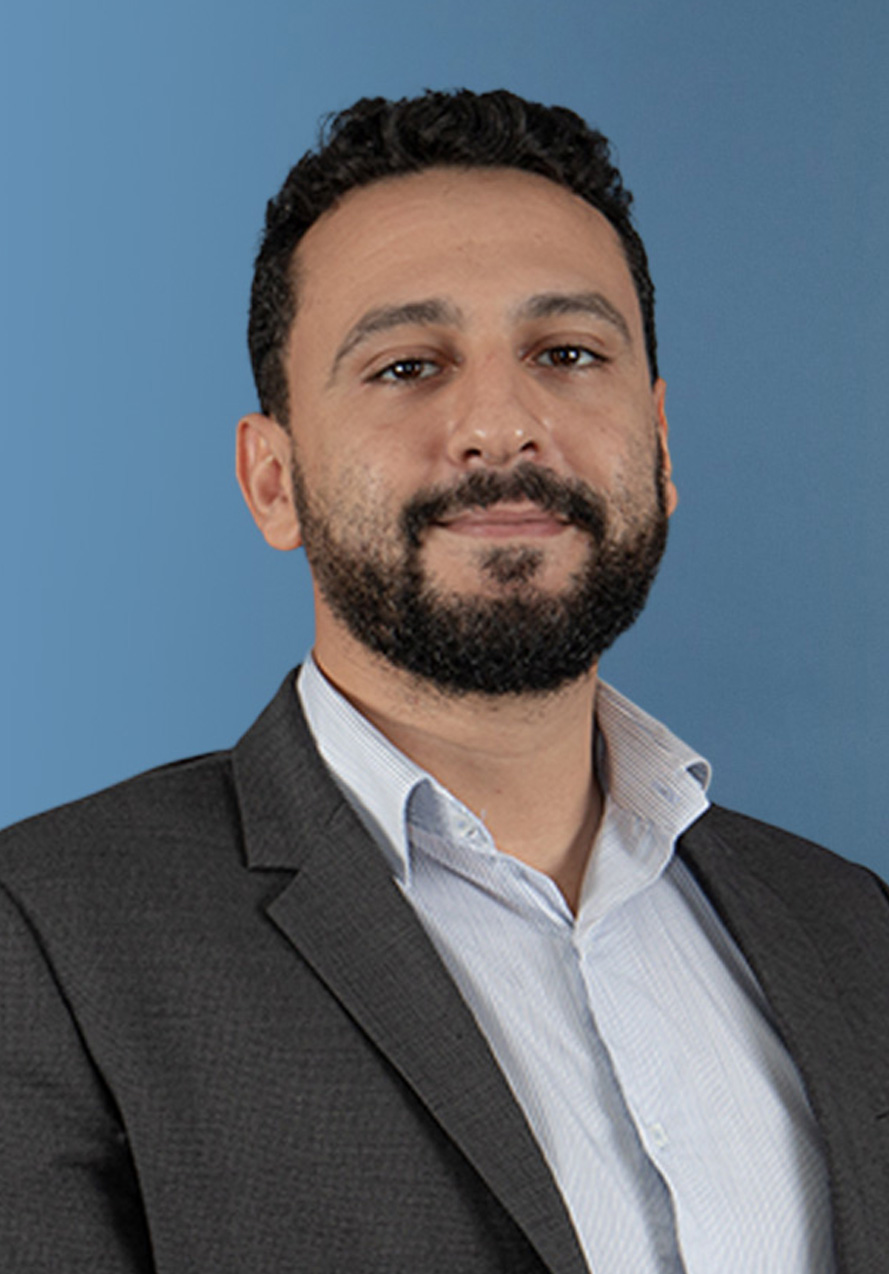
Akram Zaoui
Chargé de Mission to the Executive President
Akram Zaoui is a Senior International Relations Specialist and Chargé de Mission to the Executive President at the Policy Center for the New South (PCNS). Prior to this, he was Manager of Research Support and the Public Policy Lab at the PCNS. His main area of interest is the geopolitical economy of the Extended Middle East and North Africa (MENA) region. From 2018 to 2020, Zaoui was the coordinator of a network of 70+ civil society organizations (CSOs) across France, working with foundations, government, local communities, and the private sector. Zaoui holds a dual degree in corporate and public management from HEC Paris and Sciences Po, as well as a bachelor's degree (licence) in history from Université Paris 1 Panthéon-Sorbonne. He audited courses in Iranian and Shia Stud ...
Imane Lahrich
Head – Research Valorization
Imane Lahrich is the Head of Research Valorization Department, having previously served as a Partnerships & Research Support Officer at the Policy Center for the New South since 2019. She mainly worked on security-development related projects. She has experience as a Project Manager in a Strategic Intelligence firm (2017-2019) and as a research consultant in the MENA region, focusing on international development and the Rule of Law. Imane Lahrich holds a Master's in Political Studies and a Bachelor's in Political Science from Mohammed V University of Rabat. She also participated in a one-year exchange program at Masaryk University in the Czech Republic under the EMMAG MUNDUS Excellence scholarship.     ...

RELATED CONTENT

  • January 6, 2026
    La création de l’Alliance des États du Sahel (AES) symbolise une rupture politique et géostratégique majeure, appuyée sur un discours souverainiste et anti-occidental. Deux ans après, Mali, Burkina Faso et Niger peinent à assurer leur intégrité territoriale, à stabiliser leur sécurité intérieure et à bâtir une gouvernance solide. L’intégrité territoriale est un problème commun aux trois États, car dans ces pays, la cohésion de l’État et le contrôle du territoire sont directement men ...
  • Authors
    Niccola Milnes
    December 30, 2025
    Fuel access has become a strategic pressure point across Mali and its neighbors. In 2025, Jama’t Nusrat al Islam wal- Muslimeen (JNIM) shifted from sporadic interdictions to a deliberate fuel-blockade strategy intended to pressure Bamako without holding territory. By selectively constraining movement along the Sikasso–Kayes–Bamako corridor, the group turned fuel scarcity into a tool of coercion, governance, and narrative control—shaping behavior in the capital while remaining largel ...
  • Authors
    Chaïma Jabbar
    December 23, 2025
    Les pays membres de l’Alliance des États du Sahel (le Mali, le Burkina Faso et le Niger) demeurent dépendants d’un nombre restreint de corridors d’accès à la mer, une configuration qui limite leur capacité d’ajustement en cas de perturbation et accroît la sensibilité de leurs chaînes d’approvisionnement. Le blocus du tronçon Kayes-Nioro a illustré la forte criticité du corridor Dakar-Bamako : l’interruption d’un segment unique a entraîné une contraction rapide des flux, révélant la ...
  • Authors
    Chaïma Jabbar
    December 23, 2025
    The member countries of the Alliance of Sahel States, Mali, Burkina Faso, and Niger, remain dependent on a limited number of maritime access corridors, a configuration that constrains their adjustment capacity in the event of disruption and heightens the vulnerability of their supply chains. The Jama’at Nusrat al-Islam wa al-Muslimin (JNIM) blockade of the Kayes-Nioro area revealed how critical the Dakar-Bamako corridor is for the political and economic stability of Mali. Its interr ...
  • Authors
    Niagalé Bagayoko
    Eugène Berg
    Christophe Chabert
    Thierry Garcin
    Alain Oudot de Dainville
    Florent Parmentier
    Anne Sophie Raujol
    Hassan Saoudi
    October 23, 2025
    Prochainement disponible sur Livremoi & Amazon. Les Dialogues Stratégiques, fruit d'une collaboration entre le HEC Center for Geopolitics et le Policy Center for the New South, constituent une plateforme d'échanges biannuelle dédiée à l'analyse des grandes tendances mondiales et des problématiques régionalesqui lient l'Europe et l'Afrique. Réunissant praticiens, décideurs, universitaires et représentants desmédias, cet espace de réflexion permet de décoder les transfor ...
  • Authors
    Meryam Amarir
    October 6, 2025
    Le Soudan, en plus de la crise politique et humanitaire qui le secoue depuis des années, doit faire face à une dégradation inquiétante de son patrimoine culturel, matériel et immatériel. Particulièrement dans les zones où les combats sont les plus intenses. Le patrimoine culturel soudanais est l’autre victime de cette guerre : la destruction des sites archéologiques et le pillage des musées alimentent le trafic illicite des biens culturels et contribuent aux dynamiques d’instabilité ...
  • Authors
    Meryam Amarir
    October 6, 2025
    إلى جانب الأزمة السياسية والإنسانية التي تعصف بالسودان منذ سنوات، أضحى التراث الثقافي السوداني ضحية لهذه الحرب حيث شهد تدهوراً مقلقا، لا سيما في المناطق التي تشهد أعنف المعارك ً. فقد أدت عمليات تدمير المواقع الأثرية ونهب المتاحف إلى تغذية شبكات الاتجار غير المشروع بالممتلكات الثقافية، الأمر الذي يزيد من تفاقم ديناميات عدم الاستقرار في المنطقةوتدور رحى الحرب بين الجيش النظامي، أو القوات المسلحة السودانية (SAF) بقيادة عبد الفتاح البرهان، وبين قوات الدعم السريع، (RS ...
  • Authors
    Meryam Amarir
    October 6, 2025
    Sudan’s Heritage: Looting as a Weapon of WarSudan, in addition to the political and humanitarian crisis that has shaken the country for years, is now facing a worrying degradation of its cultural heritage, both tangible and intangible, particularly in areas where the fighting is most intense. Cultural heritage has become another victim of this war: the destruction of archaeological sites and the looting of museums fuel the illicit trafficking of cultural property and contribute to r ...
  • September 26, 2025
    Rida Lyammouri, Senior Fellow at the Policy Center for the New South, examines the rise of drone use by non-state armed groups in the Sahel. The discussion highlights how civilian drones ...