حديث الثلاثاء : الترابية ورهان التنمية المحلية

January 10, 2023


يمكن اعتبار الاصلاح الدستوري لسنة 2011، تدشينا لجيل جديد من المؤسسات المنتخبة على المستوى المحلي والترابي، انبثقت عنها مجالس ديمقراطية، لها من الصلاحيات والآليات ما يمكنها من النهوض بالتنمية الجهوية المندمجة. ويتمثل هذا التنظيم الجهوي من خلال آليات تجمع بين الديمقراطية التمثيلية من خلال الانتخاب المباشر لأعضاء المجالس الجهوية، والديمقراطية التشاركية من خلال آليات الحوار والتشاور ونظام العرائض، وخاصة منها تلك المستجدات التي تسهم في تسهيل التفاعل الإيجابي والناجح بين جمعيات المجتمع المدني والمنتخبين المحليين، وبالتالي تقوية عامل الثقة والتعاون بين هاته الأطراف واستحضار البعد الحقوقي والمواطنة المسؤولة. فما هي الآليات التي تم وضعها على المستوى الترابي من أجل تحقيق حكامة ترابية قادرة على تجاوز التحديات التي تحول دون تحقيق التنمية الترابية المنشودة، خصوصا فيما يتعلق بإدراج النساء والشباب؟ هل نشهد فعلا هذه المشاركة الفعلية للأطراف المعنية بالديمقراطية التشاركية في كل مراحل السياسات العمومية أم تنحصر فقط في مراحل التصور والتصميم دون المشاركة في الأجرأة والتقييم؟ وإذا كانـت كل هـاته الإصلاحـات قـد أثمـرت ترسـانة تشـريعية وتنظيميـة مهمـة، فإنهـا أفضـت أيضـا إلـى تعـدد فـي الفاعليـن والهيئـات الذيـن يتدخلـون فـي مختلـف المسـتويات الترابيـة. لذلـك كيف يمكن تقييم هذه الدينامية التي من المستوجب أن تعتبر المواطن كشريك وليس فقط مستفيد، هل هذا النوع من الشراكة يلمس مبدأ المسؤولية كذلك؟
 

Speakers
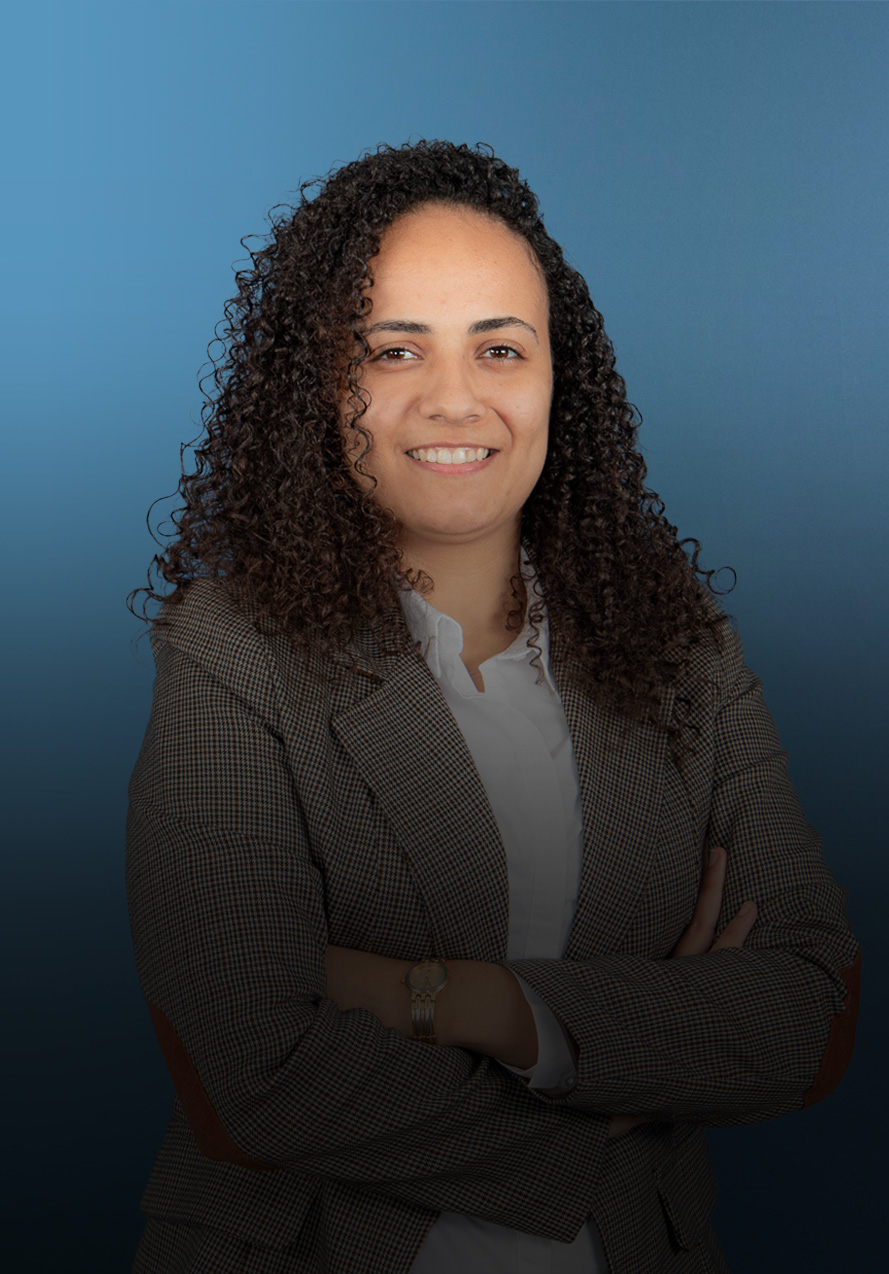
Imane Lahrich
Head – Research Valorization
Imane Lahrich is the Head of Research Valorization Department, having previously served as a Partnerships & Research Support Officer at the Policy Center for the New South since 2019. She mainly worked on security-development related projects. She has experience as a Project Manager in a Strategic Intelligence firm (2017-2019) and as a research consultant in the MENA region, focusing on international development and the Rule of Law. Imane Lahrich holds a Master's in Political Studies and a Bachelor's in Political Science from Mohammed V University of Rabat. She also participated in a one-year exchange program at Masaryk University in the Czech Republic under the EMMAG MUNDUS Excellence scholarship.     ...
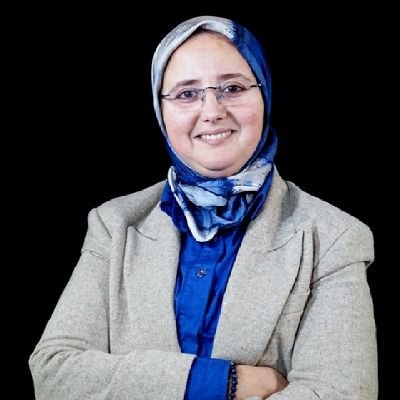
رقية أشمال
أستاذة باحثة في القانون العام بكلية علوم التربية بالرباط
...

RELATED CONTENT

  • Authors
    Youssef El Jai
    April 1, 2020
    « Economists have a bad track record in predictions, so I will not try my hand at predicting the effect of the novel coronavirus (COVID-19) on the global financial system or the global economy. » Thorsten Beck .ctc ul{padding-left:30px; } .ctc ul li{list-style:disc;} Comme le dit si bien Thorsten Beck, il serait illusoire de prévoir à ce stade, compte tenu de l’information disponible, un impact chiffré de la crise sur l’économie. A l’issue de son Conseil du17 mars 2020, ...
  • Authors
    March 30, 2020
    .publication_wrapper ul li{ list-style:disc} .publication_wrapper ul{ padding:0 0 25px 30px;} Depuis le 12 mars, les frontières et les communications aériennes, maritimes et terrestres entre l’Espagne et le Maroc sont fermées à cause de la crise du COVID-19. Mais au-delà de la fermeture transitoire des frontières, la crise sanitaire, doublée de la crise économique qui se laisse déjà ressentir en Espagne, aura un fort impact sur un million de ressortissants marocains résidant en Esp ...
  • Authors
    March 10, 2020
    Le mouvement des femmes marocaines est issu de l’histoire récente de la société depuis la période précoloniale. La trame du débat autour de l’élaboration et de la réforme de la Moudawana, qui s’est imposé dans la vie politique marocaine depuis les premières années de l’indépendance jusqu’à nos jours, traduit, en fait, un processus amplifié et récurrent des enjeux autour du statut et du rôle de la femme dans la société marocaine qui remonte loin dans l’histoire. Produit moderne d’un ...
  • Authors
    Abdessalam JALDI
    March 4, 2020
    When I think about women’s empowerment, I see it as a constant process of attaining milestones in our lives as individuals man and woman, and as society. When I think of women’s empowerment in the context of Morocco, a host of questions come to mind. First, how is the ‘Moroccan woman’? In other words, to what extent are Moroccan women seeking to empower themselves? Does empowerment, mean the same thing to every Moroccan woman? To what extent is it self-empowerment? And what are the ...
  • September 30, 2019
    Notre Senior Fellow a répondu aux questions suivantes : 1/ Dans la région du Moyen-Orient et d’Afrique du Nord, en 2016 la part du revenu global des 1% les plus riches était 2,6 fois plus important que celle des 50% les plus pauvres. Sur quels leviers agir pour réduire les inégalités da...
  • September 1, 2019
    Income inequality is high in Morocco. In 2013, the share of national income1  of the richest 10% in Morocco stood at nearly 32%, 12 times higher than the share of national income of the poorest 10% of the population. This paper argues that, drawing on international experience, there is much more that Morocco’s government can do to reduce inequality while at the same time enhancing growth and – possibly – doing so in a manner that is budget-neutral or even budget-positive. Top o ...
  • August 23, 2019
    Income inequality is high in Morocco. In 2013, the share of national income of the richest 10% in Morocco stood at nearly 32%, 12 times higher than the share of national income of the poorest 10% of the population. High inequality can adversely affect long-term growth as it tends to be associated with underutilization of human potential. This paper argues that, drawing on international experience, there is much more that Morocco’s government can do to reduce inequality while at the ...
  • February 14, 2019
    Rabat, Capitale du Maroc, connait des mutations profondes depuis le début du siècle et du millénaire, conséquence de deux programmes initiés par Sa Majesté le Roi Mohammed VI. Le premier, lancé en 2004, autour de l’aménagement du site de la Vallée Bouregreg, le fleuve qu’elle partage avec Salé. Le second, conçu la même année, dans le cadre du programme de rénovation urbaine Rabat, ville lumière et capitale culturelle du Royaume. ...
  • Authors
    Nchimunya Hamukoma
    Nicola Doyle
    Archimedes Muzenda
    November 29, 2018
    The twin cities of Rabat and Salé on Morocco’s west coast embody prominence in Morocco’s past and present, Rabat as capital and Salé as the third most populous city. Less than 20 years ago, however, Salé was charac¬terised by large slums, high unemployment, poor service delivery and limited mobility. Today, it is a changed city, providing housing to the majority of Rabat’s working class, with a modern tram linking the two cities. Morocco’s ‘Cities without Slums’ programme, launched ...