حديث الثلاثاء : العلاقات الروسية الافريقية في ظل النسخة الثانية من قمة روسيا – أفريقيا

August 15, 2023

يخصص مركز السياسات من أجل الجنوب الجديد حلقة برنامجه الأسبوعي "حديث الثلاثاء" لمناقشة العلاقات الروسية الافريقية في ظل النسخة الثانية من قمة روسيا – أفريقيا مع أسامة الطيبي، باحث في العلاقات الدولية بمركز السياسات من أجل الجنوب الجديد. أصبحت القمم ومنتديات التعاون الية من اليات تعزيز تواجد ونفود القوى الكبرى على الساحة الدولية. فقد أصبحت موسكو مند سنة 2019 عضواً في نادي “منتديات التعاون مع أفريقيا” ضمن عدد قليل من القوى الدولية والإقليمية الساعية إلى توطيد علاقاتها مع الدول الأفريقية بهدف توسيع نفوذها وحضورها لتحقيق أهدافها ومصالحها الاستراتيجية. وقد نجحت موسكو في عقد النسخة الثانية من القمة الروسية – الأفريقية بعد عدة تأجيلات. فقد استضافت مدينة سان بطرسبرج الروسية القمة على مدار يومي 27 و28 يوليوز من هذه السنة بمشاركة نحو 49 دولة أفريقية، بما في ذلك حضور رؤساء وحكومات أفريقية، وعدد من الوزراء والسفراء. نعود خلال هاته الحلقة إلى مناقشة أهم محطات العلاقات الروسية الافريقية، أهم النتائج المستخلصة من القمة الروسية الافريقية لهذا العام، نشأة القمة وأبرز الأهداف المتوخاة من تأسيسها، أوجه الاختلاف بين قمتي يوليوز 2023 وسوتشي 2019 وكدى تطلعات ومستقبل العلاقات بين روسيا وأفريقيا بعد هذه القمة الثانية، أسئلة وغيرها نناقشها مع أسامة الطيبي، باحث في العلاقات الدولية بمركز السياسات من أجل الجنوب الجديد
Speakers
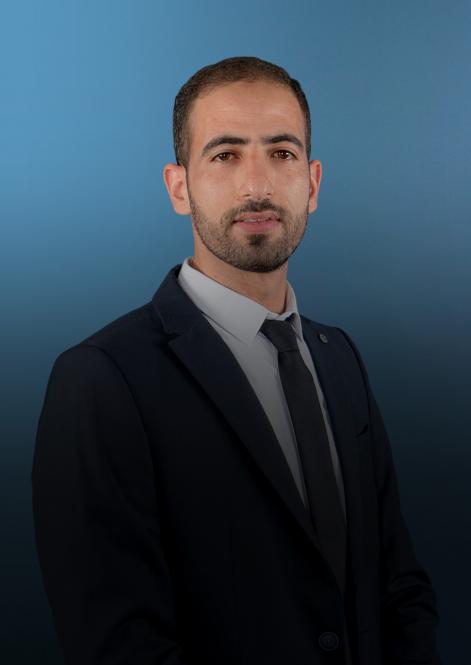
Oussama Tayebi
Senior International Relations Specialist
Oussama Tayebi is a Senior International Relations Specialist at the Policy Center for the New South (PCNS).At the PCNS, Oussama Tayebi primarily conducts research on governance, peace, and security issues in Central Africa. Before joining the PCNS in 2019, Oussama Tayebi contributed to the activities of the UN Women’s multi-country office for the Maghreb and the Paris office of the ONE Campaign (NGO), providing support for advocacy initiatives on the Africa-EU partnership and official development cooperation issues.Oussama Tayebi holds a bachelor’s degree in political science from the School of Governance and Economics in Rabat, Morocco, and a master’s degree in international relations from Sciences Po Aix, France.Oussama Tayebi is fluent in Arabic, English, and French. ...
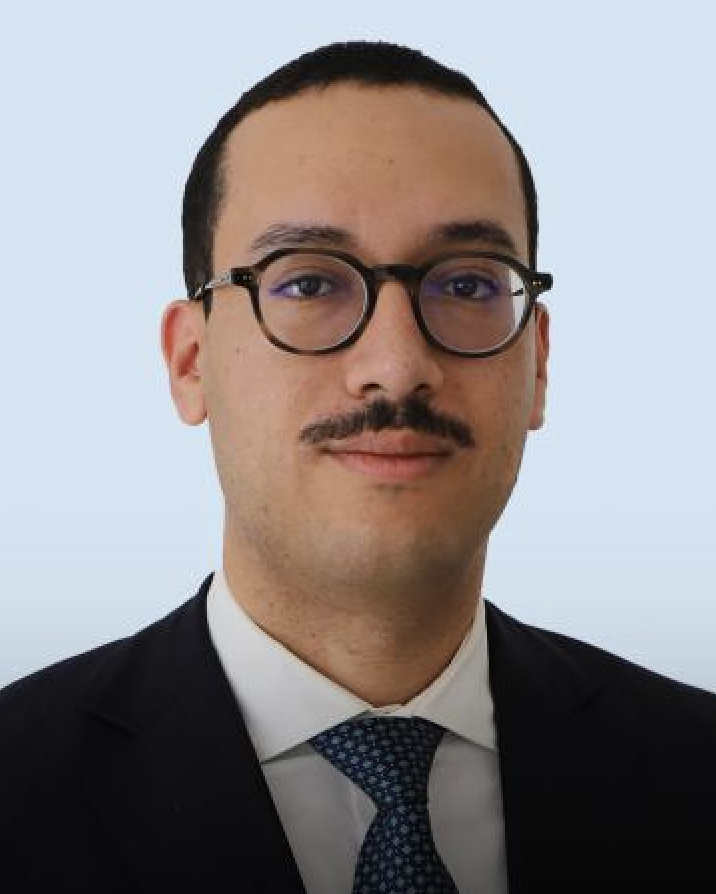
Redouan Najah
Senior International Relations Specialist
Redouan Najah is a Senior International Relations Specialist at the Policy Center for the New South (PCNS).At the PCNS, which he joined in 2019, Redouan Najah conducts research on topics spanning the cyberspace, cyber defense, cybersecurity, Central Africa, and Africa-China relations.Redouan Najah holds a master's degree in Geopolitics and International Relations from University Cadi Ayaad, Marrakech, Morocco, and a bachelor’s degree in Economics and Management, from University Sultan Moulay Slimane, Beni Mellal, Morocco.Redouan is fluent in Arabic and French and has a good knowledge of English. ...

RELATED CONTENT

  • Authors
    Policy Center
    ACET
    ECDPM
    February 15, 2022
    The African Union (AU) and the European Union (EU) have never struggled to list common areas of interest or set up thematic partnerships and joint initiatives. The persistent challenge however is translating these partnerships into impact for both blocs of nations, particularly where interests diverge, such as those related to migration and green transition. Fifteen years since the critical Lisbon summit and the Joint Africa-EU Strategy, the time to move is now. To make the partne ...
  • February 9, 2022
    In a country as stable as Germany, changes of Chancellor are a rarity. Angela Merkel stayed in power for sixteen years, as did Helmut Kohl in his time. The new three-party coalition (Social Democrats, Greens, Liberals) intends to shake up the country. How should Africa approach this new leadership? Can the new government bring momentum to Euro-African relations? Can Berlin bring about a clear understanding of Africa’s development issues and geopolitical subtleties? ...
  • December 27, 2021
    Dans un pays aussi stable que l’Allemagne, les changements de Chancelier sont rares. Angela Merkel est restée seize ans au pouvoir, tout comme en son temps Helmut Kohl. La nouvelle coalition à trois partis (sociaux-démocrates, verts, libéraux) entend faire bouger le pays. Comment l’Afrique doit-elle aborder le nouveau pouvoir ? Celui-ci peut-il insuffler de la dynamique aux relations euro-africaines ? Peut-on attendre de Berlin une appréhension fine des enjeux de développement et de ...
  • Authors
    December 7, 2021
    Ce Policy Brief se propose d’apporter un éclairage sur la nouvelle place du Sud dans les relations internationales et le rôle que peut jouer le Maroc dans cet essor. Il existe, en effet, des opportunités pour le Royaume du Maroc de représenter et d’accompagner son continent d’appartenance, l’Afrique, pour la promotion des narratifs alternatifs, notamment sur les questions du changement climatique et de la migration. ...
  • Authors
    December 6, 2021
    Between January 2020 and June 2021, the world spent about US $16.5 trillion (18% of world GDP) to fight COVID-19, and this amount does not even include the most important losses such as deaths, mental health effects, restrictions on human freedom, and other nonmonetary suffering. Nearly 90% of this amount was spent by developed economies; the rest by emerging market and developing economies. Low-income countries spent just US $12.5 billion, or less than 0.0001% of the total. Moreove ...
  • November 30, 2021
    Pourquoi ce thème ? Pourquoi, alors que nous traversons une pandémie sans précédent, l'auteur a-t-il décidé de comprendre les liens entre la Chine, l'espace arabo-africain et les nouvelles routes de la soie ? À cause du Covid-19, le monde se trouve à un tournant historique et stratégique du processus de mondialisation. Selon ses observations (comme homme politique), cette pandémie est bien plus qu'une crise sanitaire, c'est une crise globale qui a des impacts sociaux, économiques, ...
  • Authors
    Dominique Lecompte
    Thierry Vircoulon
    November 26, 2021
    Bien qu’il soit assez largement passé inaperçu en France, l’accord signé le 3 décembre 2020 entre l’Union européenne (UE) et l’Organisation des États d’Afrique, des Caraïbes et du Pacifique (ACP) représente un virage important dans les relations anciennes entre l’UE et les pays du Sud. Cette dernière a développé une politique d’aide dès le Traité de Rome en 1957, a signé le premier accord de coopération en 1963 et est aujourd’hui souvent le premier bailleur de ces pays, notamment en ...