The Future of Central Banking: Crypto, AI, and Monetary Policies

January 13, 2026

Central banks are facing a new era where crypto and AI are reshaping how money is managed. Traditional monetary policies are evolving to meet these technological and financial challenges. This episode explores the risks, opportunities, and innovations redefining the future of finance. Discover how technology is transforming the heart of global economic decision-making.

Speakers
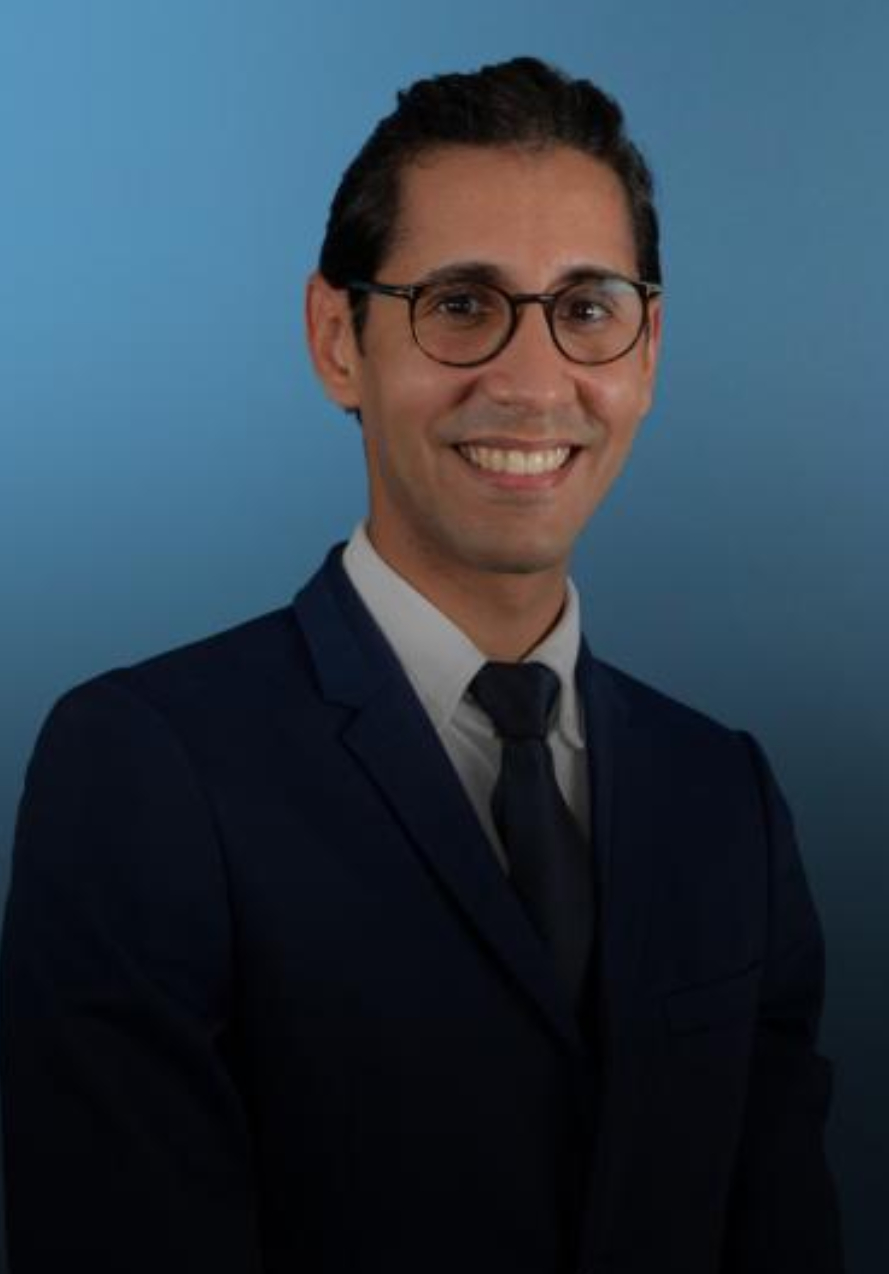
Ahmed Ouhnini
Economist, Policy Center for the New South
Ahmed Ouhnini is an Economist at the Policy Center for the New South. His research area covers agricultural economics, human and social development. Previously, he has worked as a researcher at the Paris School of Economics (PSE) and has also a record of working in consulting services in Morocco. Ahmed holds an engineering Diploma in Agriculture and Rural Development from the National School of Agriculture of Meknes and a Master’s Degree in Law, Economics and Management from the Paris 1 Pantheon Sorbonne Institute of Development. ...
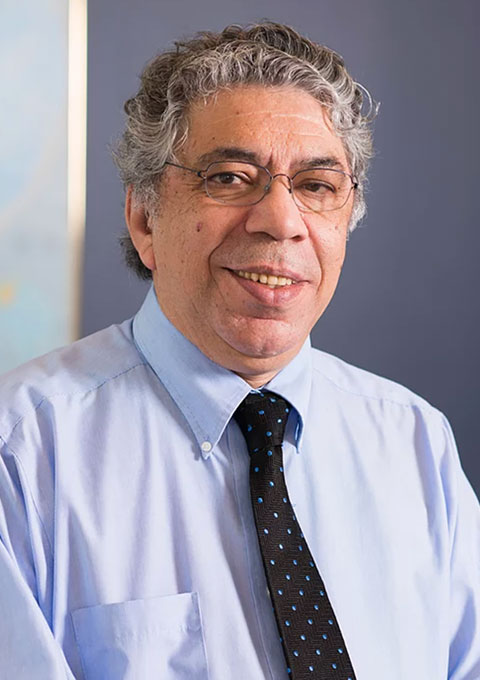
Otaviano Canuto
Senior Fellow
Senior Fellow at the Policy Center for the New South, Affiliate Professor at Mohammed VI Polytechnic University and Non-Resident Senior Fellow at Brookings Institute. Former Vice President and Executive Director at the World Bank, Executive Director at the International Monetary Fund (IMF) and Vice President at the Inter-American Development Bank. ...

RELATED CONTENT

  • Authors
    May 10, 2018
    The April issue of the IMF’s “World Economic Outlook (WEO)” included a chapter on how globalization has helped knowledge from technology leaders spread faster than before. Cross-border technological diffusion has not only contributed to rising domestic productivity levels in advanced and emerging economies, but also facilitated a partial reshaping of the technological innovation landscape, with some recipients becoming new significant sources of research and development (R&D) an ...
  • Authors
    March 7, 2018
    Brazilian conditional cash transfers are small amounts of money the government distributes directly to very poor households on condition that their children attend school and are vaccinated. The money goes to the women of the household, because research undertaken in the 1990s – and later confirmed in other countries – showed an increase in babies' height and weight when women have more control over household income. Greater control over household resources by women can strengthen a ...
  • Authors
    December 15, 2017
    The In-focus session about Jobless Growth during the Atlantic Dialogues on December 14th led to a passionate debate on the future impact of jobless growth on Africa as well as the world economy. « Jobless growth » was coined by the American economist Nick Perna (Yale) in the early 1990s. The causes of this phenomenon are highly discussed. For instance, automation is seen as the main source of jobless growth by some economists while others argue that it falls into a «&nbsp ...
  • December 14, 2017
    Moderator: Jordi Bacaria, General Director, Barcelona Centre for International Affairs - Newai Gebre-ab, Executive Director, Ethiopian Development Research Institute, former Chief Economic Adviser to the Prime Minister of Ethiopia - Paulo Neves, President, Institute for the Promotion of...
  • December 12, 2017
    Infrastructure development is a key factor for growth and an essential catalyst for sustainable and socially inclusive development. The emergence of a large middle-class on the African continent is driving the demand for socio-economic infrastructure including access to water and sanita...
  • Authors
    November 28, 2017
    After many decades of expansion, incomes and standards of living have never been better in many parts of the world. Yet, global trade and the prospects of growth still seem uncertain, and protectionism seems to be on the rise. In developed countries, there is anxiety over the loss of the manufacturing jobs that once absorbed a large share of the labor force and created a middle class that formed the core of democracy. Most middle-income countries have not yet been able to make the t ...