(FR) Textile and Apparel Industry in Morocco

June 1, 2026

Cette interview met en lumière le rôle central du secteur textile et de l’habillement dans l’économie marocaine, tant en matière d’emploi que d’exportations. Notre économiste, Mr. Fahd Azeroual revient sur son évolution historique, ses principaux défis, notamment la dépendance aux importations et la concurrence internationale, ainsi que les pistes pour renforcer sa compétitivité. Il souligne enfin l’importance de développer davantage de valeur ajoutée locale, d’investir dans l’innovation et de diversifier les marchés d’exportation afin de construire une industrie plus résiliente et durable.

Speakers
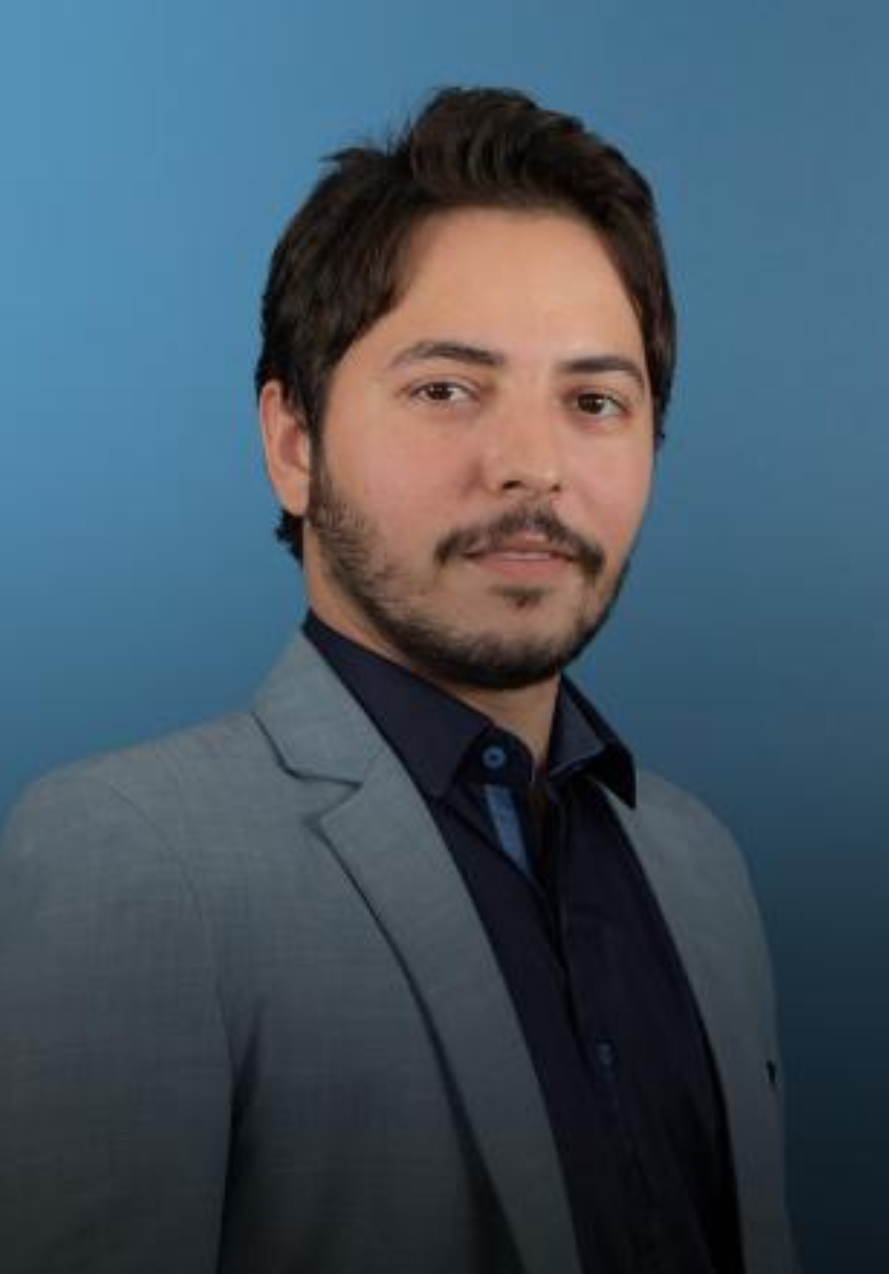
Fahd Azaroual
Economist
Fahd Azaroual is an Economist at the Policy Center for the New South. His research areas cover macroeconomics. He is currently working on themes related to Economic growth and business cycles. Fahd holds a master’s degree in applied economics and is currently a PhD student at Mohammed V University in Rabat. he joined the Policy Center for the New South in October 2019. ...
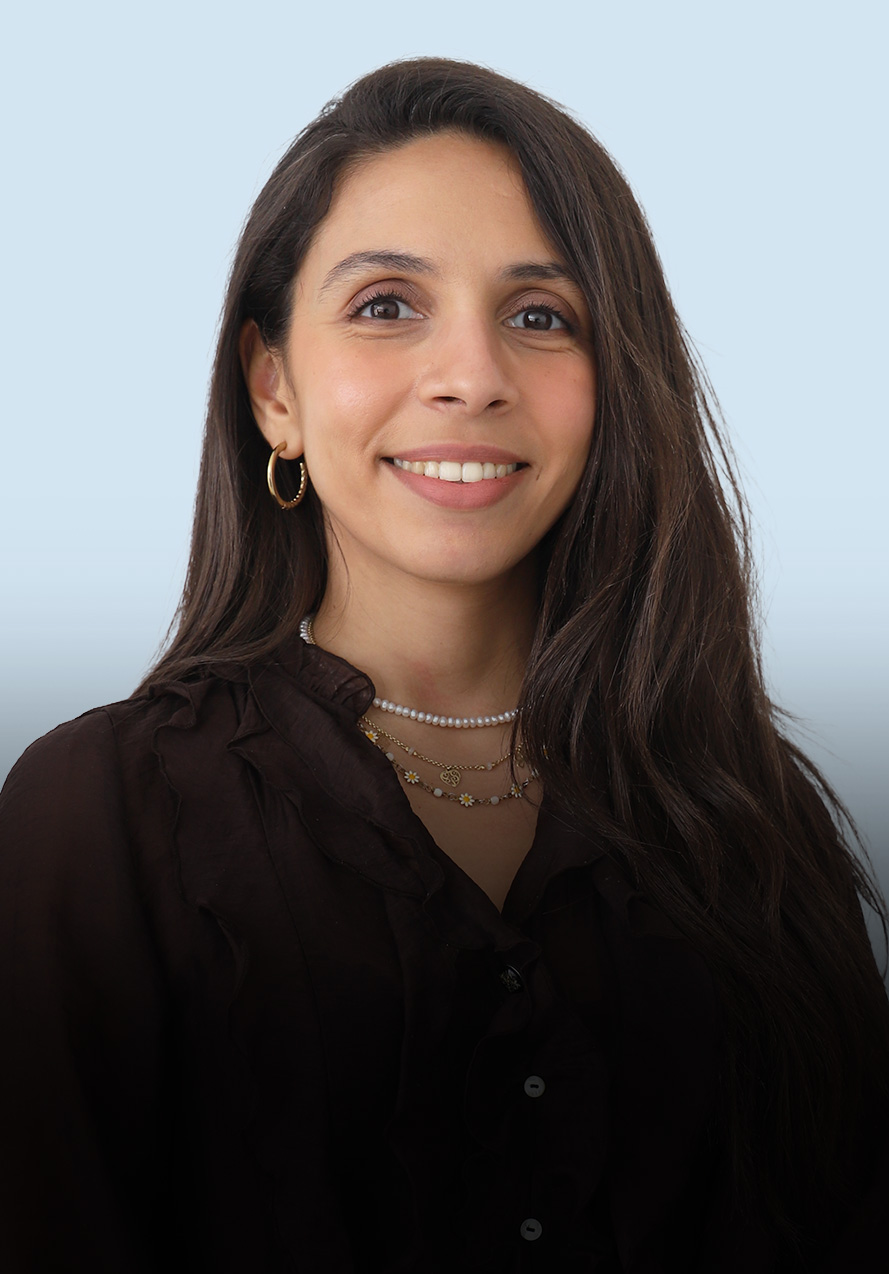
Rim Berahab
Senior Economist
Rim Berahab is Senior Economist at the Policy Center for the New South, which she joined in 2014. She is currently working on themes related to energy issues and their impacts on economic growth and long-term development. Her research areas also cover trade and regional integration challenges in Africa. Previously, she has also worked on questions related to gender inequalities in the labor market of North African countries. Rim spent three months at the International Monetary Fund (IMF), in 2016, in the Commodities Unit of the Research Department. She holds a State Engineering degree from the National Institute of Statistics and Applied Economics (INSEA). ...
RELATED CONTENT

  • Authors
    March 25, 2015
    The strategy to vertically integrate mining producers requires the identification of the right conditions for its financing. Many approaches are possible and the technique of securitization, although widely stigmatized since the financial crisis of 2008, must be considered. Several conditions are however necessary. It is unlikely that the off-balance sheet securitization is currently positioned as an important means to finance this sector’s production capacity. Whatever the scope of ...
  • Authors
    February 10, 2015
    Manufacturing is declining as a share of GDP not only in advanced countries, but in developing countries as well. This new trend, a result of complex forces, should be seen on balance as a reason for development-optimism, not pessimism. In the 21st century economy, manufacturing remains important, but poor countries can attract investment, grow rapidly and diversify away from agriculture on the basis of many possible sources of comparative advantage, without artificially promoting m ...
  • Authors
    Pierre-Richard Agénor
    January 24, 2015
    L’économie marocaine fait actuellement face au risque de se retrouver « prise en tenaille », entre, d’un côté les pays à faible revenu en croissance rapide, bénéficiant d’une main-d’oeuvre abondante et bon marché, et, de l’autre, les pays à moyen revenu, capables d’innover rapidement. De plus, les investissements massifs de la Chine en Afrique subsaharienne ont contribué à accélérer la participation de certains pays de cette région à la nouvelle division internationale du travail, p ...
  • Authors
    Pierre-Richard Agénor
    January 24, 2015
    The Moroccan economy is currently facing the risk of becoming caught between the rapid-growing low-income countries with abundant and cheap labor, and middle-income countries that are able to innovate quickly. In addition, China’s massive investments in Sub-Saharan Africa have accelerated the participation of some countries in the region in a new international division of labor, especially in low-skill-intensive light manufacturing. In parallel, through the structure of its trade a ...
  • Authors
    Pierre-Richard Agénor
    January 24, 2015
    OCP Policy Center est ravi de recueillir vos commentaires et d’engager la discussion autour de la publication de son dernier livre sur la stratégie de croissance du Maroc à l’horizon 2025 dans un environnement international en mutation, co-écrit par Pierre Richard Agénor et Karim El Aynaoui. L’économie marocaine fait actuellement face au risque de se retrouver « prise en tenaille », entre, d’un côté les pays à faible revenu en croissance rapide, bénéficiant d’une main-d’œuvre abond ...
  • Authors
    L'environnement dans lequel fonctionnent les systèmes financiers des pays arabes du Sud de la Méditerranée (PASM)1 a changé ces deux dernières décennies. Ces systèmes pays ont connu de profondes mutations depuis le déclenchement de la crise financière internationale. Certes ils n’ont pas subi de conséquences directes de la crise, mais la dégradation de la croissance mondiale a eu des effets majeurs sur les économies de ces pays. Les tensions politiques de la région ont aussi forteme ...