(FR) Gender dynamics and empowerment in Morocco

April 28, 2026

Cet épisode met en lumière les dynamiques de genre au Maroc, en soulignant l’écart entre les avancées juridiques et leur application concrète. Il aborde la baisse de la participation des femmes au marché du travail, liée à des contraintes multiples, ainsi que la faible reconnaissance du travail domestique. La discussion interroge enfin les limites institutionnelles freinant l’accès des femmes à un réel pouvoir d’influence.

Speakers
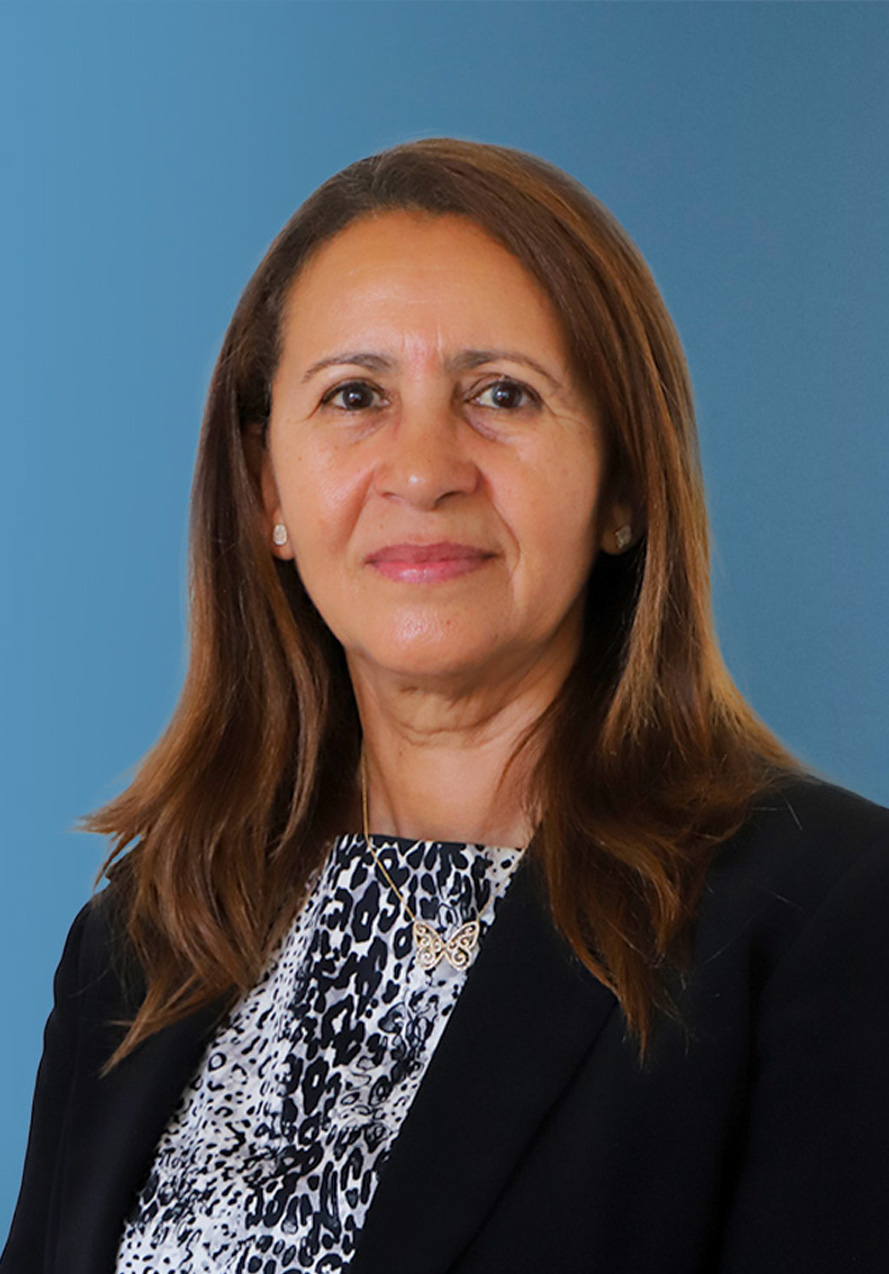
Nouzha Chekrouni
Senior Fellow
Dr. Nouzha Chekrouni is a Senior Fellow at the Policy Center for the New South. She has extensive experience in academia, diplomacy and political leadership.  She has served as His Majesty’s Ambassador to Canada (2009-2016), and Dean of the Council of Arab League Ambassadors to Canada (2015-2016). Dr. Chekrouni was Minister for the Moroccan Community Living Abroad (2002-2007), a Member of Parliament (2002-2007), and the Minister for Women and Social Issues (1998-2002). She holds a Bachelor Degree from the Philological Faculty at the University of Fez, a Post-Graduate Diploma and a PhD in Linguistics from the Université Sorbonne Nouvelle in Paris. Dr. Chekrouni has also completed a Certificate in Ethics and International Relations at Harvard University. She is a 2016 Sen ...
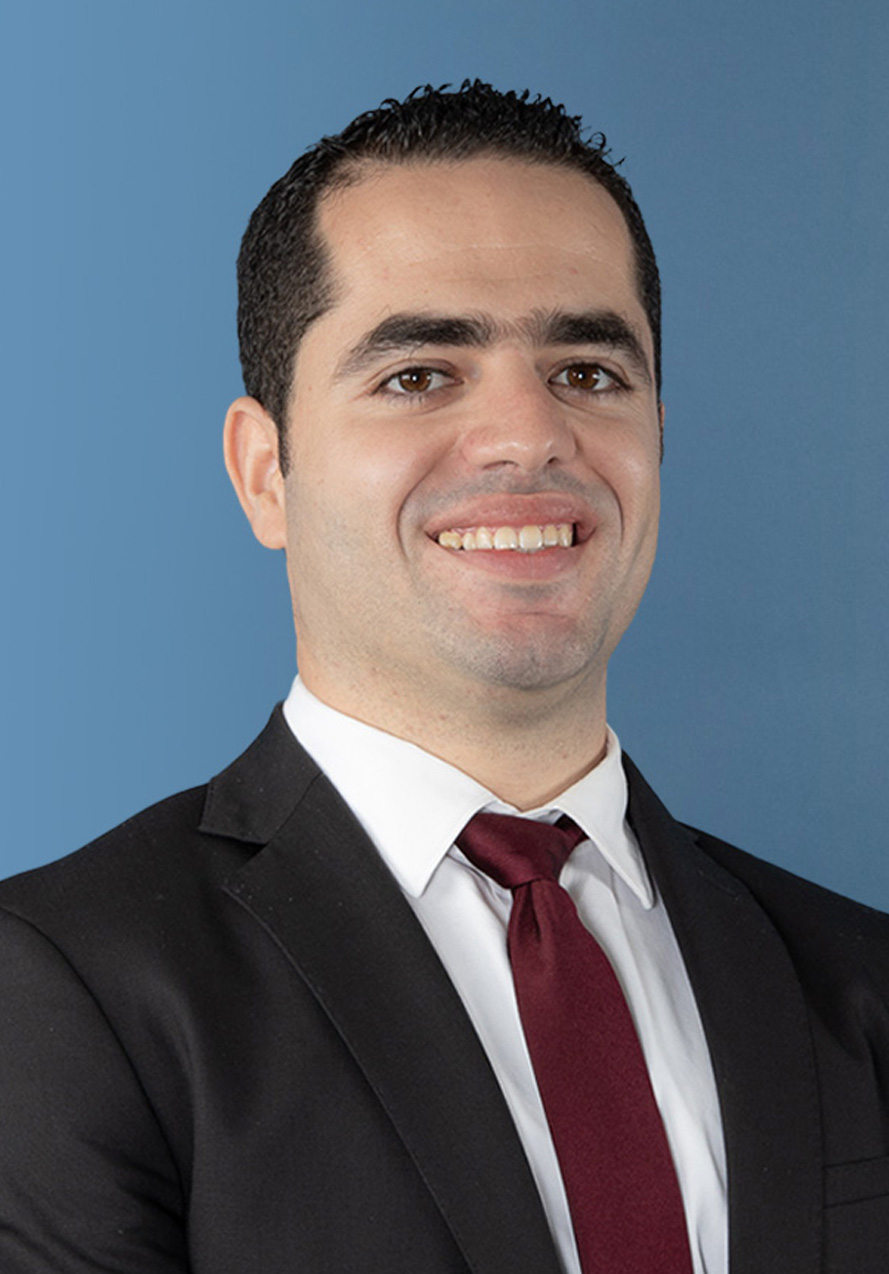
Hamza Saoudi
Senior Economist
Hamza Saoudi is a Senior Economist at the Policy Center for the New South (PCNS).At the PCNS, Hamza Saoudi conducts research on labor market dynamics, social protection systems, and inclusive growth, with a particular focus on Morocco and Africa. He is also interested in macroeconomic stabilization policies, international trade, and long-term economic development.He has contributed to PCNS projects and publications addressing informality, social protection, and inequality in developing economies.He also served as the project coordinator of the Oxford Handbook of the Moroccan Economy, published by Oxford University Press in 2026.Before joining the PCNS in 2017, Hamza Saoudi contributed to the development of quantitative models for bank credit risk management.Hamza Saoudi holds ...

RELATED CONTENT

  • Authors
    February 14, 2024
    Greater female participation in the labor market and in international trade have been recognized as important drivers for economic growth and essential targets in the context of the United Nations Sustainable Development Goals (SDGs). However, achieving both targets simultaneously will be difficult, if not impossible, in most Middle East and North African (MENA) countries without additional policies to eliminate the remarkably high levels of gender inequality in the labor market. I ...
  • November 21, 2023
    اكتسبت حملة الستة عشر يوماً العالمية لمناهضة العنف القائم على النوع الاجتماعي والتي أطلقها مركز القيادة العالمية للمرأة في معهده العالمي الأول للقيادة النسائية في عام 1991 قوة جذب في أكثر من 187 دولة بمشاركة أكثر من 6،000 منظمة. إذ أن العنف القائم على النوع الاجتماعي من المشاكل الواسعة ...
  • Authors
    Jean Louis-Sarbib
    October 18, 2023
    Addressing inequalities in all their forms has emerged as one of the major global challenges faced by numerous countries across the globe, particularly in Africa. In a context where Africa faces many pressing challenges that are the subject of much analysis (Sarbib et al. 2022), there is a clear gap in conducting comprehensive reviews focused on inequalities, partly due to the lack of available data. Inequalities, which are both consequences and partial causes of poor development o ...
  • Authors
    Hajar Kabbach
    March 9, 2023
    Gender disparities in the labor market persist as a serious challenge, resulting in lower participation rates for women than men. This gender gap in labor force participation varies considerably across regions, with female participation rates consistently lagging men. After some progress during the last few decades, the multiple crises faced by the global economy in recent times – pandemic, the war in Ukraine, rising risks of climate change, and slowing growth after high inflation ...
  • Authors
    March 8, 2023
    Nous célébrons, le 8 mars de chaque année, la Journée internationale des droits de la femme. En cette occasion, il est utile de rappeler quelques faits stylisés et observations d’ordre général sur la position qu’occupe la femme dans l’économie marocaine. Face aux constats que l’on dressera ci-dessous, le moins que l’on puisse dire est que l’instant n’est pas à la célébration mais à l’action : la participation de la femme marocaine à l’activité économique demeure relativement fa ...
  • Authors
    Lex Paulson
    November 30, 2021
    On 16 December 2019, the Honorable Chakib Benmoussa, then Morocco’s ambassador to France, gathered 35 fellow citizens in a conference room at the Royal Academy in the leafy outskirts of Rabat. The three dozen members of the Commission spéciale sur le modèle de développement (CSMD) had been selected for their scientific, economic and political expertise, as well as eminence in the cultural and non-profit sectors. The Commission’s mandate, given by King Mohammed VI, was a daunting one ...
  • Authors
    October 18, 2021
    If any proof was needed that change was in the air and repression on the horizon, it was in the center of Kabul: a simple sign was changed, the Ministry of Women’s Affairs was turned into the Ministry for the Promotion of Virtues and Prevention of Vice. This was nothing less than the return of the Taliban’s moral police, well remembered by the older population, ready to enforce a harsh interpretation of the religious law, the Sharia, including stoning, amputation, lashing, and publi ...
  • July 14, 2021
    Otaviano Canuto, Policy Center for the New South Empirical evidence shows that gender inequality, including from legal gender-related restrictions, leads to the loss of growth opportunities, particularly in countries at earlier stages of development. The adverse effect of legal barriers...