Emerging Powers and the Remaking of Global Order

October 15, 2026

The Policy Center for the New South, in partnership with The Asian Network, is organizing a webinar titled “Emerging Powers and the Remaking of Global Order” to examine the growing role of emerging powers and the Global South at a time of profound transformation in the international system.

As power becomes more diffuse, economic gravity shifts, multilateralism comes under pressure, and strategic competition intensifies, countries across Asia, Africa, the Gulf, and Latin America are seeking greater strategic autonomy, strengthening South-South trade and investment, advancing digital and green transitions, and calling for greater representation in global governance.

These ambitions, however, unfold against significant challenges, including debt vulnerabilities, climate exposure, geopolitical pressures, technological dependencies, and gaps in institutional reform.

Against this backdrop, the webinar will explore how emerging powers and countries of the Global South are navigating these transformations and contributing to the next phase of global governance. It will also examine the opportunities and constraints shaping their growing role and the forms of cooperation and institutional adaptation that could emerge as the international order continues to evolve.
Speakers
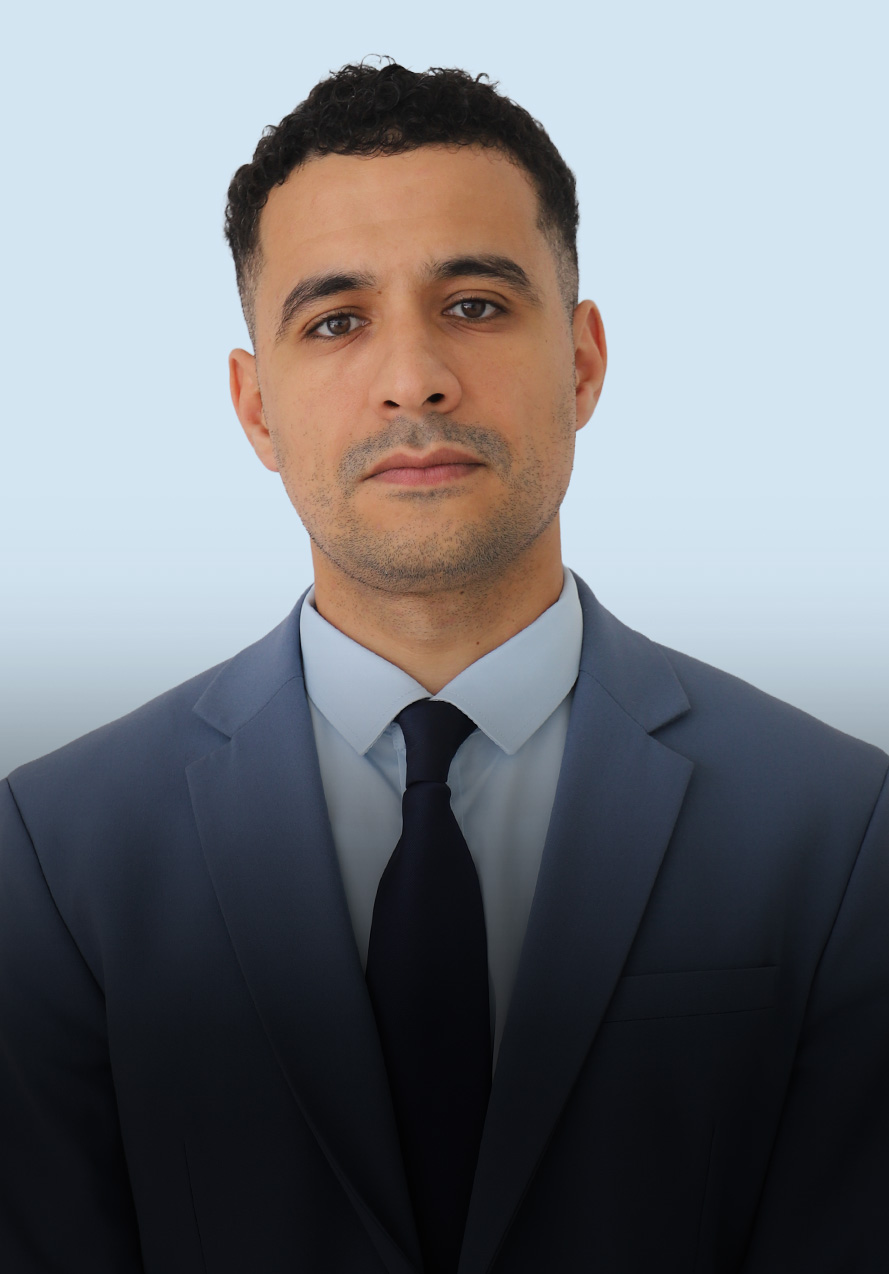
Bilal Mahli
International Relations Specialist
Bilal Mahli is an International Relations Specialist at the Strategic Analysis & Monitoring Unit of the Policy Center for the New South. His research focuses on Europe and the Middle East, analyzing geopolitical dynamics, policy development, and governance in these regions. Bilal holds a bachelor’s degree in International Relations from the Rhine-Waal University of Applied Sciences in Kleve, Germany, and a master’s degree in Political Science from the University of Cologne, Germany. He has previously worked in national public institutions in Germany, contributing to policy analysis and development. ...
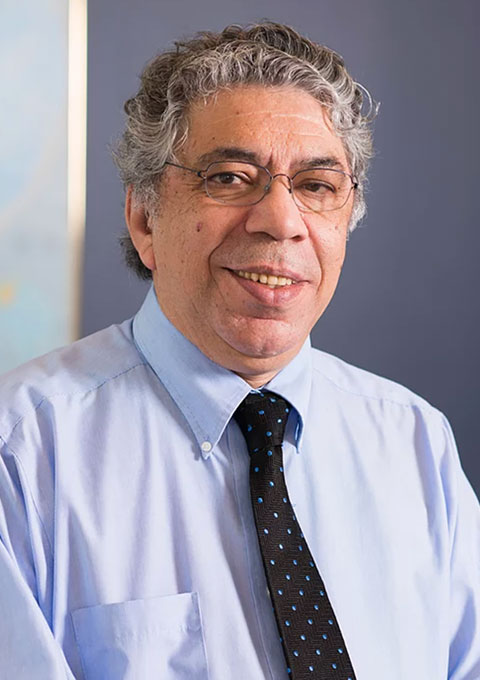
Otaviano Canuto
Senior Fellow
Senior Fellow at the Policy Center for the New South, Affiliate Professor at Mohammed VI Polytechnic University and Non-Resident Senior Fellow at Brookings Institute. Former Vice President and Executive Director at the World Bank, Executive Director at the International Monetary Fund (IMF) and Vice President at the Inter-American Development Bank. ...
Shofwan Al Banna
Associate Professor at the Department of International Relations, Universitas Indonesia
...

RELATED CONTENT

  • Authors
    Ian Lesser
    November 18, 2013
    This policy brief argues for a closer relationship between Morocco and the United States. Morocco’s geo-economic position is evolving in ways that will shape U.S. and international interests in the country and open new avenues for cooperation. Key drivers of change in this context include Morocco’s stake in greater economic integration in the Maghreb, a growing role in Africa, new energy and infrastructure projects, and the emergence of Morocco as a hub for communications around th ...
  • Authors
    Emiliano Alessandri
    William Inboden
    Dhruva Jaishankar
    Joseph Quinlan
    Andrew Small
    Amy Studdart
    December 1, 2012
    This policy paper examines the role of China and India in Latin America and Africa, and the implications for the United States and Europe. China and India have arrived as active players in the Southern Atlantic space. Their economic presence is expanding rapidly, with a focus on their acquisition of — and access to — raw materials such as fossil fuels, minerals, and agricultural commodities. The political and security implications of their arrival in the region is only now coming u ...
  • Authors
    Kassim Bouhou
    September 17, 2010
    Before the 9/11 events, US-Maghreb relations were growing stronger, especially after the United States had long left the floor to the Maghreb’s “natural” European partner. Therefore the American action in this region was in line with a mechanism previously set off by Clinton Administration member, Stuart Eizenstat, which aimed at reducing intra regional obstacles and stimulating American investments towards an area where Americans were little-represented. Hence Washington seemed mor ...