Emerging Powers and the Remaking of Global Order

October 15, 2026

The Policy Center for the New South, in partnership with The Asian Network, is organizing a webinar titled “Emerging Powers and the Remaking of Global Order” to examine the growing role of emerging powers and the Global South at a time of profound transformation in the international system.

As power becomes more diffuse, economic gravity shifts, multilateralism comes under pressure, and strategic competition intensifies, countries across Asia, Africa, the Gulf, and Latin America are seeking greater strategic autonomy, strengthening South-South trade and investment, advancing digital and green transitions, and calling for greater representation in global governance.

These ambitions, however, unfold against significant challenges, including debt vulnerabilities, climate exposure, geopolitical pressures, technological dependencies, and gaps in institutional reform.

Against this backdrop, the webinar will explore how emerging powers and countries of the Global South are navigating these transformations and contributing to the next phase of global governance. It will also examine the opportunities and constraints shaping their growing role and the forms of cooperation and institutional adaptation that could emerge as the international order continues to evolve.
Speakers
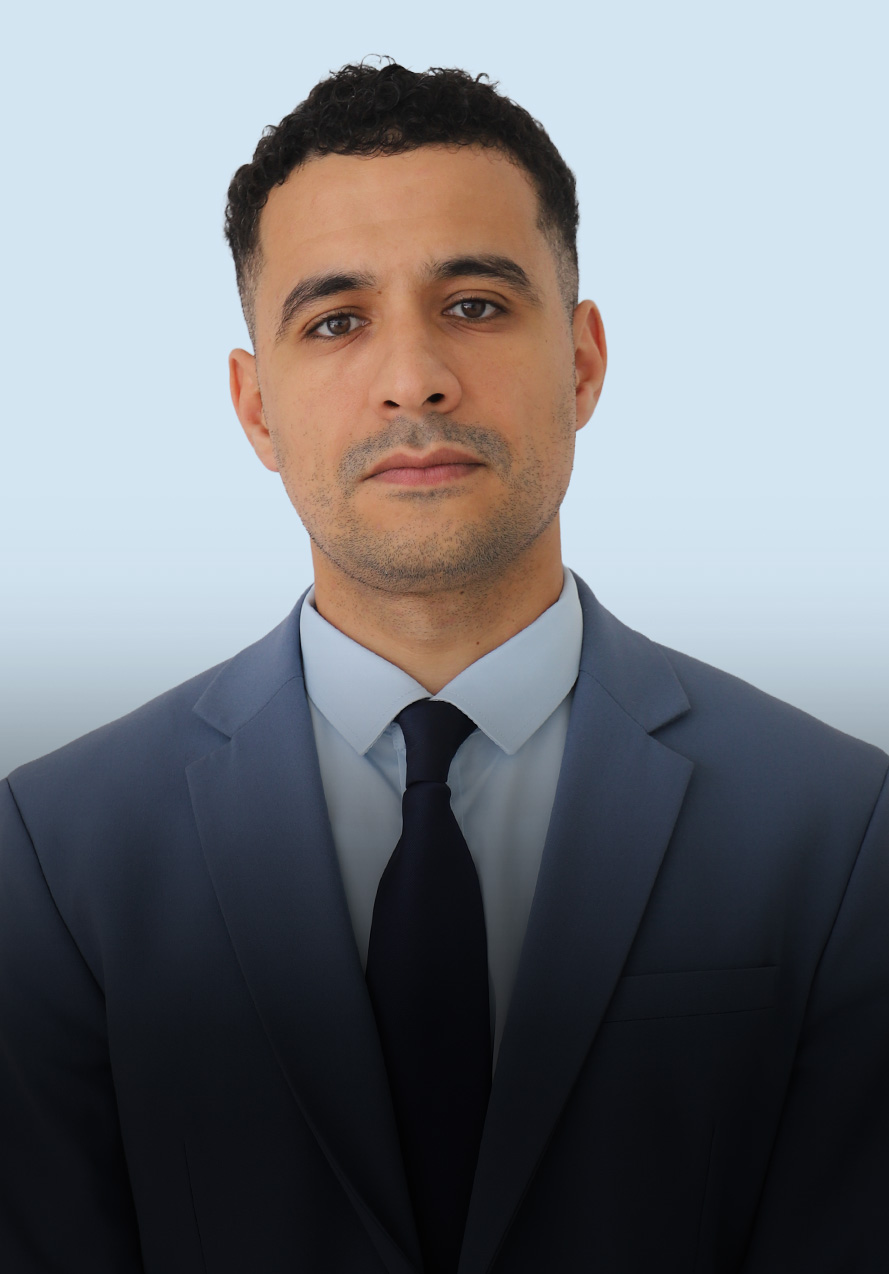
Bilal Mahli
International Relations Specialist
Bilal Mahli is an International Relations Specialist at the Strategic Analysis & Monitoring Unit of the Policy Center for the New South. His research focuses on Europe and the Middle East, analyzing geopolitical dynamics, policy development, and governance in these regions. Bilal holds a bachelor’s degree in International Relations from the Rhine-Waal University of Applied Sciences in Kleve, Germany, and a master’s degree in Political Science from the University of Cologne, Germany. He has previously worked in national public institutions in Germany, contributing to policy analysis and development. ...
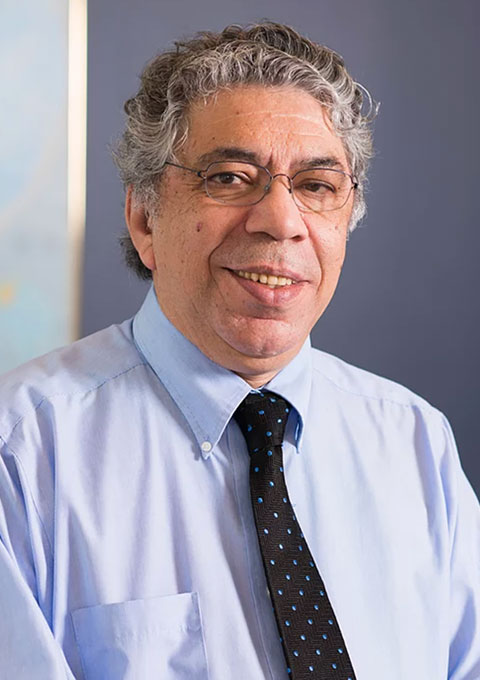
Otaviano Canuto
Senior Fellow
Senior Fellow at the Policy Center for the New South, Affiliate Professor at Mohammed VI Polytechnic University and Non-Resident Senior Fellow at Brookings Institute. Former Vice President and Executive Director at the World Bank, Executive Director at the International Monetary Fund (IMF) and Vice President at the Inter-American Development Bank. ...
Shofwan Al Banna
Associate Professor at the Department of International Relations, Universitas Indonesia
...

RELATED CONTENT

  • October 15, 2026
    The Policy Center for the New South, in partnership with The Asian Network, is organizing a webinar titled “Emerging Powers and the Remaking of Global Order” to examine the growing role of emerging powers and the Global South at a time of profound transformation in the international sys...
  • Authors
    Paul Isbell
    October 9, 2026
    In the first seven Policy Briefs of this ongoing series of analysis on Pan-Atlanticism: The Atlantic Basin in a Multipolar-Transnational World, we developed the argument that the strategic significance of the Atlantic Basin is on the rise for a range of international actors (states, regions and non-state agents) and from distinct political or ideological perspectives. In addition, in the most recently published Policy Brief -- “The U.S. and the Current International Reconfiguration: ...
  • October 7, 2026
    Brazil's election poses a question that extends well beyond Latin America: how much freedom does a country retain to define its international role when external pressure collides with domestic political exhaustion? For the Global South, the answer matters more than any foreign government's preference regarding the next occupant of the presidential palace. Strategic autonomy remains fragile if every change of government puts a country's freedom of action back up for negotiation. ...
  • October 02, 2026
    Building on his Policy Brief "Latin America, World Politics and the Great Powers", Nizar Messari examines how recent developments are reshaping U.S. influence in the region and affecting ...
  • Authors
    September 30, 2026
    You can imagine how often I've been asked to comment on where the Brazilian economy is headed after the election. With polls pointing to a runoff on October 25 and currently showing a statistical tie between Luiz Inácio Lula da Silva and Flávio Bolsonaro in vote simulations, I'm naturally asked about their economic programs and about the country's relations with the United States. ...
  • August 3, 2026
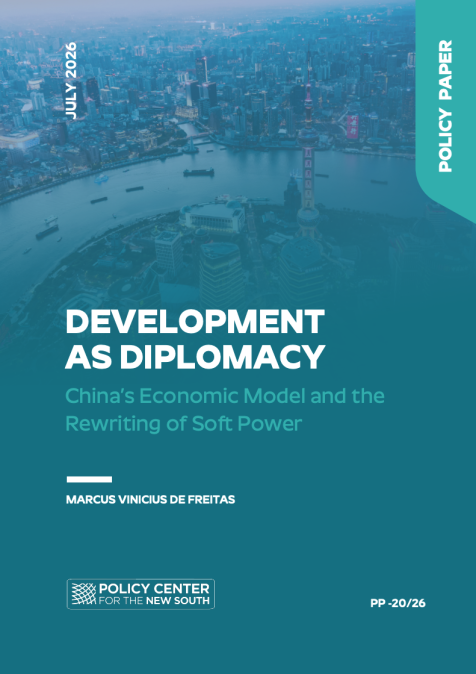
    This policy paper explores how China’s economic development model—rooted in pragmatism, long-term planning, and civilizational renewal—has become its most compelling soft power asset, particularly in the eyes of the Global South. While critically engaging with Joseph Nye’s original conception of soft power as a primarily cultural and normative force, the paper argues that China’s ability to transform itself from an impoverished postimperial state into the world’s largest trading nat ...
  • Authors
    Jorge Arbache
    October 9, 2025
    Conventional wisdom holds that the United States has undergone massive deindustrialization in recent decades, with the country's manufacturing sector supposedly withering as it lost ground to China. This narrative has fueled debates about industrial policy, economic nationalism, and the reshoring of manufacturing production. But what if this story is only partially true? What if, instead of disappearing, American industry simply changed its address?  ...
  • September 28, 2022
    Despite the United States' disastrous record in both Iraq and Afghanistan, President Joe Biden is right in asserting that the world faces a confrontation between autocracy and freedom. And that a choice will ultimately have to be made. This makes people cringe, particularly in Europe, which remains polarized on the subject. ...
  • September 7, 2022
    Le président des États-Unis, Joe Biden, malgré les états de service catastrophiques de son pays en Irak ou en Afghanistan, n’a pas tort d’affirmer que le monde va vers un affrontement entre l’autocratie et la liberté. Et, qu’en fin de compte, il va falloir choisir. Cela fait grincer des dents, surtout en Europe qui est divisée sur le sujet. ...