Brussels Forum 2016 - Global Economic Shifts and Power Relationships

March 31, 2016

In the context of the strategic partnership between OCP Policy Center and the German Marshall Fund of the United States, the Policy Center is a key partner for the Brussels Forum organized by GMF.

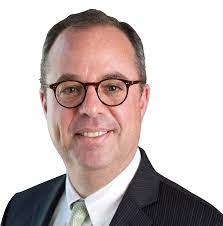
- Dr. Karim El Aynaoui, Managing Director, OCP Policy Center

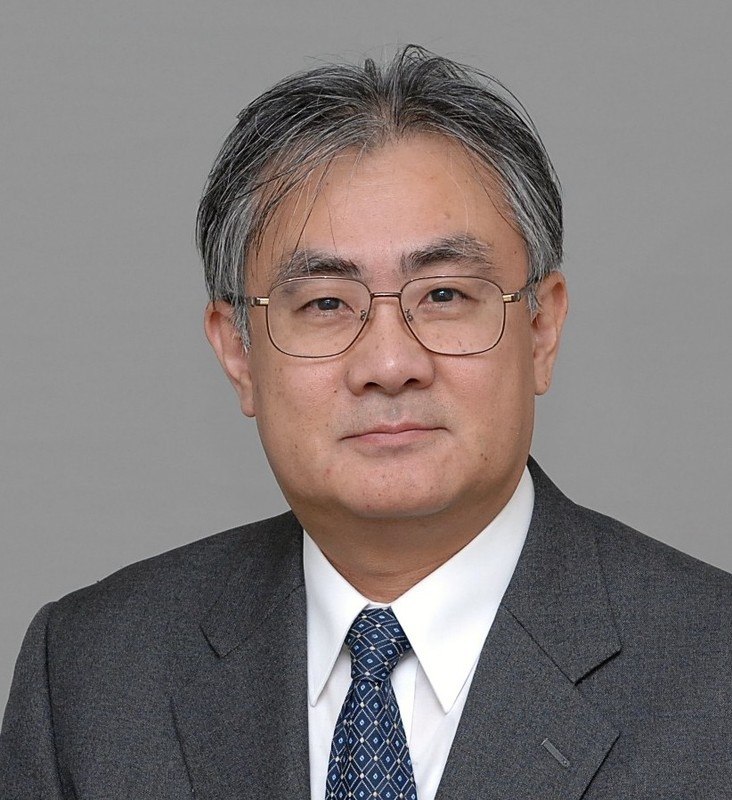
- Amb. Masafumi Ishii, Ambassador to Belgium and Representative of the Government of Japan to NATO

- Mr. Pascal Lamy, President Emeritus, Jacques Delors Institute

- Dr. James Steinberg, Dean, Maxwell School of Citizenship and Public Affairs Syracuse University

Moderator: Mr. Peter Spiegel, Brussels Bureau Chief, Financial Times

Speakers
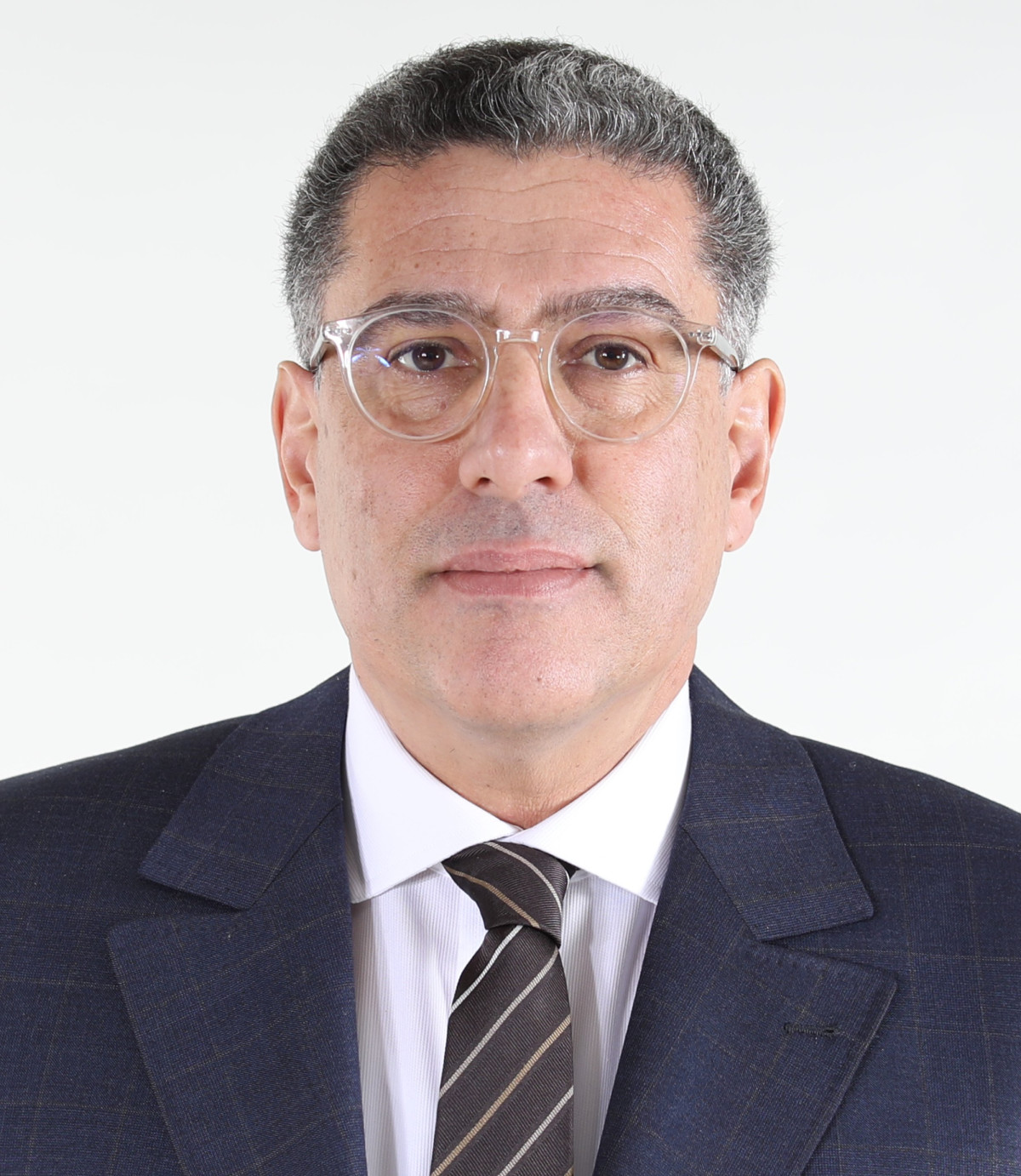
Karim El Aynaoui
Executive President
Karim El Aynaoui is Executive President of the Policy Center for the New South. He is also Executive Vice-President of Mohammed VI Polytechnic University and Dean of its Humanities, Economics and Social Sciences Cluster. From 2005 to 2012, he worked at the Central Bank of Morocco (Bank Al-Maghrib) as Director of Economics, Statistics, and International Relations. He also created and headed the Research Department and served as a member of the Governor’s Cabinet. Previously, he worked for eight years at the World Bank as an economist for its regional units of the Middle East and North Africa and Africa. Karim El Aynaoui has published books and journal articles on macroeconomic issues in developing countries. He has co-authored works on growth and the labor market in M ...
Masafumi Ishii
Ambassador to Belgium and Representative of the Government of Japan to NATO
...
Pascal Lamy
Ancien commissaire européen et ancien directeur général de l'OMC
M. Lamy est diplômé de l'École des Hautes Études Commerciales (HEC) de Paris, de l'Institut d'Études Politiques (IEP) et de l'École Nationale d'Administration (ENA). Il commence sa carrière dans la fonction publique française à l'Inspection générale des Finances et au Trésor. Il devient ensuite conseiller du Ministre des finances, M. Jacques Delors, puis du Premier Ministre M. Pierre Mauroy.  À Bruxelles de 1985 à 1994, Pascal Lamy exerce les fonctions de Directeur de Cabinet du Président de la Commission européenne, M. Jacques Delors, dont il est le représentant en qualité de “sherpa” au G-7.  En novembre 1994, il rejoint l'équipe chargée du redressement d'une banque française, le Crédit Lyonnais. Il devient ensuite le Directeur général de la banque jusq ...

James Steinberg
Dean, Maxwell School of Citizenship and Public Affairs Syracuse University
...

RELATED CONTENT

  • August 3, 2026
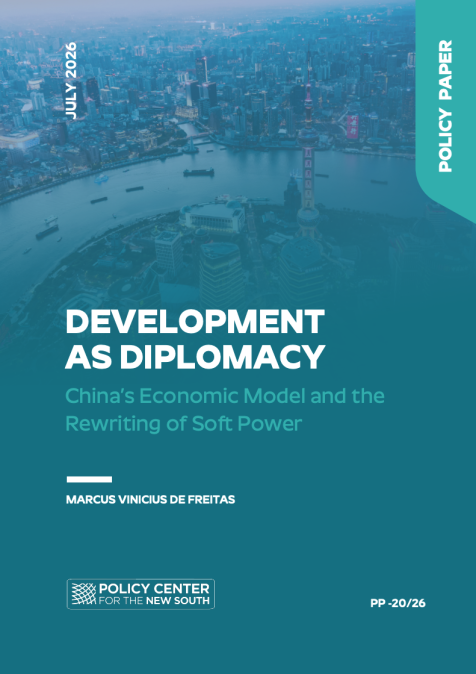
    This policy paper explores how China’s economic development model—rooted in pragmatism, long-term planning, and civilizational renewal—has become its most compelling soft power asset, particularly in the eyes of the Global South. While critically engaging with Joseph Nye’s original conception of soft power as a primarily cultural and normative force, the paper argues that China’s ability to transform itself from an impoverished postimperial state into the world’s largest trading nat ...
  • July 3, 2026
    Ce Policy Paper a également été publiée en anglais et en espagnol par Le Grand Continent Le Maroc offre un exemple éclairant parmi les pays à revenu intermédiaire, dans un contexte marqué par une fragmentation croissante de l’environnement international, une croissance mondiale atone et un ralentissement de la convergence. Depuis 2022, sa trajectoire se distingue par une certaine robustesse, avec un rythme d’expansion supérieur à celui des autres économies de même catégorie. Dé ...
  • July 3, 2026
    Este Policy Paper también ha sido publicado en inglés y francés por Le Grand Continent La economía marroquí constituye un caso ilustrativo entre las economías de renta media, en un contexto marcado por una creciente fragmentación del entorno internacional, un crecimiento mundial anémico y una desaceleración de la convergencia. Desde 2022, su trayectoria se caracteriza por una relativa solidez, con un crecimiento superior a la media de las economías de la misma categoría. Superi ...
  • July 3, 2026
    This Policy Paper has also been published in French and Spanish by Le Grand Continent Morocco offers a compelling example of how a middle-income economy can navigate a more fragmented global environment, characterized by weak growth and slower convergence. Since 2022, economic activity has remained relatively strong, with growth exceeding that of many comparable economies. Non-agricultural growth has averaged 4.4% since 2022, around 1.3 percentage points above its historical av ...
  • June 22, 2026
    History devotes considerable attention to the rise and fall of great powers. Scholars have spent centuries analyzing why empires collapse, why nations decline, and why dominant states eventually lose their position. By comparison, relatively little attention has been devoted to a different question: what happens when a country succeeds beyond its own expectations? ...
  • Authors
    Diogo Ramos Coelho
    Bruno Saraiva
    June 22, 2026
    Global imbalances are back—and this time the risks look different. The 2008 financial crisis showed how persistent current-account deficits and surpluses between major economies can fuel financial instability and trigger sudden, severe reversals of capital flows. After almost two decades, many thought that episode had been resolved. It had not. New imbalances have built up, with a familiar cast: China, Germany, Japan, and oil exporters running large surpluses, and the United States ...
  • Authors
    June 12, 2026
    This essay argues that the current debate about the future of the international monetary system is not really about Gulf currencies, oil pricing, or de-dollarization in the narrow technical sense. It is about something deeper and more important: whether institutional trust can survive when geopolitical certainty is eroding.The Gulf monarchies—Saudi Arabia, the United Arab Emirates, Qatar, Kuwait, Bahrain, and Oman—increasingly exist in a world where the United States no longer looks ...
  • Authors
    April 1, 2026
    We are now in the fifth week since the U.S. airstrike that killed top leaders of the Iranian regime, initiating a war involving the United States and Israel against the country. More than a month of mutual bombardments between Iran and Israel has ensued, extending to other Persian Gulf nations, U.S. military installations—and even Cyprus. From a global perspective, the impact has stemmed primarily from disruptions to regional production of goods and the blockade of the Strait of Hor ...
  • Authors
    February 11, 2026
    The U.S.–China technological rivalry has become a central axis of global economic and geopolitical competition. While the United States continues to lead in frontier innovation—most notably in advanced semiconductors and artificial intelligence (AI)—China has consolidated strengths in large-scale implementation, manufacturing capacity, and control over critical segments of global supply chains. These advantages are especially visible in clean energy technologies and in the processin ...
  • Authors
    January 30, 2026
    The 2026 World Economic Forum (WEF) Annual Meeting took place in an environment of elevated economic uncertainty and structural risk repricing. According to the Global Risks Report (GRR) 2026, geoeconomic confrontation and economic downturn rank among the most severe near-term risks, while inflation-related risks and economic volatility have risen sharply in perceived severity compared with the previous edition. Notably, 50% of respondents to the Global Risks Perception Survey ...