(AR) The demographic transition and the Moroccan economy

April 28, 2026

تتناول هذه الحلقة دخول المغرب مرحلة متقدمة من التحول الديمغرافي، تتميز بتراجع معدل الخصوبة، تباطؤ النمو السكاني، وارتفاع متوسط العمر. كما تشير إلى أن هذه التحولات لها انعكاسات مباشرة على السياسات العمومية، خاصة في مجالات التعليم، الصحة، سوق الشغل والحماية الاجتماعية. ويؤكد الأستاذ أن البعد الديمغرافي يشكل عنصراً أساسياً لفهم التحولات الاقتصادية والاجتماعية في البلاد، مبرزاً أن هذا المسار بدأ منذ خمسينيات القرن الماضي مع تحسن المؤشرات الصحية وتراجع معدلات الوفيات.

Speakers
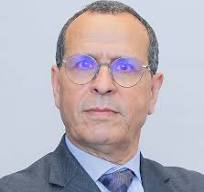
Aziz Ajbilou
Full Professor at Mohammed VI Polytechnic University, Rabat
Aziz Ajbilou is a Full Professor and Director of the Master’s programme in EconomicAnalysis and Public Policy at Mohammed VI Polytechnique University. He has heldvarious positions in government and academia, including Secretary General of theMinistry of General Affairs and Governance, Director of Studies in the field of SocialEconomy, and Director of the Center for Demographic Studies and Research. He holds aPhD in Demography and Statistics from Catholic University of Louvain and has expertisein socio-economic and demographic research, including poverty, human development,youth, aging, social economy, population issues, gender, population policy, migration, andsocial protection. ...
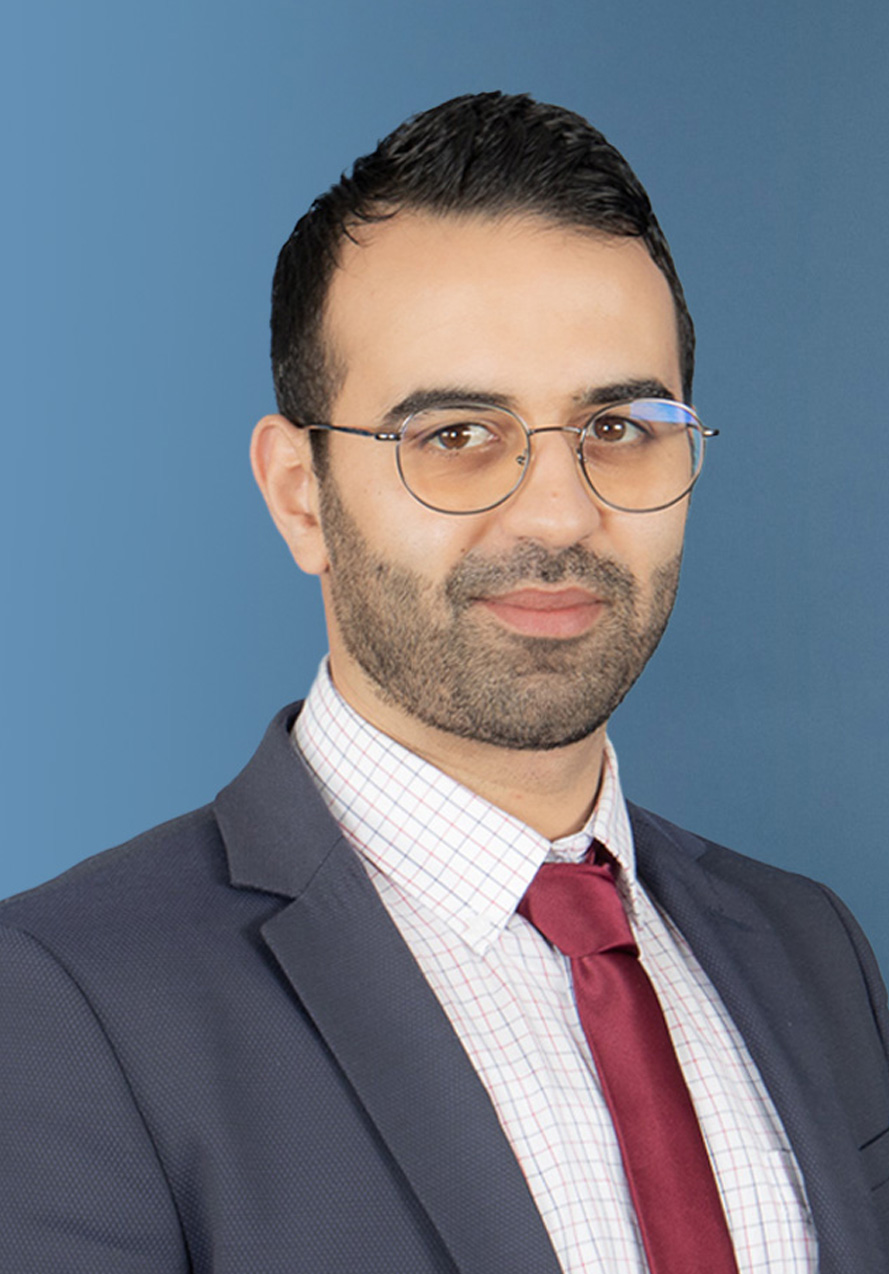
Badr Mandri
Economist
Badr Mandri is an Economist who joined Policy Center for the New South after two years’ experience at the Moroccan national statistics office (HCP, High Commission for Planning). His research activities focus on development macroeconomics especially on fiscal policy and development financing. Badr Mandri holds a master’s degree in applied economics, and is currently a PhD student at Mohamed V University in Rabat; ...

RELATED CONTENT

  • April 28, 2026
    تتناول هذه الحلقة دخول المغرب مرحلة متقدمة من التحول الديمغرافي، تتميز بتراجع معدل الخصوبة، تباطؤ النمو السكاني، وارتفاع متوسط العمر. كما تشير إلى أن هذه التحولات لها انعكاسات مباشرة على السياسات العمومية، خاصة في مجالات التعليم، الصحة، سوق الشغل والحماية الاجتماعية. ويؤكد الأستاذ أن ال...
  • Authors
    Sous la direction de Larabi Jaïdi
    September 29, 2022
    La succession des chocs pandémique, climatique et géopolitique a éprouvé les économies africaines. Les liens commerciaux et financiers avec le monde ne sont plus seulement considérés comme des moteurs de performance, mais aussi comme des sources potentielles de vulnérabilité. La défiance à l’égard de la mondialisation s’est accrue. Parce qu’elle est venue souligner la dépendance du continent, le dérèglement de ses rapports à la nature et sa vulnérabilité face aux tensions géopolitiq ...
  • April 25, 2022
    Retrouvez en exclusivité l’interview de Abdelhak Bassou, Senior Fellow au Policy Center for the New South, qui se livre à Helmut Sorge, Columnist au Policy Center for the New South, au sujet des multi-disparités présentes en Afrique. Abdelhak Bassou est l’auteur du Chapitre 5 du rapport...
  • Authors
    Abdelmounaim Fanidi
    April 19, 2022
    Suivant une analyse réaliste des relations internationales, des ‘facteurs objectifs’ ont été longtemps mis en avant pour expliquer le blocage de l’intégration régionale au Maghreb (e.g. le conflit du Sahara). Par une approche constructiviste, cet article a pour vocation d’analyser un facteur subjectif susceptible de freiner ou favoriser l’intégration maghrébine, en l’occurrence les identités nationales. Il se focalisera sur « les discours primordialistes ». Autrement dit, les discou ...
  • Authors
    Alessandro Minuto-Rizzo
    Bernardo Sorj
    Frannie Léautier
    Iskander Erzini Vernoit
    Kassie Freeman
    Nathalie Delapalme
    J. Peter Pham
    March 7, 2022
    The COVID-19 pandemic has had a huge impact on the global economy and has challenged the best minds to rethink how to design and implement an effective recovery. Countries in the wider Atlantic region have exhibited differential trajectories in traversing the pandemic. A number of countries in Europe succeeded in vaccinating most of their eligible populations, enabling life to return somewhat to normal. A smaller group of countries in Europe could manage infection rates even more ti ...
  • Authors
    Eugène Berg
    Pascal Chaigneau
    Jérémy Ghez
    May 3, 2021
    Les Dialogues Stratégiques, une collaboration entre HEC Center for Geopolitcs et Policy Center for the New South, représentent une plateforme d’analyse et d’échange biannuelle réunissant des experts, des praticiens, des décideurs politiques, ainsi que le monde universitaire et les médias au service d’une réflexion critique et approfondie sur les tendances politiques mondiales et les grandes questions d’importance commune pour l’Europe et l’Afrique. Cette publication est issue de la ...
  • Authors
    February 12, 2021
    This paper provides a preliminary assessment of COVID-19’s impact on Africa, focusing on the sub-Saharan Africa (SSA) countries, based on information available as of October 2020. We first identify the two key long-term issues of the SSA countries before the crisis: resource dependency and slow productivity growth. COVID-19 has hit SSA countries hard, causing human and economic destruction and wiping out economic progress from the last decade. Instead of growing at 2.9% in 2020, as ...
  • Authors
    Sous la direction de
    December 29, 2020
    Dès les premiers cas du Coronavirus relevés en Afrique, les prédictions les plus sombres ont été faites sur la catastrophe sanitaire à venir sur le continent, en raison d’un certain nombre de caractéristiques supposées favoriser la propagation de l’épidémie. Ces prévisions ont été démenties par la rapidité des ripostes des Etats et par divers autres facteurs. La progression de la Covid-19 en Afrique n’est pas le fait d’une dynamique unique mais plutôt de multiples profils de risques ...
  • December 16, 2020
    The COVID-19 pandemic has hit the Moroccan economy hard, as elsewhere in the world. A collapse in external demand and a lockdown lasting more than three months have profoundly altered economic activity in Morocco, causing its first recession since 1995. The implementation of the confinement and social distancing measures was strict and came two weeks after the detection of the first cases of COVID-19 in Morocco on March 2, 2020. The lockdown was extended three times and lasted aroun ...