Africafé : quelle place pour les pays de l'Afrique au sein du Commonwealth?

January 27, 2022

Africafé est une émission du Policy Center for the New South qui décrypte l’actualité des organisations africaines et de l’Afrique. A travers de courtes interviews, l’émission tente de proposer d’aborder de manière pédagogique les enjeux des organisations africaines et l’actualité du continent. Dans cet épisode Mohammed Loulichki Senior fellow au Policy Center for the New South, présente le Commonwealth à travers trois questions simples : à quoi sert l’organisation, quelle est son actualité et quels sont ces enjeux ?

Speakers
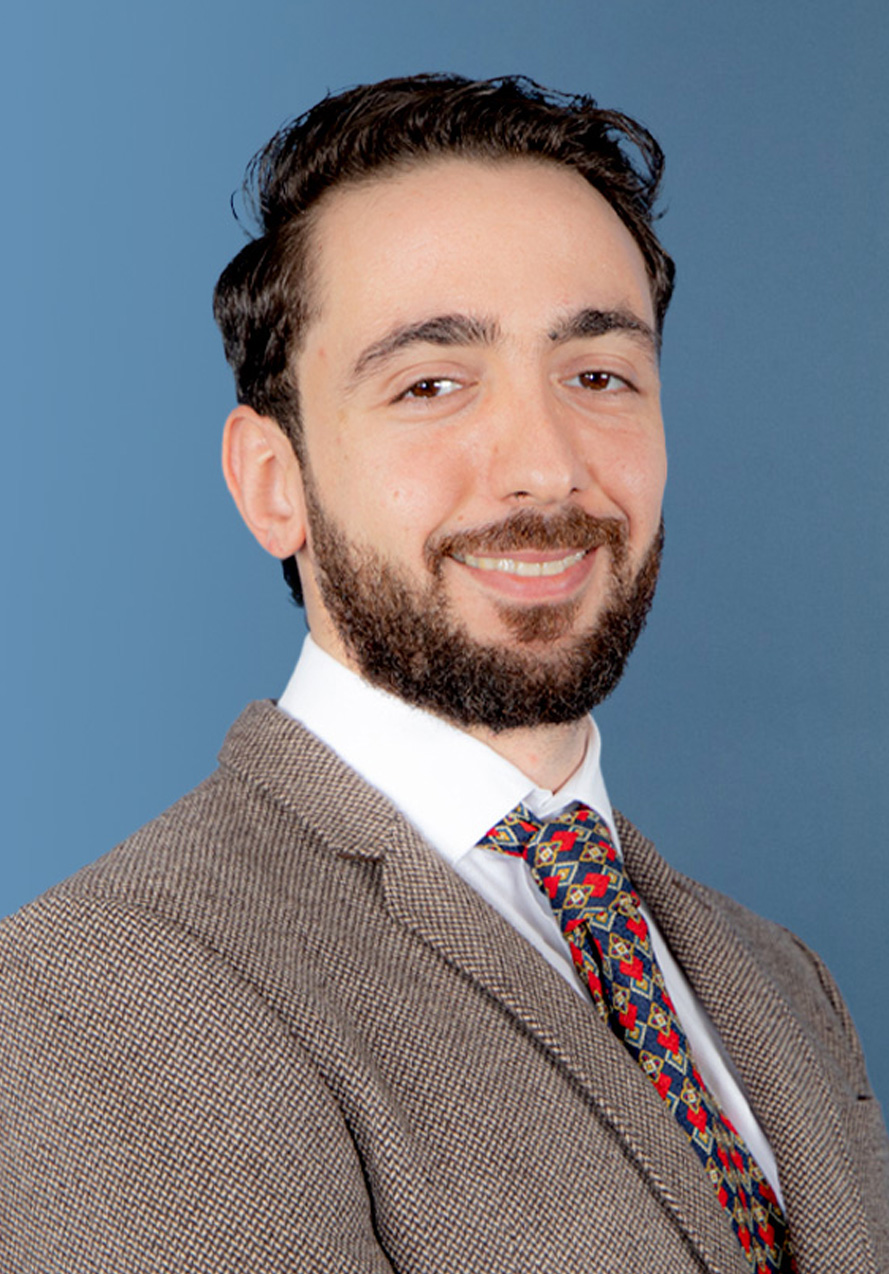
Youssef Tobi
International Relations Specialist
Tobi Youssef has joined the Policy Center for the New South in 2017. He is currently working on Politics and Governance in the Maghreb Region; his areas of expertise are geopolitics, political risk and nation building. Youssef Tobi obtained a Master Degree at Sciences Po Lyon  where he wrote two thesis on “ the role of Moroccan Bank in Africa, a non-state actor in service of the Diplomacy”  and the“ Chasm between the mediatic and associative representation of refugees : a case study”.  Prior to working at the Think tank, Tobi Youssef participated in a Social Entrepreneurship Project in Beirut, Lebanon and conducted an internship in a NGO based in Marseille where he assisted refugees and helped raise funds. ...
Mohammed Loulichki
Senior Fellow
Mohammed Loulichki is a Senior Fellow at the Policy Center for the New South and an Affiliate Professor at Mohammed VI Polytechnic University. He brings over 40 years of comprehensive experience in diplomacy, conflict resolution, and human rights. He has served in various roles including as a member and Deputy Head of the Moroccan delegation to the 3rd Conference on the Law of the Sea (1982-1990), Head of the Department of Legal Affairs and Treaties at the Ministry of Foreign Affairs (1988-1991), and General Director for Multilateral Affairs in the same ministry (2003-2006).   He also acted as Morocco's Ambassador to Hungary, Bosnia-Herzegovina, and Croatia (1995-1999), and was the Moroccan Government's Ambassador Coordinator with MINURSO (1999-2001). Furthermore, he se ...

RELATED CONTENT

  • April 24, 2026
    Pendant longtemps, la sécurité du Sahel reposait sur les dispositifs militaires occidentaux qui ne sont pas parvenus à juguler la menace jihadiste, démontrant ainsi les limites d’un modèle de coopération fondé sur la dépendance logistique et doctrinale envers les partenaires étrangers. Les trois États sahéliens ont décidé de rompre avec ce système et de construire « une souveraineté sécuritaire intégrée » Cette orientation s’est affirmée dans un contexte d’ouverture à de nouvea ...
  • April 9, 2026
    Trois ans après l'adoption du premier Plan d'Action National (PAN) sur l'Agenda Femmes, Paix et Sécurité (FPS), le Maroc affiche des avancées institutionnelles réelles mais une mise en œuvre encore insuffisante. L'extension du PAN ouvre une fenêtre d'opportunité pour préparer un second cycle plus ambitieux et opérationnel.Ce Policy Brief identifie quatre obstacles persistants : un taux d'activité féminine de 19,1% en quasi-stagnation, une représentation des femmes inférieure à 3% da ...
  • January 23, 2026
    This episode of AfriCAFÉ examines how Africa’s development aid landscape is shifting amid major cuts by traditional donors and changing global priorities. Through a discussion with Stephen Klingebiel and Andrew Sumner, it questions whether aid has truly driven development or fostered de...
  • January 6, 2026
    La création de l’Alliance des États du Sahel (AES) symbolise une rupture politique et géostratégique majeure, appuyée sur un discours souverainiste et anti-occidental. Deux ans après, Mali, Burkina Faso et Niger peinent à assurer leur intégrité territoriale, à stabiliser leur sécurité intérieure et à bâtir une gouvernance solide. L’intégrité territoriale est un problème commun aux trois États, car dans ces pays, la cohésion de l’État et le contrôle du territoire sont directement men ...
  • January 2, 2026
    Ce Policy Paper analyse les enjeux politiques, économiques et opérationnels du Fonds pour les pertes et dommages, créé pour répondre aux impacts climatiques irréversibles subis par les pays les plus vulnérables. Il clarifie d’abord la notion de pertes et dommages, qui mêle effets économiques et non économiques, et souligne les défis d’attribution liés à la superposition entre chocs climatiques et fragilités structurelles. L’analyse met ensuite en lumière les tensions d’économie poli ...
  • Authors
    December 3, 2025
    Resolution 2797 of the United Nations Security Council does not mark the end of an issue, but the culmination of masterful time management. Morocco has not only won support, it has won the tempo. By combining the Chronos of constancy and the Kairos of opportunity, it has demonstrated that a foreign policy can be based on the philosophy of time as much as on geopolitics.This diplomacy of controlled time can today be seen as an implicit doctrine of the Kingdom: a strategy in which pat ...
  • Authors
    December 3, 2025
    La résolution 2797 du Conseil de sécurité des Nations Unies ne marque pas la fin d’un dossier, mais l’aboutissement d’une gestion magistrale du temps. Le Maroc n’a pas seulement gagné des appuis, il a gagné le tempo.
En combinant le Chronos de la constance et le Kairos de l’opportunité, il a démontré qu’une politique étrangère pouvait s’appuyer sur la philosophie du temps autant que sur la géopolitique.Cette diplomatie du temps maîtrisé peut aujourd’hui être considérée comme une doc ...
  • Authors
    December 1, 2025
    This Paper was originally published on transatlantic.org The contemporary maritime domain is increasingly recognized as a geopolitical and economic space, but also as an environment intertwined with human, social, ecological, and governance systems ashore. The United Nations Institute for Disarmament Research (UNIDIR 2024) report argues that maritime security has evolved from a narrow naval and state-centered concern into a multidimensional issue embedded in global human s ...