Résilience de l'Afrique : cas du COVID-19 - Interview de Abdelhak Bassou

April 7, 2020

- On annonce une catastrophe en Afrique en relation avec le Covid-19, quelle part de vérité dans ces annonces ? - L’Afrique enregistre-t-elle des défaillances de résilience ? - Que peut-on reprocher à la résilience en Afrique ?

Speakers
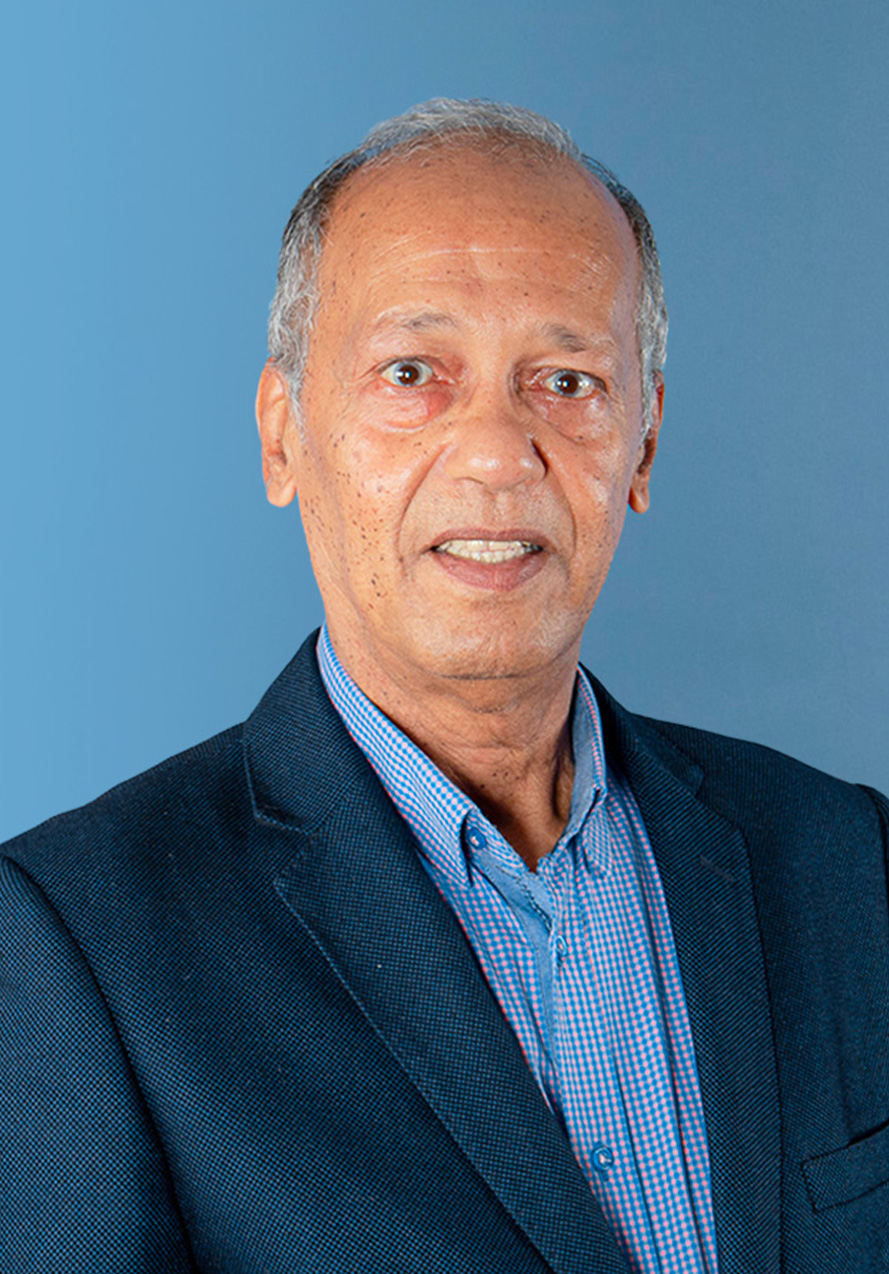
Abdelhak Bassou
Senior Fellow
Abdelhak Bassou is a Senior Fellow at the Policy Center for the New South and a non-resident senior fellow at the Atlantic Council’s Africa Center. He is also an Affiliate Professor at Mohammed VI Polytechnic University. Bassou has had an extensive career in Moroccan National Security, where he served in various capacities including as head of the border division from 1978 to 1993. He was the former director of the Royal Institute of Police in 1998 and served as Head of Regional Security (Errachidia 1999-2003, Sidi Kacem 2003-2005) and as Central Director of General Intelligence from 2006 to 2009.   He holds a master's degree in political science and international studies from the Faculty of Law, Economics, and Social Sciences in Rabat. His academic research delves into ...

RELATED CONTENT

  • July 3, 2026
    Morocco offers a compelling example of how a middle-income economy can navigate a more fragmented global environment, characterized by weak growth and slower convergence. Since 2022, economic activity has remained relatively strong, with growth exceeding that of many comparable economies. Non-agricultural growth has averaged 4.4% since 2022, around 1.3 percentage points above its historical average, and has accelerated to 4.8% since 2024. This performance has allowed Morocco to grad ...
  • July 3, 2026
    Depuis plusieurs semaines, l'Afrique du Sud vivait au rythme d'une échéance sans existence légale. Au 30 juin, des mouvements anti-immigration avaient fixé la date à laquelle les étrangers en situation irrégulière devaient, selon eux, avoir quitté le pays. Le gouvernement Sud-africain a même dû démentir qu'il s'agissait d'une directive officielle du ministère de l'Intérieur. L’initiative a pourtant produit des effets importants : des milliers de ressortissants mozambicains, malawite ...
  • July 3, 2026
    This episode explores Russia’s growing influence in Africa through media, information warfare, and anti-Western narratives. It examines how Moscow uses historical ties, social media, local influencers, and security partnerships to shape perceptions, while questioning the real scope and ...
  • Authors
    July 2, 2026
    Africa is facing a massive electricity deficit that is impacting its economic and social development, and its ability to catch up with the rest of the world. It is imperative that the continent increase its electricity production to connect the 600 million people who are currently without access and to improve the quality of service for the millions who are suffering from frequent blackouts and load-shedding. Economic development in the 21st century will crucially depend on the digi ...
  • June 30, 2026
    À l'échelle mondiale, les politiques publiques de jeunesse sont confrontées à un double enjeu : répondre à des défis socio-économiques structurels; chômage, précarité, fractures territoriales, tout en intégrant une demande croissante de participation citoyenne effective. (OIT, 2023 ; Nations Unies, 2020) En Afrique, ce défi revêt une dimension singulière compte tenu du poids démographique de la jeunesse et des fragilités persistantes des démocraties locales. (BAD, 2020 ; Mo Ibrahim ...
  • June 26, 2026
    Au Maroc, la problématique des jeunes NEETs (Ni en emploi, ni en études, ni en formation) constitue une urgence nationale, alimentée par 300 000 abandons scolaires annuels. Face à ce défi, le modèle de l'École de la Deuxième chance nouvelle génération (E2C-NG) a démontré sa pertinence en affichant un taux d'insertion exceptionnel de 81 %.Cependant, ce succès institutionnel repose intégralement sur un tissu associatif local aujourd'hui fragilisé. L'analyse inédite des donné ...
  • June 26, 2026
    Three years after the adoption of the first National Action Plan (NAP) on the Women, Peace and Security (WPS) Agenda, Morocco has made real institutional progress, but implementation is still inadequate. The extension of the NAP opens a window of opportunity to prepare a second, more ambitious and operational cycle.This Policy Brief identifies four persistent obstacles: a virtually stagnant female employment rate of 19.1%, less than 3% female representation in peacekeeping contingen ...
  • Authors
    June 24, 2026
    Africa today remains far from food secure. Chronic malnutrition, widespread anemia among women of childbearing age, stunting and wasting among young children, pervasive underemployment in both rural and urban areas, and a youth bulge frustrated by high unemployment are key features of a continent that is seriously off track with respect to the SDG deadline: only 6% of SDGs have been implemented (Mo Ibrahim Forum, 2025).Despite this dismal progress, Africa can still achieve “The Afri ...