Les Politiques Economiques de Relance Post-Covid-19 : Regards Croisés

June 12, 2020

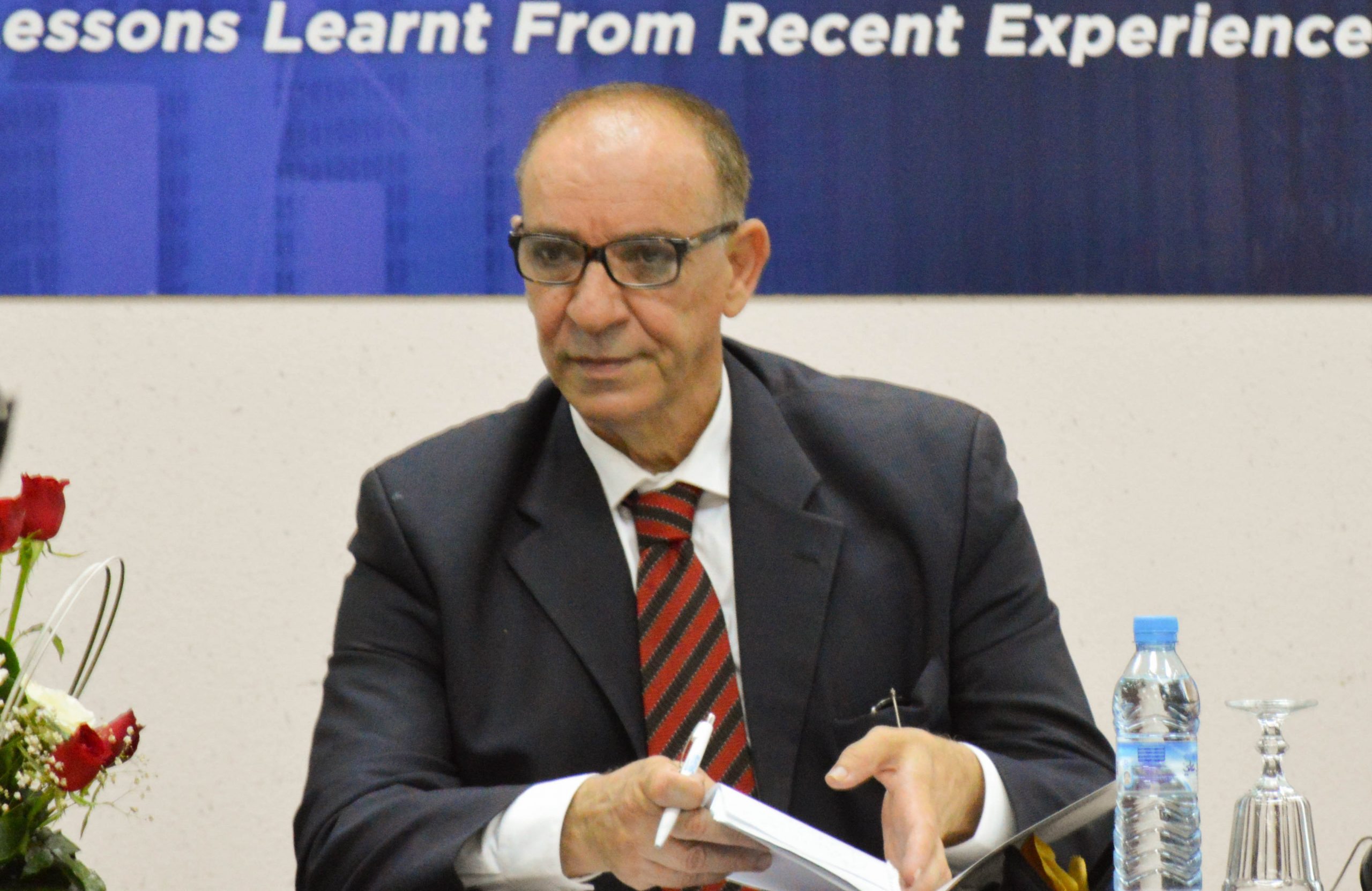
Le Laboratoire d’Economie Appliquée ( LEA) de la Faculté des Sciences Juridiques Economiques et Sociales Rabat - AGDAL en partenariat avec le Policy Center for the New South, a le plaisir de vous inviter à participer à la table ronde organisée sous le thème «Les politiques économiques de relance Post Covid-19 : Regards croisés », qui se tiendra le vendredi 12 juin 2020 à 18h00 (Heure de Rabat). Les politiques économiques de gestion de la crise issue du covid-19 sont en rupture avec les pratiques antérieures. Elles sont audacieuses et révèlent au grand jour la capacité des pays, quand ils mettent en stand-by les prêts à penser- orthodoxes-, à gérer des chocs extrêmes. Il s’agit maintenant d’examiner la capacité des politiques économiques de relance post Covid-19 à l’échelle internationale et au Maroc, de saisir cet effet de révélation, de le traduire en stratégies innovantes à même de reconstruire un Maroc social inclusif et durable.
Speakers
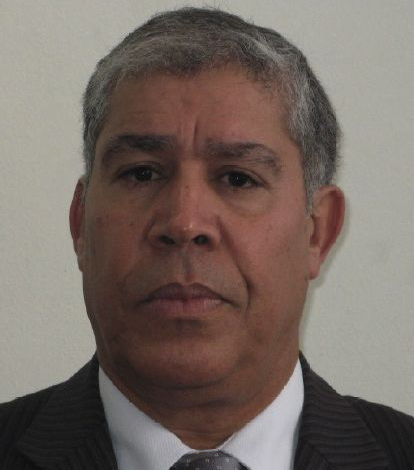
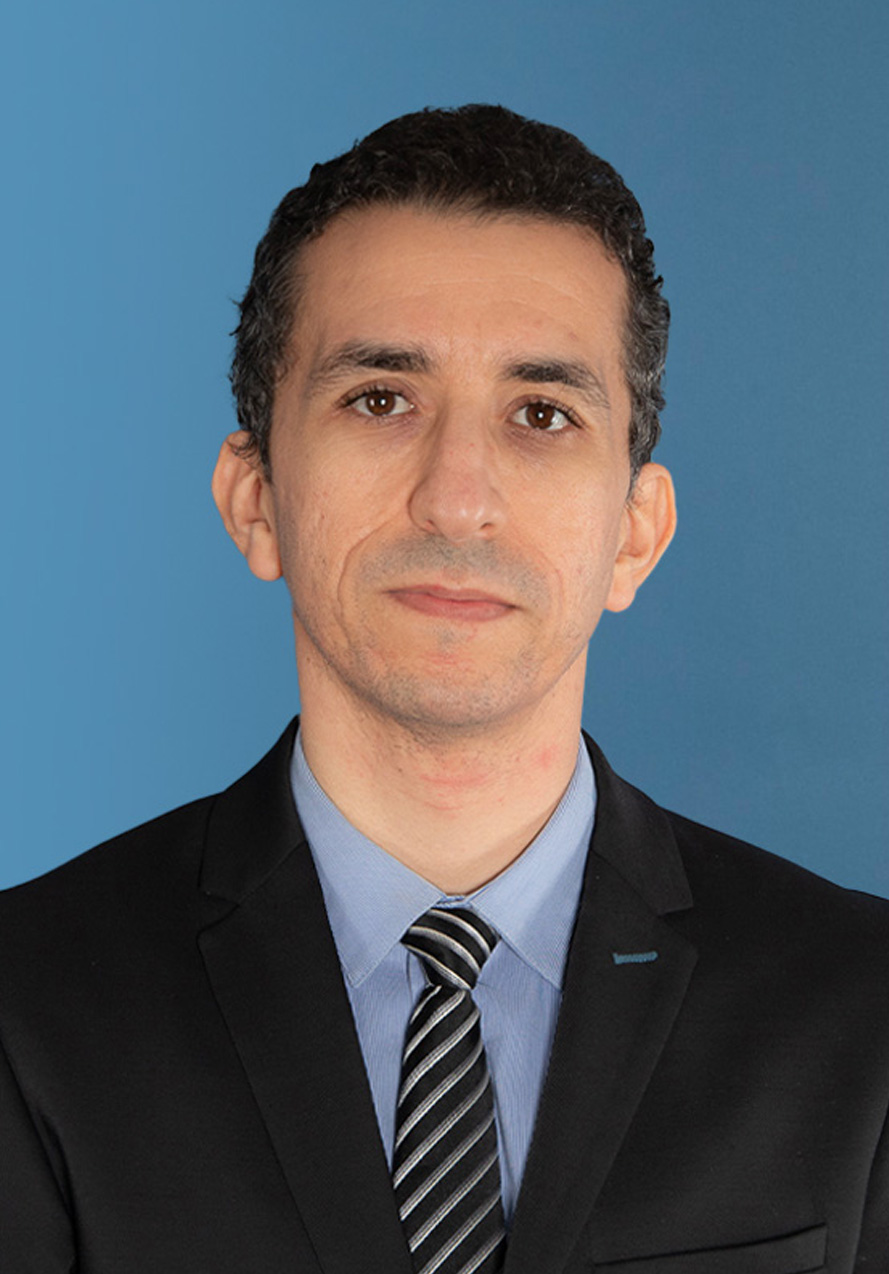
Abdelaaziz Ait Ali
Head - Research in Economics
Abdelaaziz Ait Ali is a principal Economist and head of the Research Department at the Policy Center for the New South. He joined the Center in 2014 after five years of experience at the Central Bank of Morocco. He worked as an economist in the International Studies and Relations Department and was analyzing the real estate price index and financial asset prices for monetary policy and financial stability purposes. Since then, Abdelaaziz has focused on cyclical and structural issues of the Moroccan economy, including macroeconomic management and industrial policy design. He has published articles on the reform of the exchange rate regime in the Moroccan economy and its implications for macroeconomic regulation, as well as on the evolution of the macroeconomic framework over th ...
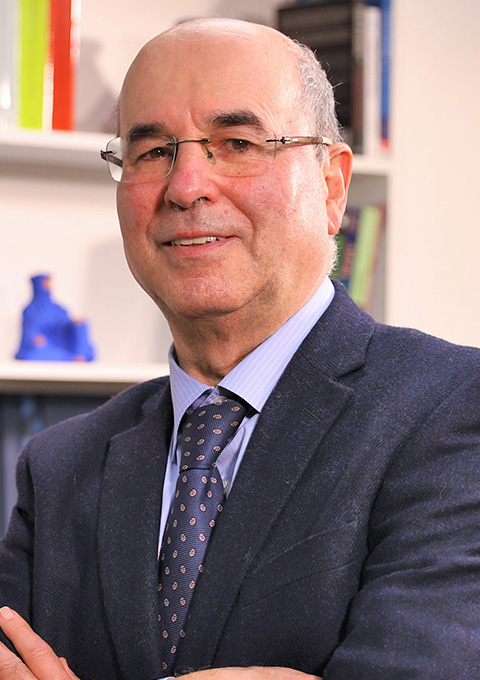
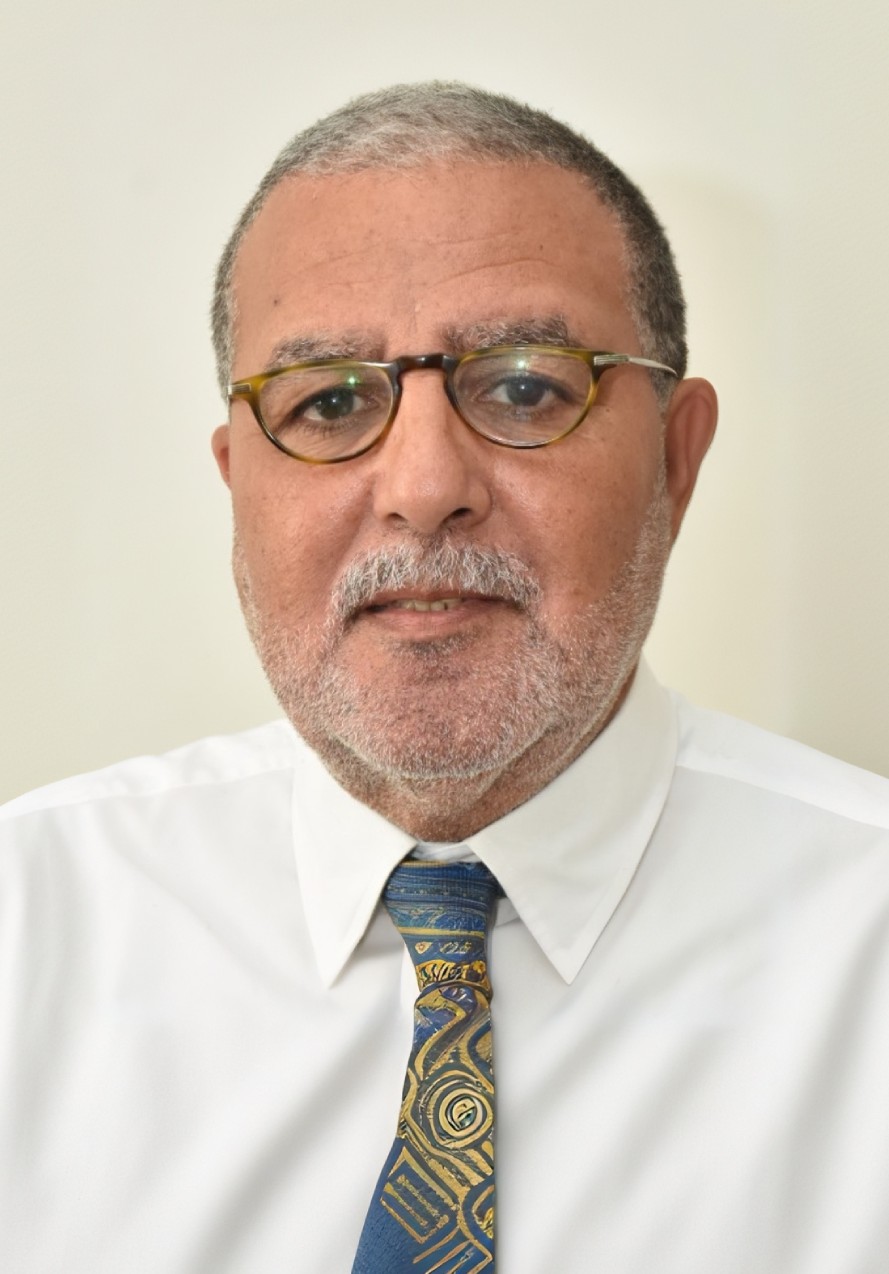
Idriss El Abbassi
Professor of economics, Mohammed V University
Idriss El Abbassi is a Professor of Economics at Mohammed V University in Rabat and coordinator of the Master’s programme in economics. He holds a PhD from Florida State University, and his research focuses on open-economy macroeconomics, growth, and structural transformation. He teaches at both the Master’s and PhD levels and is a founding member of the Laboratory of Applied Economics. A former director of the EMPRETEC/UNCTAD programme in Morocco, he has also been a visiting professor in London. He co-authored Human Capital and Economic and Social Development in Morocco and has recently published in The Economic and Labour Relations Review and Structural Change and Economic Dynamics. ...
Lahcen Oulhaj
Laboratoire d'Economie Appliquée (LEA), FSJES Agdal
...
Larabi Jaïdi
Senior Fellow
Larabi Jaïdi is a Senior Fellow at the Policy Center for the New South and an Affiliate Professor at Mohammed VI Polytechnic University. His areas of expertise include international economy, economic policies, international economic relations, regional economies, social development, international relations, and Mediterranean studies. He also served on the Special Commission on the New Development Model of Morocco, a consultative body created in November 2019 to formulate the country's new developmental guidelines. Jaïdi is a former Professor at Mohamed V University in Rabat-Agdal and a founding member of both the Centre Marocain de Conjoncture and the Groupement d’Etudes et de Recherches sur la Méditerranée.   Prof. Jaïdi previously served as Advisor to the Prime Minist ...
Saïd Tounsi
Professor and Researcher, Mohammed V University
Saïd Tounsi is a Professor and Researcher at Mohammed V University in Rabat. A specialistin economic policies, particularly fiscal policy, he has authored several studies onpublic debt sustainability and exchange rate regimes in developing countries. He has alsoco-edited collective volumes on macroeconomic policies in Morocco. A former trainer atthe IGF and Bank Al-Maghrib, he combines academic expertise with institutional experiencein analysing national and international economic dynamics. ...

RELATED CONTENT

  • Authors
    Tiago Ribeiro dos Santos
    December 3, 2018
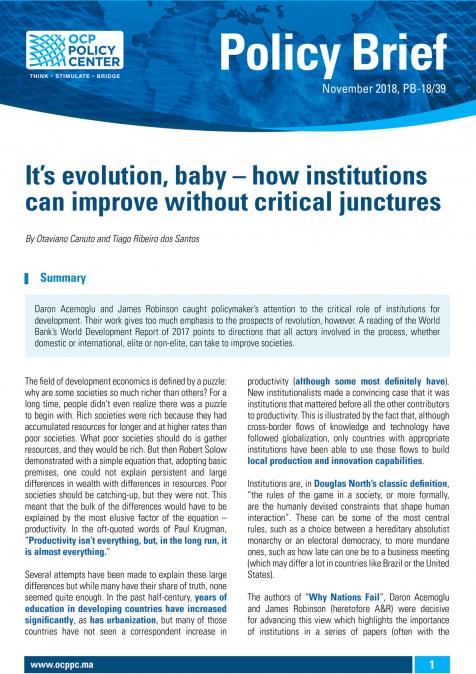
    Daron Acemoglu and James Robinson caught policymaker’s attention to the critical role of institutions for development. Their work gives too much emphasis to the prospects of revolution, however. A reading of the World Bank’s World Development Report of 2017 points to directions that all actors involved in the process, whether domestic or international, elite or non-elite, can take to improve societies. ...
  • Authors
    Pierre-Richard Agénor
    November 30, 2018
    L'importance de la stabilité macroéconomique et financière pour l'amélioration à long terme des niveaux de vie a conduit à un profond renouvellement de l'analyse macroéconomique dans les pays en développement, tant sur le plan analytique qu'empirique. Pour la première fois, le présent ouvrage fournit au public francophone un traitement approfondi et rigoureux des questions actuelles liées à l'analyse et à la gestion macroéconomique dans ces pays. Cette macroéconomie du développemen ...
  • November 29, 2018
    - Emerging market economies (EMs), as a group, continue to exhibit solid growth. This is the case especially in Asia and among oil-exporters, supported by growth in the advanced economies, the recovery in world trade, and the resilience of non-oil commodity prices. - However, financial markets have become very nervous about the prospects for several EM, reflecting specific weaknesses in several countries – Argentina and Turkey stand out - and the prospect of higher international in ...
  • Authors
    Yana Myachenkova
    November 27, 2018
    - The trade agreements that the European Union has with North African countries – with Algeria, Egypt, Morocco and Tunisia – are often seen as having delivered disappointing results since they came into force during the 2000s. The four North African countries have seen insufficient growth in their exports to the EU, and have undergone only limited diversification. In the meantime, the EU’s exports to North Africa have grown quite rapidly. - Economic growth in North Africa has been ...
  • Authors
    Axel Berger
    Andreas Freytag
    Simon J. Evenett
    Christian von Haldenwang
    Ricardo Meléndez-Ortiz
    Raul Ochoa
    Agustin Redonda
    Karl P. Sauvant
    November 26, 2018
    *The recommendations put forth below have been published, both print and online, in the Financial Times.  The leaders of the G20 will meet on 30 November and 1 December in Buenos Aires for their annual summit. They need to acknowledge that the last two years have been characterized by strong headwinds for the world economy. This time, however, it is not a mixture of poor macroeconomic policies and bad business decisions – as in 2008 when they met in Washing ...
  • Authors
    Bouchra Rahmouni
    November 22, 2018
    Nowadays, links between development and security are widely recognized by many, just as they were during the development of the Marshall Plan. As mentioned in the United Nations "A More Secure World" report, threats to one are intrinsically a threat to all. Thus, 17 UN-agreed goals were agreed upon to help end poverty, protect the planet, and ensure prosperity for all by 2030, including goal 16 for "peaceful and inclusive societies". Last month, the UN’s inaugural Africa Dialogue S ...
  • November 14, 2018
    Depuis plus de 70 ans, le franc CFA est la monnaie commune à quatorze pays du continent africain. Procéder à une comparaison entre les taux d’inflation et de croissance des pays membres de l’Union économique monétaire de l’Afrique de l’Ouest (UEMOA) et de la Communauté économique et monétaire de l’Afrique centrale (CEMAC), permet d’analyser les taux d’inflation et de croissance d’une vaste région regroupant deux communautés : l’une, ayant choisi le franc CFA comme monnaie, composée ...
  • Authors
    November 13, 2018
    Livelihoods of northern Niger’s population depended for centuries on trade and cross-border movement of licit goods with Libya. Historical trends of domestic and regional shocks demonstrated the ability of local communities to adapt and adjust to transformations caused by these shocks to survive. People moving through and living in the area have different motivations and reasons to cross to Libya and beyond, but economic drivers remain the key factor. The local economy has suffered ...
  • Authors
    Yassine Msadfa
    November 5, 2018
    Il y a une dizaine d’années, le nombre et la complexité des taches que pouvaient effectuer les robots semblaient encore limités. Aujourd’hui, certains robots, munis d’une intelligence artificielle développée, réussissent à apprendre et à exceller dans des jeux de stratégie assez complexes, comme les échecs ou le jeu de GO. Le développement de la robotique, de l’intelligence artificielle et de l’automatisation, en général, s’est fait de façon relativement rapide, incitant plusieurs e ...
  • Authors
    November 5, 2018
    Islamic finance is a way of doing finance while respecting the Islamic ban on interest-based transactions and ensuring risk sharing between parties in all operations. Contracts are supposed to rule out features that would make them akin to gambling or “making money from money.” Furthermore, engagements in businesses considered immoral or ethically problematic are not allowed. Islamic finance therefore means, among other features: no pure debt securities, with interest rep ...