Publications /
Policy Brief

Back
Multilateralism: what is the political (geo) resonance for steel?
Authors
January 12, 2017

While energy products are clearly at the heart of geopolitical relations, other commodities should be taken into account to explain certain changes in the international economic and political environment. This is the case for steel since the 19th century. What about today? In a context of sluggish domestic demand, the considerable expansion of Chinese production and exports weigh heavily on the health of steelmakers, which are "historic" producers. Antidumping measures have thus been adopted in the United States, Europe and Morocco with the aim of restoring the competitiveness of local industries in national markets. It is up to the appropriate authorities to assess the legitimacy of such measures, but it is important to note the importance of the political stakes in this field, both nationally and internationally.

RELATED CONTENT

  • Authors
    Silvia Colombo
    Mohamed El Harrak
    Nicolò Sartori
    May 27, 2016
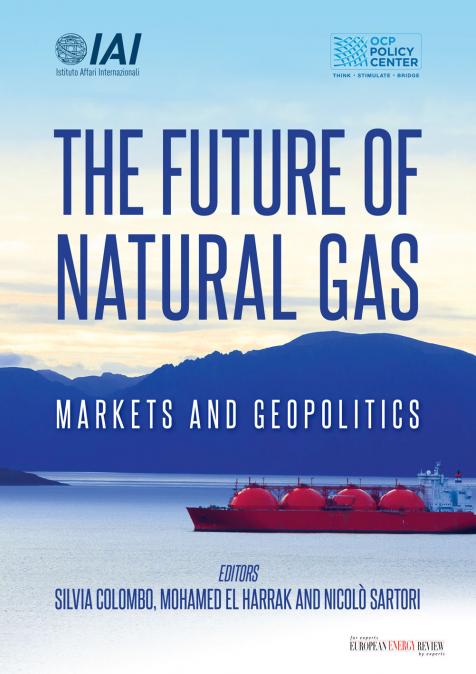
    Energy is at the core of the remarkable current transitions in the global economy and geopolitics, and natural gas plays a crucial role in these processes. In this context of rapidly evolving trends at the market level and developing dynamics between regional and global actors, The Future of Natural Gas aims at analysing the role of natural gas in the future energy mix by considering several key factors: the ambitious climate policies agreed by the international community, cost issu ...
  • Authors
    Russel Dinh
    January 27, 2016
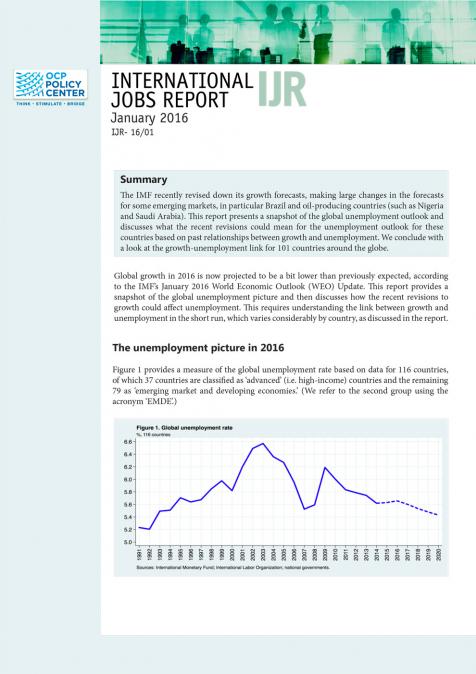
    The IMF recently revised down its growth forecasts, making large changes in the forecasts for some emerging markets, in particular Brazil and oil-producing countries (such as Nigeria and Saudi Arabia). This report presents a snapshot of the global unemployment outlook and discusses what the recent revisions could mean for the unemployment outlook for these countries based on past relationships between growth and unemployment. We conclude with a look at the growth-unemployment link f ...
  • November 5, 2015
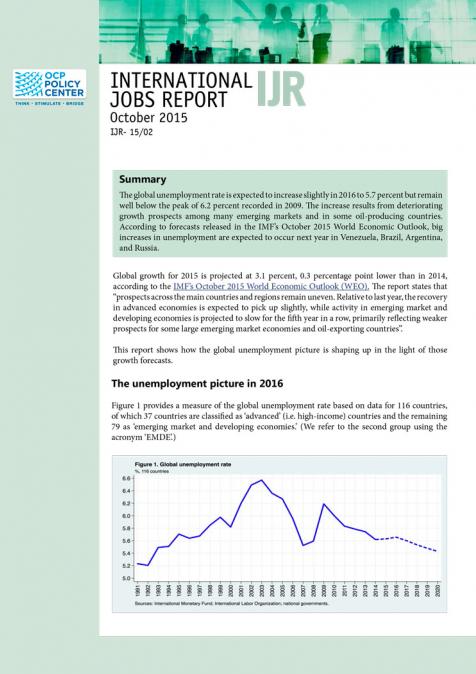
    The global unemployment rate is expected to increase slightly in 2016 to 5.7 percent but remain well below the peak of 6.2 percent recorded in 2009. The increase results from deteriorating growth prospects among many emerging markets and in some oil-producing countries. According to forecasts released in the IMF’s October 2015 World Economic Outlook, big increases in unemployment are expected to occur next year in Venezuela, Brazil, Argentina, and Russia. ...
  • August 18, 2015
    OCP Policy Center and the German Marshall Fund of the United States, in partnership with the Fernando Henrique Cardoso Institute, organized an Atlantic Strategy Group conference on June 23rd and 24th, 2015 in São Paulo, Brazil with a focus on trade, energy, food, and Geopolitical System...