Publications /
Policy Brief

Back
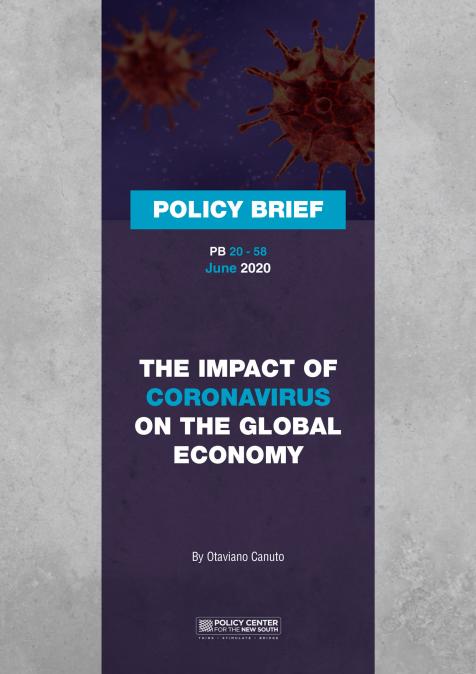
The Impact of Coronavirus on the Global Economy
Authors
June 22, 2020

COVID-19 brought the global economy to a sudden stop, causing shocks to supply and demand. Starting in January 2020, country after country suffered outbreaks of the new coronavirus, with each facing epidemiological shocks that led to economic and financial shocks as a consequence. How quickly and to what extent will national economies recover after the pandemic has passed? This will depend on success in containing the coronavirus and on exit strategies, as well as on the effectiveness of policies designed to deal with the negative economic effects of the coronavirus. The impact of coronavirus on the global economy will extend beyond 2020. According to forecasts from the International Monetary Fund and World Bank, GDP per capita at the end of 2021 is still expected to be lower than December 2019 in most countries. Emerging markets and other developing countries, in addition to facing difficulties in dealing with their own coronavirus outbreaks, have suffered additional shocks from abroad. In their cases, the new coronavirus brought a perfect storm. One can foresee a post-coronavirus global economy marked by higher levels of public and private debt, acceleration in digitization processes, and less globalization.

RELATED CONTENT

  • Authors
    Ian Lesser
    November 18, 2013
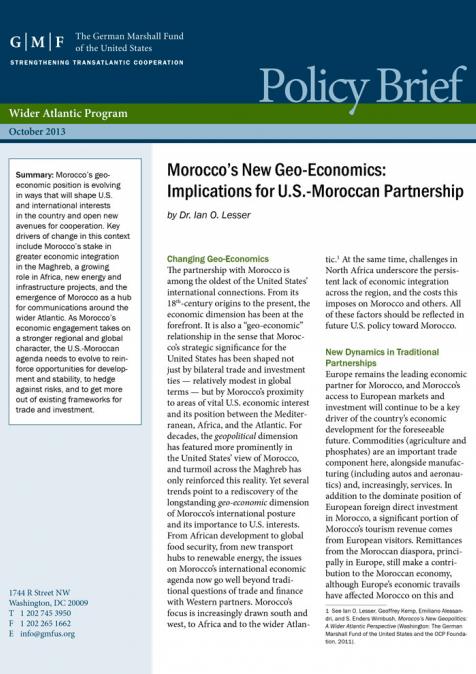
    This policy brief argues for a closer relationship between Morocco and the United States. Morocco’s geo-economic position is evolving in ways that will shape U.S. and international interests in the country and open new avenues for cooperation. Key drivers of change in this context include Morocco’s stake in greater economic integration in the Maghreb, a growing role in Africa, new energy and infrastructure projects, and the emergence of Morocco as a hub for communications around th ...
  • From

    20
    5:30 pm October 2026
     تتناول هذه الحلقة من «حديث الثلاثاء» تأثير تقلبات أسعار النفط والغاز في الأسواق العالمية على الاقتصاد المغربي، وانعكاساتها على القدرة الشرائية للأسر وتنافسية المقاولات. ونناقش مع ضيفنا السيد أمين سامي كيف تنتقل هذه التقلبات إلى أسعار السلع والخدمات، ولماذا لا تنخفض الأسعار دائمًا مع تراجع كلفة الطاقة. كما نسلط الضوء على سبل تكيف المقاولات مع عدم استقرار الأسعار، ودور السياسات العمومية في حماية الأسر والمقاولات من الصدمات الطاقية. ونستعرض أيضًا إمكانات الطاقات المتجددة في تقليص تبعية الاقتصاد المغربي لتقلبات أسعار المحروقات وتعزيز قدرته على مواجهتها ...
  • From

    06
    10:00 am October 2026
    Dans un environnement international reconfiguré, les économies à revenu intermédiaire poursuivent leur processus de convergence dans des conditions plus exigeantes. La fragmentation géopolitique et la réorganisation des chaînes de valeur mondiales modifient les logiques d'insertion productive, tandis que les tensions sur le système monétaire international pèsent sur le financement des économies en développement. L'accélération des transitions technologique et énergétique redistribue par ailleurs les avantages comparatifs et exige des capacités d'adaptation que tous les pays ne peuvent mobiliser au même degré. Les moteurs classiques du rattrapage se trouvent fragilisés, et le risque d'enlisement dans le piège du revenu intermédiaire se pose de manière plus pressante.C'est dans ...
  • From

    14
    5:30 pm July 2026
    تناقش هذه الحلقة واقع المنافسة في الأسواق المغربية وعلاقتها بتطور الأسعار والقدرة الشرائية للمواطنين. كما تسلط الضوء على أبرز العوامل المؤثرة في الأسعار، سواء المرتبطة بالمنافسة أو بتكاليف الإنتاج وسلاسل التوزيع. ويتناول الحوار دور مجلس المنافسة والسلطات العمومية والفاعلين الاقتصاديين في ضمان أسواق أكثر تنافسية، إلى جانب الإصلاحات الكفيلة بتعزيز المنافسة ودعم الاقتصاد الوطني وحماية المستهلك. ...