Publications /
Book / Report

Back
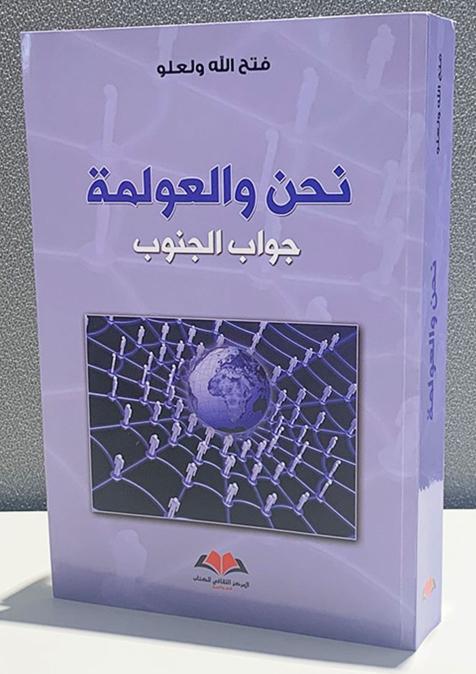
نحن والعولمة جواب الجنوب
March 10, 2020

العولمة حاضرة بقوة، تطوقنا، تصنع العالم وتؤثر على حياة الناس يومياً وفي علاقتهم بالزمان و المكان. بعضهم ينتجوا ويفرضون من خلال ذلك مرجعيتهم، والجميع يستهلكوا، وكثير من الناس يتحملون عبئها. العولمة كانت عبر التاريخ مرتبطة بالفتوحات والهيمنة ولا تزال كذل ك . ولدت في أحضان الفتوحات الكبرى انطلاق اً من المتوسط الغربي عندما انطلق الإيبيريون عبر ا لمح يط الأطلسي ليصلوا إلى ما سمي بالعالم الجديد أي القارة الأمريكي ة . فكانت انطلاقتها عندما غادر البحارة البحار، خاصة البحر الأبيض المتوسط وكذا بحر الص ين ("مواقع إشعاع العولمة الأو لى " حسب مفهوم فيرناند برودي ل )، ليلجوا إلى المحيطات سواء الأطلسي أو الهادي وبينهما الهندي.

markazkitab@gmail.com / +212 5 22 81 04 06 الشراء : المرجو الإ تصال بالمركزالثقافي للكتاب
RELATED CONTENT

  • Authors
    November 16, 2026
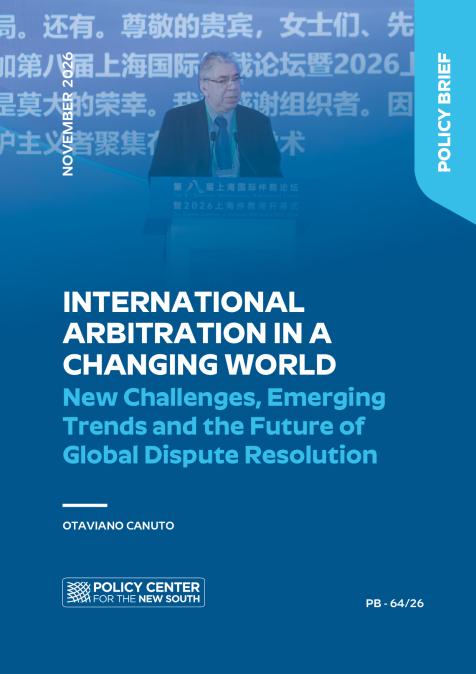
    How can international arbitration preserve its core principles of neutrality, party autonomy and enforceability while adapting to a world increasingly characterized by geopolitical fragmentation, technological disruption and competing regulatory interests? Meeting this challenge demands a collective effort, bringing together arbitral institutions, national courts, governments, international organizations, academics and practitioners. It requires openness to institutional innovation, ...
  • Authors
    Bambang Brodjonegoro
    November 12, 2026
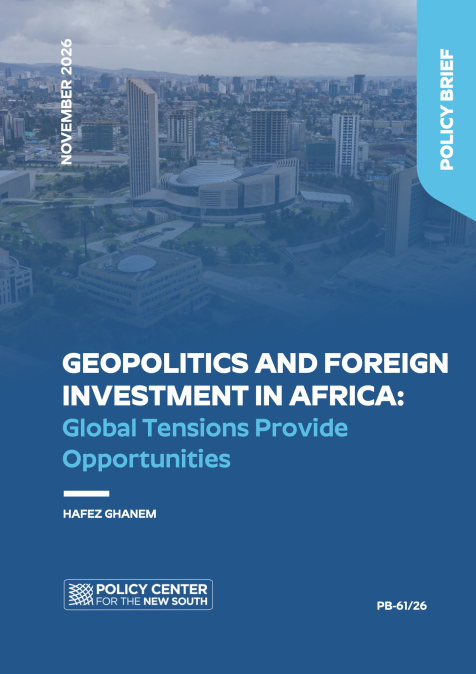
    This Opinion was originally published in asiapathways-adbi.org When G20 leaders meet in Miami next month, the discussions are expected to focus on how to sustain growth in a world marked by economic fragmentation, supply chain disruptions, fiscal pressures, and geopolitical uncertainty. Yet the global economy’s success depends not only on G20 members, but also on the many developing countries outside the group. Strengthening regional cooperation is a practical way to bridge thi ...
  • Authors
    Patrick Kabanda
    November 10, 2026
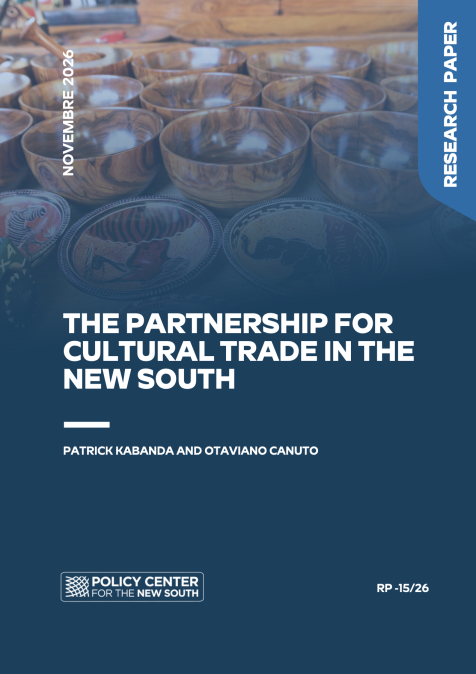
    Cultural trade is a dynamic engine for economic diversification in the New South. Despite decades of diversification rhetoric, however, this sector remains underrealized. Thus, many countries across Africa, Latin America and the Caribbean, Asia, and the Middle East are still commodity-dependent, even though the global creative economy has grown roughly eightfold since 2002, to surpass $2 trillion—that figure, moreover, does not even account for the nonmonetary benefits that merit co ...
  • Authors
    Bambang Brodjonegoro
    November 2, 2026
    This policy note was published as part of the T20 U.S. 2026 Workstreams, under the workstream “Fostering Trade and People-Centered Economic Growth,” which brings together policy experts to develop recommendations for G20 policymakers. The Group of Twenty (G20) accounts for most of the world’s output, yet its decisions shape the prospects of 174 United Nations Member States without G20 membership, among them the great majority of least developed countries and small states. Many ...
  • Authors
    October 29, 2026
    Wars are decided by those who hold military power, but their costs are increasingly borne by those who have little or no voice in the decisions that start them. The US–Iran war shows this imbalance very clearly. Its economic consequences have gone far beyond the battlefield and have disrupted energy markets, trade routes, food supplies, public finances and investment in the Gulf, Europe, Africa and Asia. The most striking feature of the conflict, however, is not only the size of the ...
  • October 22, 2026
    Strategic hedging is rational when it preserves a worthwhile choice at a tolerable cost while respecting existing commitments. Drawing on the literature on hedging and Latin American autonomy, this Policy Brief examines contrasting illustrations of that proposition. It distinguishes ambiguity about future alignment from uncertainty about existing obligations and explains how clearly bounded commitments can reconcile autonomy with credibility. The cases reveal different vulnerabiliti ...
  • Authors
    Nizar Messari
    October 20, 2026
    In October 2026, Brazil will elect its president. It will also renew the entire lower legislative chamber and two-thirds of the upper chamber, elect governors in all states, and renew state legislatures. What will be the impact of these elections nationally, regionally, and internationally? Who are the main presidential candidates, and what are their agendas? What are the main challenges facing Brazil over the coming years? These are the questions that this Policy Brief seeks to ans ...