Podcasts

Back

الممرات البحرية كمحركات للتنمية: كيف تستفيد اقتصادات الجنوب من الطرق البحرية العالمية؟

20
February 2026
Abla Abdel Latif & Tayeb Ghazi

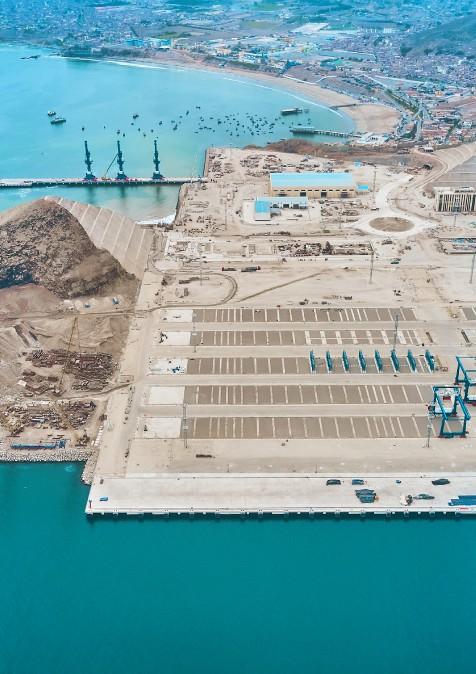
تناول هذا البودكاست، المنظم على هامش الدورة الرابعة عشرة من منتدى الحوارات الأطلسية، الدور الاستراتيجي للممرات البحرية باعتبارها رافعة للتنمية ومحركاً لإدماج اقتصادات الجنوب في التجارة العالمية. ويسلط النقاش الضوء على تأثير التحولات الجيوسياسية، وإعادة تشكيل سلاسل الإمداد، والتحول التكنولوجي على أمن هذه الممرات وحوكمتها. كما يؤكد على ضرورة معالجة الاختلالات البنيوية في النظام الدولي الحالي، وتمكين دول الجنوب، وخاصة إفريقيا، من امتلاك صوت فاعل في إعادة صياغة الحوكمة العالمية

RELATED CONTENT

  • Authors
    June 18, 2025
    In 2000, The Economist dismissed Africa as the “Hopeless Continent”—a label reflecting a broader system of marginalization rooted in colonial legacy and post-Cold War neglect. This essay offers a realist reappraisal, arguing that Africa’s growing strategic relevance is not the result of benevolence, but of structural necessity.Amid a fracturing global order and the rise of transactional geopolitics under Trump 2.0’s Bessent Doctrine, Africa has become indispensable: rich in critical ...
  • Authors
    Pepe Zhang
    Fernando Straface
    June 13, 2025
    This Paper was originally published on cebri.org Within an ever-evolving system of multilateral development banks (MDB) currently reshaped by four structural geo-economic trends, the emergence of new MDBs like the Asian Infrastructure Investment Bank (AIIB) and the New Development Bank (NDB) carries great geopolitical significance. Yet the new MDBs, attuned to institutional and operational realities, have not upended the MDB system. Their relationship with long-e ...
  • April 23, 2025
    The United States is at a critical juncture, facing a pivotal dilemma: preserving global leadership in a world it no longer fully controls. While it proclaims its primacy in the liberal international order, its actions tell a different story—one marked by tariffs, reshoring policies, and an open attempt to contain China’s rise. This strategy is driven less by long-term vision than domestic political calculus, underscoring the urgent need for strategic recalibration. ...
  • Authors
    Antonio Jorge Martins
    October 9, 2024
    The road to decarbonizing the planet runs through the energy transition, which includes the shift from fossil-fueled cars to renewable energy vehicles. This automotive transition is unfolding as a true revolution in the industry. The evolution toward electric and hybrid vehicles has come in tandem with the ascent of Chinese producers. In the current context of geopolitical and technological rivalries, the automotive transition has been marked by an intense trade war, with implicati ...
  • Authors
    October 3, 2024
    In an era marked by shifting global dynamics, Africa and the Middle East are experiencing a profound transition from traditional geopolitics to a more nuanced geoeconomic framework. This evolution reflects the growing recognition that economic interests, rather than mere political allegiances, are driving international relations in these regions. The rise of emerging powers, particularly China and other Asian nations, has challenged the long-standing dominance of Western economies, ...
  • Authors
    November 21, 2023
    Multiple shocks faced by the global economy over the past three years have apparently shaken the conventional wisdom on gains from economic integration, and have sparked widespread calls for protectionist and nationalist policies. Is there already evidence of some ‘deglobalization’, or do the factors that underlie globalization remain strong enough despite the shocks? So far, there are no signs of an overall reversal in the long-term trend of greater global trade integration. Howev ...
  • Authors
    November 2, 2023
    The global economic environment has changed as the U.S.—and to a less confrontational degree, the European Union—have clearly established a context of technological rivalry with China. Hindering China’s progress in the sophistication of semiconductor production has become a centerpiece of current U.S. foreign policy. While the U.S. is clearly winning the semiconductor war, the picture is different when it comes to clean-energy technology. Both technology wars overlap with access to ...