Quels seront les enjeux géopolitiques de l’après #COVIDー19 ? - Interview avec Rachid Houdaigui

April 9, 2020

- Quelle grille de lecture peut-on proposer pour l’après Covid-19 ? - Quelles sont ses implications géopolitiques ? - Quelles leçons tirées du débat actuel sur les conséquences géoéconomiques de la crise ?

Speakers
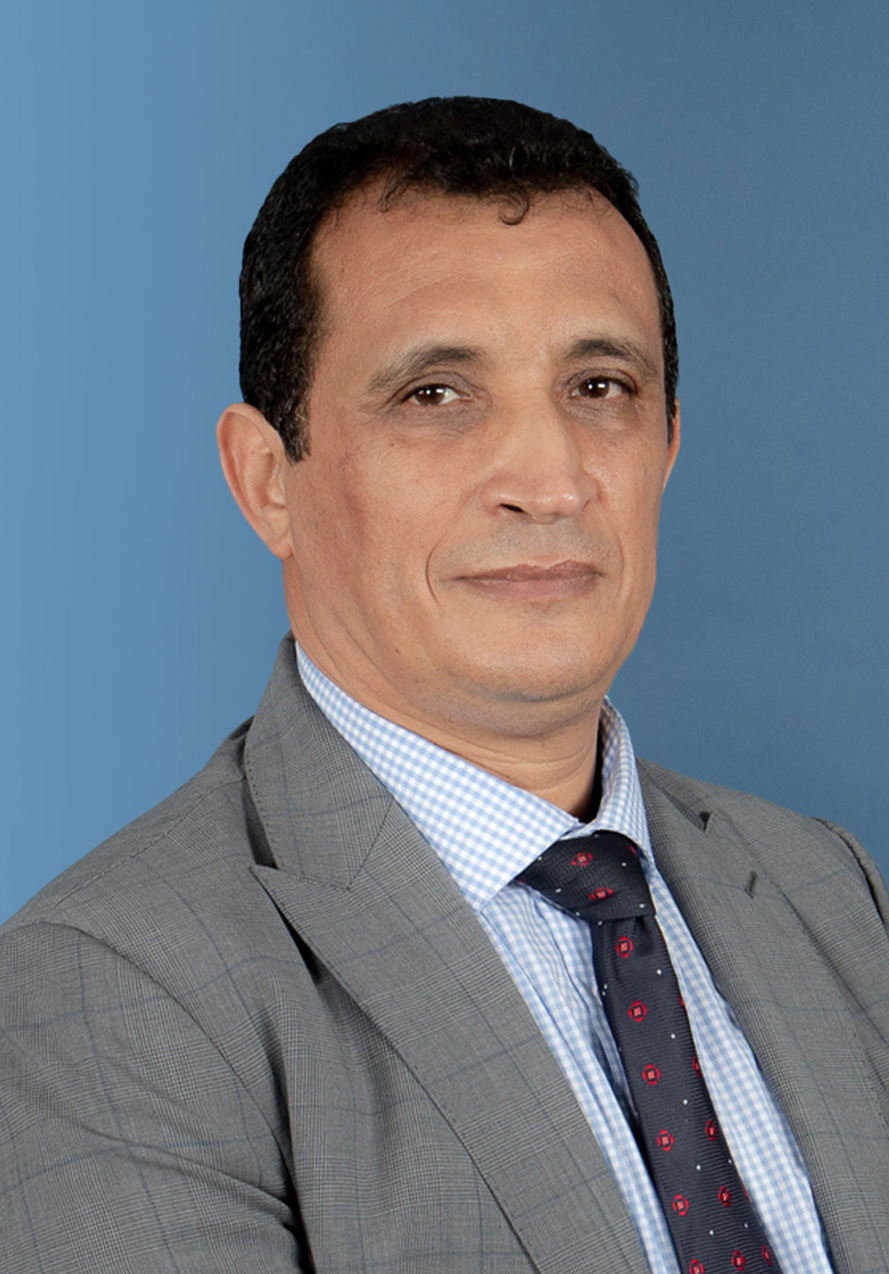
Rachid El Houdaigui
Senior Fellow
Rachid El Houdaïgui is a Senior Fellow at the Policy Center for the New South and an Affiliate Professor at Mohammed VI Polytechnic University. He also serves as a professor of International Relations at Abdelmalek Essaadi University's Law Faculty in Tangier. His expertise encompasses international relations, geopolitics, defense and security, focusing on the Mediterranean region, North Africa, and the Arab world. He also serves as a professor at the Royal College of Advanced Military Studies in Kenitra and is a visiting professor at Cergy-Pontoise University (Paris), Cadiz University (Spain), and La Sagesse University (Beirut, Lebanon).   He is the founder of the Moroccan-Spanish review "Peace and International Security" and oversees the Observatory of Mediterranean St ...
RELATED CONTENT

  • Authors
    Lina Jaoid
    October 8, 2026
    In the two years since the fall of Bashar al-Assad in Syria, Russia has restructured its Mediterranean presence. Although Russia’s limited and increasingly conditional access to the Khmeimim and Tartus facilities in Syria has been preserved, its presence in the country has morphed from Assad’s ‘patron-client’ configuration to a more negotiated engagement. Simultaneously, Russia has upgraded its force-projection and logistical infrastructure in eastern Libya, giving it an access path ...
  • October 7, 2026
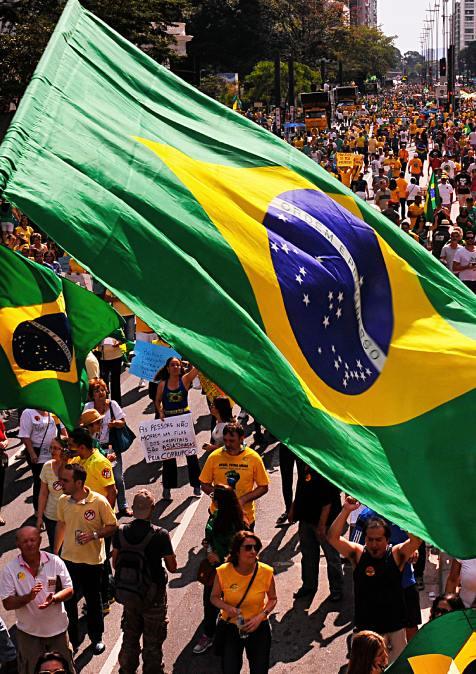
    Brazil's election poses a question that extends well beyond Latin America: how much freedom does a country retain to define its international role when external pressure collides with domestic political exhaustion? For the Global South, the answer matters more than any foreign government's preference regarding the next occupant of the presidential palace. Strategic autonomy remains fragile if every change of government puts a country's freedom of action back up for negotiation. ...
  • Authors
    Marie-Noelle Nwokolo
    October 6, 2026
    The author of this opinion, Marie-Noelle Nwokolo, is a 2024 alumna of the Atlantic Dialogues Emerging Leaders Program.In September 1978, delegations from 138 countries gathered in Buenos Aires, Argentina, around a powerful idea: developing countries had knowledge, experience and capabilities worth sharing with one another. The Buenos Aires Plan of Action gave institutional form to what we now call South-South Cooperation, part of a wider post-colonial effort by developing ...
  • October 02, 2026
    Building on his Policy Brief "Latin America, World Politics and the Great Powers", Nizar Messari examines how recent developments are reshaping U.S. influence in the region and affecting ...
  • Authors
    October 2, 2026
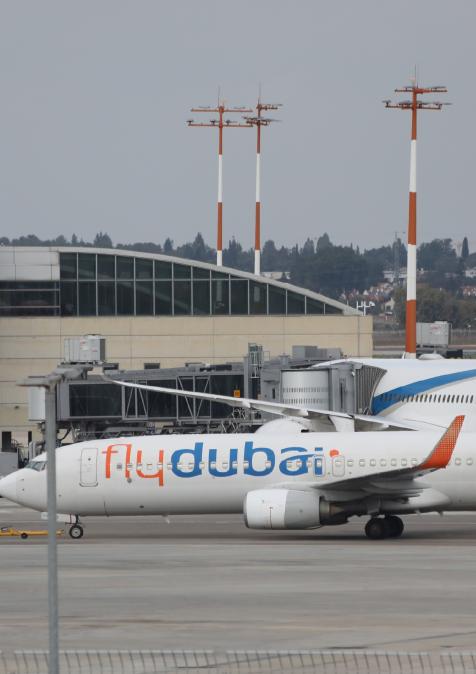
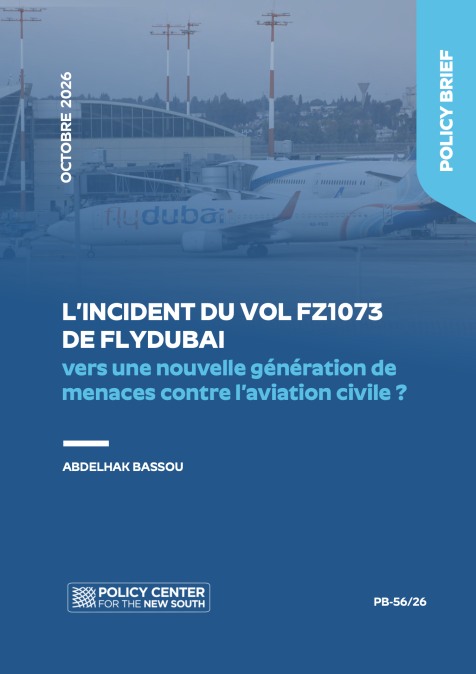
    The incident involving Flydubai Flight FZ1073 between Dubai and Tel Aviv does not yet support any definitive attribution. It does, however, provide a useful warning sign: as aviation security closes off traditional avenues of intrusion, threats may shift towards alternative pathways by exploiting the people, service providers, and systems that the aviation ecosystem must necessarily trust.  ...
  • Authors
    October 2, 2026
    L’incident du vol FZ1073 entre Dubaï et Tel-Aviv ne permet encore aucune attribution définitive. Il constitue en revanche un révélateur utile : à mesure que la sûreté aérienne ferme les voies classiques d’intrusion, la menace cherche à emprunter des voies alternatives en exploitant les personnes, les prestataires et les systèmes auxquels l’écosystème aéronautique doit nécessairement accorder sa confiance. ...
  • Authors
    September 30, 2026
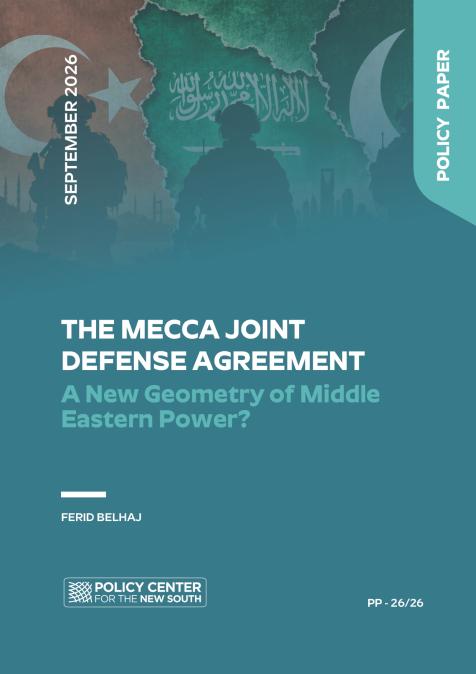
    On August 7, 2026, Saudi Arabia, Turkey, and Pakistan signed the Mecca Joint Défense Agreement, a collective-defense pact widely compared to NATO’s Article 5. This essay argues that the comparison is misleading. Mecca borrows NATO’s language of solidarity without yet possessing NATO’s institutional machinery, and the Houthi offensive against Saudi Arabia in September 2026 provided an early and revealing test of what the agreement actually means in practice. Neither Pakistan nor Turk ...
  • Authors
    September 30, 2026
    You can imagine how often I've been asked to comment on where the Brazilian economy is headed after the election. With polls pointing to a runoff on October 25 and currently showing a statistical tie between Luiz Inácio Lula da Silva and Flávio Bolsonaro in vote simulations, I'm naturally asked about their economic programs and about the country's relations with the United States. ...
  • September 28, 2026
    This paper was initially published in French on the website of the Fondation Jean-Jaurès. There was a historic decline in Official Development Assistance (ODA) in 2025. Foreign aid to developing countries from members of the OECD-DAC fell by some 23%, the largest decline on record and the second consecutive annual decline. Aid to Africa fell by more than 25%. The International Monetary Fund (IMF) described this decline in ODA to Africa as “a shock like no other.” It differ ...
  • September 25, 2026
    In this episode, Senior Fellow Ian Lesser examines the United States’ longstanding ties with the Mediterranean as the country marks its 250th anniversary. He discusses how a possible shif ...