Purpose Driven Companies and the Regulation of the Fourth Sector : Morocco Case study

January 26, 2022

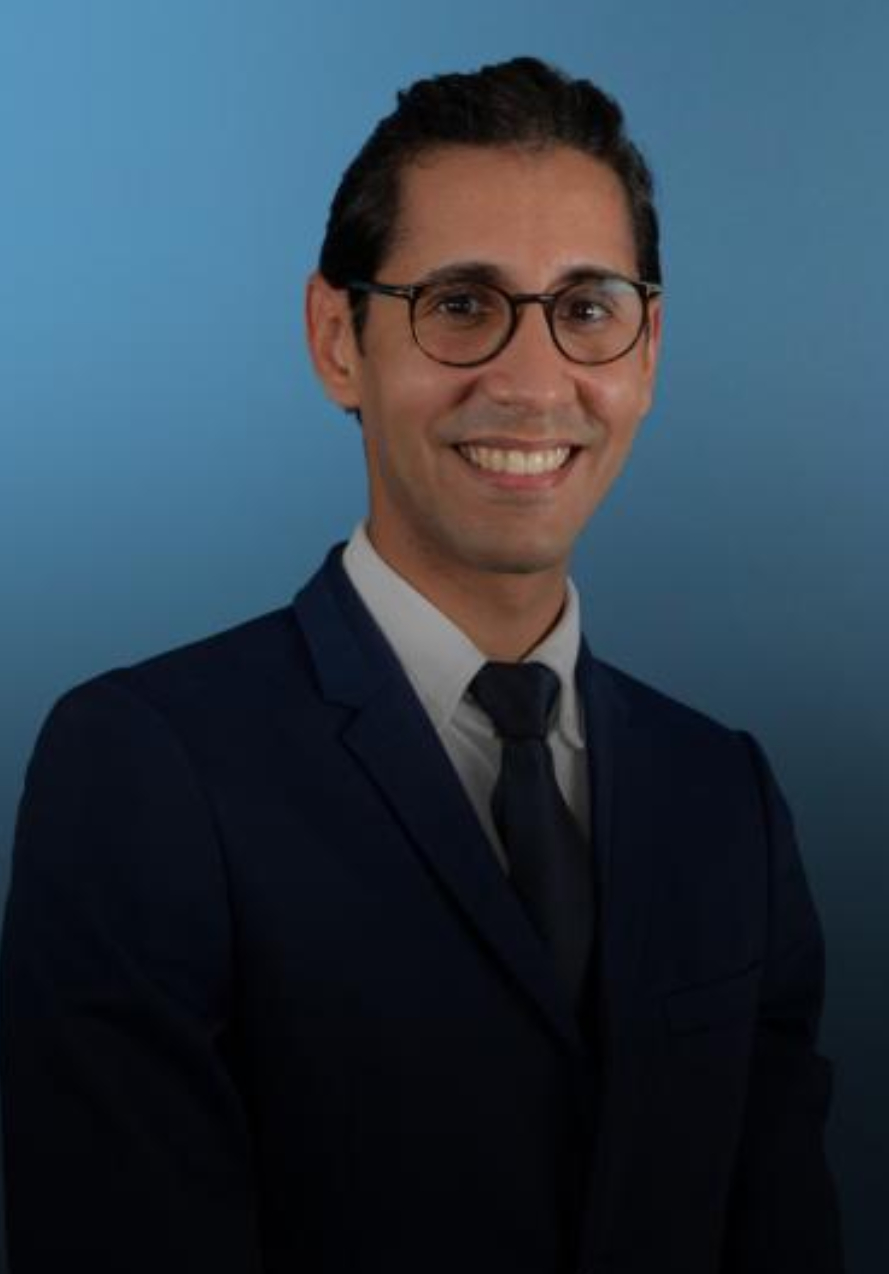
Purpose-Driven Companies are companies with dual business objective as they seek to be financially profitable, and tackle social and environmental issues at the same time. They play a significant role in advancing the 2030 Sustainable Development Goals (SDGs) but their development in the region is still constrained by regulations dedicated mainly for traditional companies that only aim to maximize profits in the short term. The Policy Center for The New South (PCNS) joined an inter-institutional effort between the Ibero-American General Secretariat (SEGIB), the United Nations Development Program (UNDP) and the International Development Research Centre (IDRC) in an international research project called ‘’Purpose-driven companies and the regulation of the Fourth Sector in Ibero-America’’. As this project grew to cover countries outside of Ibero-America, the PCNS was invited to write a chapter about the Moroccan jurisdiction. This webinar will present the Morocco Jurisdictional Report, written by two of the PCNS’ in-house experts: Ahmed Ouhnini and Abdelaaziz Ait Ali, under the guidance of Juan Diego Mujica Filippi, project coordinator and alumnus of the Atlantic Dialogues Emerging Leaders program.

Speakers
Abdelaaziz Ait Ali
Head - Research in Economics
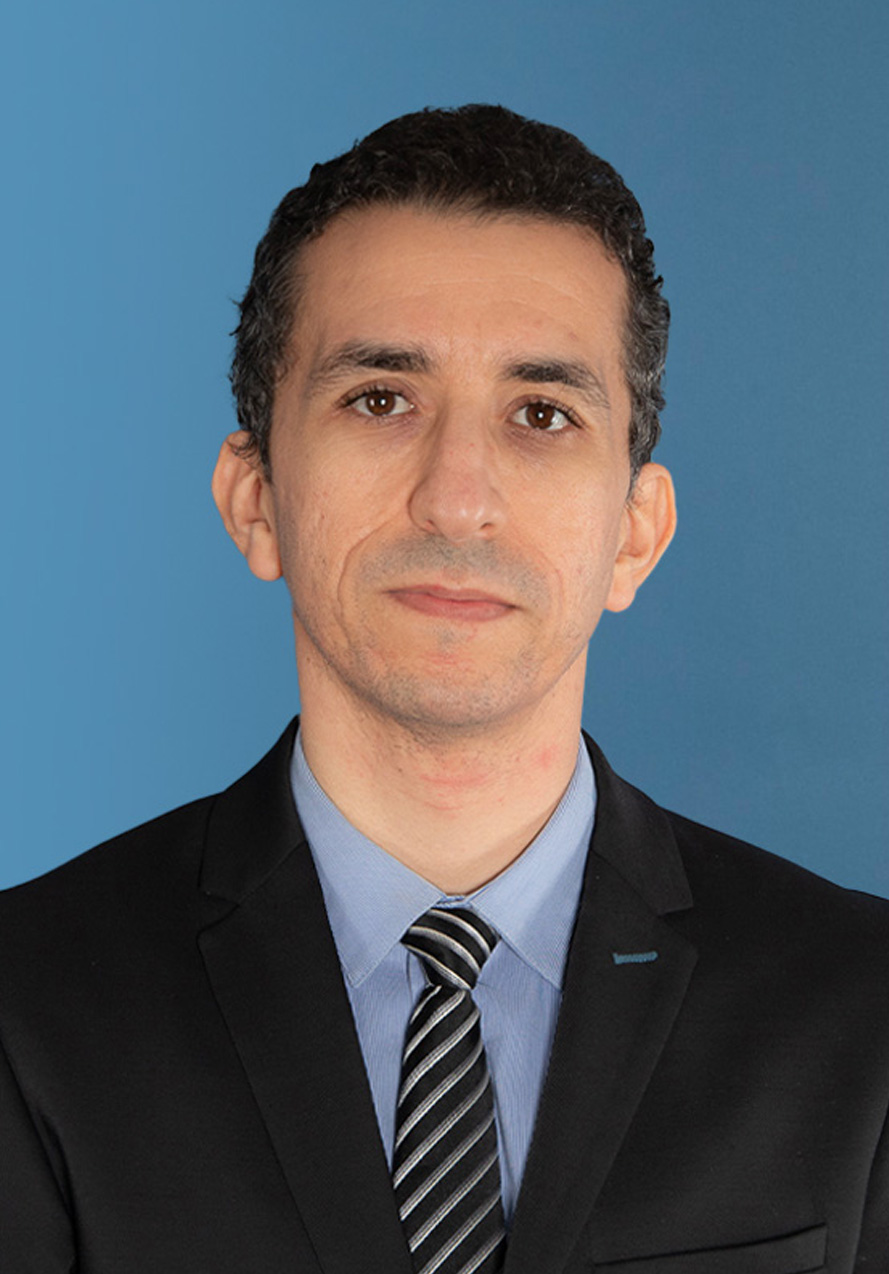
Abdelaaziz Ait Ali is a principal Economist and head of the Research Department at the Policy Center for the New South. He joined the Center in 2014 after five years of experience at the Central Bank of Morocco. He worked as an economist in the International Studies and Relations Department and was analyzing the real estate price index and financial asset prices for monetary policy and financial stability purposes. Since then, Abdelaaziz has focused on cyclical and structural issues of the Moroccan economy, including macroeconomic management and industrial policy design. He has published articles on the reform of the exchange rate regime in the Moroccan economy and its implications for macroeconomic regulation, as well as on the evolution of the macroeconomic framework over th ...
Lilia Rizk
Chargée de Mission to the Executive President
...
Ahmed Ouhnini
Economist, Policy Center for the New South
Ahmed Ouhnini is an Economist at the Policy Center for the New South. His research area covers agricultural economics, human and social development. Previously, he has worked as a researcher at the Paris School of Economics (PSE) and has also a record of working in consulting services in Morocco. Ahmed holds an engineering Diploma in Agriculture and Rural Development from the National School of Agriculture of Meknes and a Master’s Degree in Law, Economics and Management from the Paris 1 Pantheon Sorbonne Institute of Development. ...

RELATED CONTENT

  • July 28, 2026
    تتناول هذه الحلقة اندماج المغرب في سلاسل القيمة العالمية، من خلال توضيح مفهومها واستعراض كيفية انخراط المغرب فيها عبر تطوير عدد من القطاعات الصناعية وجذب الاستثمارات الأجنبية. كما تسلط الضوء على أبرز المكاسب الاقتصادية والصناعية التي حققها هذا الاندماج، مقابل التحديات التي ما تزال تحدّ ...
  • July 15, 2026
    تناقش هذه الحلقة واقع المنافسة في الأسواق المغربية وعلاقتها بتطور الأسعار والقدرة الشرائية للمواطنين. كما تسلط الضوء على أبرز العوامل المؤثرة في الأسعار، سواء المرتبطة بالمنافسة أو بتكاليف الإنتاج وسلاسل التوزيع. ويتناول الحوار دور مجلس المنافسة والسلطات العمومية والفاعلين الاقتصاديين ف...
  • July 3, 2026
    This Policy Paper has also been published in French and Spanish by Le Grand Continent Morocco offers a compelling example of how a middle-income economy can navigate a more fragmented global environment, characterized by weak growth and slower convergence. Since 2022, economic activity has remained relatively strong, with growth exceeding that of many comparable economies. Non-agricultural growth has averaged 4.4% since 2022, around 1.3 percentage points above its historical av ...
  • June 30, 2026
    À l'échelle mondiale, les politiques publiques de jeunesse sont confrontées à un double enjeu : répondre à des défis socio-économiques structurels; chômage, précarité, fractures territoriales, tout en intégrant une demande croissante de participation citoyenne effective. (OIT, 2023 ; Nations Unies, 2020) En Afrique, ce défi revêt une dimension singulière compte tenu du poids démographique de la jeunesse et des fragilités persistantes des démocraties locales. (BAD, 2020 ; Mo Ibrahim ...
  • June 30, 2026
    Globally, public policies for youth face a twofold challenge: addressing structural socioeconomic challenges—such as unemployment, precariousness, and regional disparities—while accommodating a growing demand for effective civic participation. (ILO, 2023; United Nations, 2020) In Africa, this challenge takes on a unique dimension given the demographic weight of the youth population and the persistent fragility of local democracies. (AfDB, 2020; Mo Ibrahim Foundation, 2023)Elections ...
  • June 26, 2026
    Au Maroc, la problématique des jeunes NEETs (Ni en emploi, ni en études, ni en formation) constitue une urgence nationale, alimentée par 300 000 abandons scolaires annuels. Face à ce défi, le modèle de l'École de la Deuxième chance nouvelle génération (E2C-NG) a démontré sa pertinence en affichant un taux d'insertion exceptionnel de 81 %.Cependant, ce succès institutionnel repose intégralement sur un tissu associatif local aujourd'hui fragilisé. L'analyse inédite des donné ...
  • June 15, 2026
    Cette interview revient sur le rôle structurant des infrastructures portuaires dans l’industrialisation du Maroc, à travers l’exemple de Tanger Med. Elle souligne aussi l’importance de la digitalisation, de la formation et de la connexion des régions intérieures pour renforcer la compét...
  • Authors
    Karim El Mokri
    Idriss El Abbassi
    June 8, 2026
    Le monde du travail est engagé dans un processus de mutation sans précédent. La quatrième révolution industrielle, portée par l’intelligence artificielle (IA) et la robotisation, a été le point de commencement d’une ère nouvelle où les repères économiques et sociaux se redéfinissent à une vitesse inédite. Ces technologies suscitent un engouement légitime et offrent des perspectives prometteuses, mais requièrent une vigilance accrue face aux incertitudes qui les entourent.Bien que, à ...