Les Politiques Economiques de Relance Post-Covid-19 : Regards Croisés

June 12, 2020

Le Laboratoire d’Economie Appliquée ( LEA) de la Faculté des Sciences Juridiques Economiques et Sociales Rabat - AGDAL en partenariat avec le Policy Center for the New South, a le plaisir de vous inviter à participer à la table ronde organisée sous le thème «Les politiques économiques de relance Post Covid-19 : Regards croisés », qui se tiendra le vendredi 12 juin 2020 à 18h00 (Heure de Rabat). Les politiques économiques de gestion de la crise issue du covid-19 sont en rupture avec les pratiques antérieures. Elles sont audacieuses et révèlent au grand jour la capacité des pays, quand ils mettent en stand-by les prêts à penser- orthodoxes-, à gérer des chocs extrêmes. Il s’agit maintenant d’examiner la capacité des politiques économiques de relance post Covid-19 à l’échelle internationale et au Maroc, de saisir cet effet de révélation, de le traduire en stratégies innovantes à même de reconstruire un Maroc social inclusif et durable.
Speakers
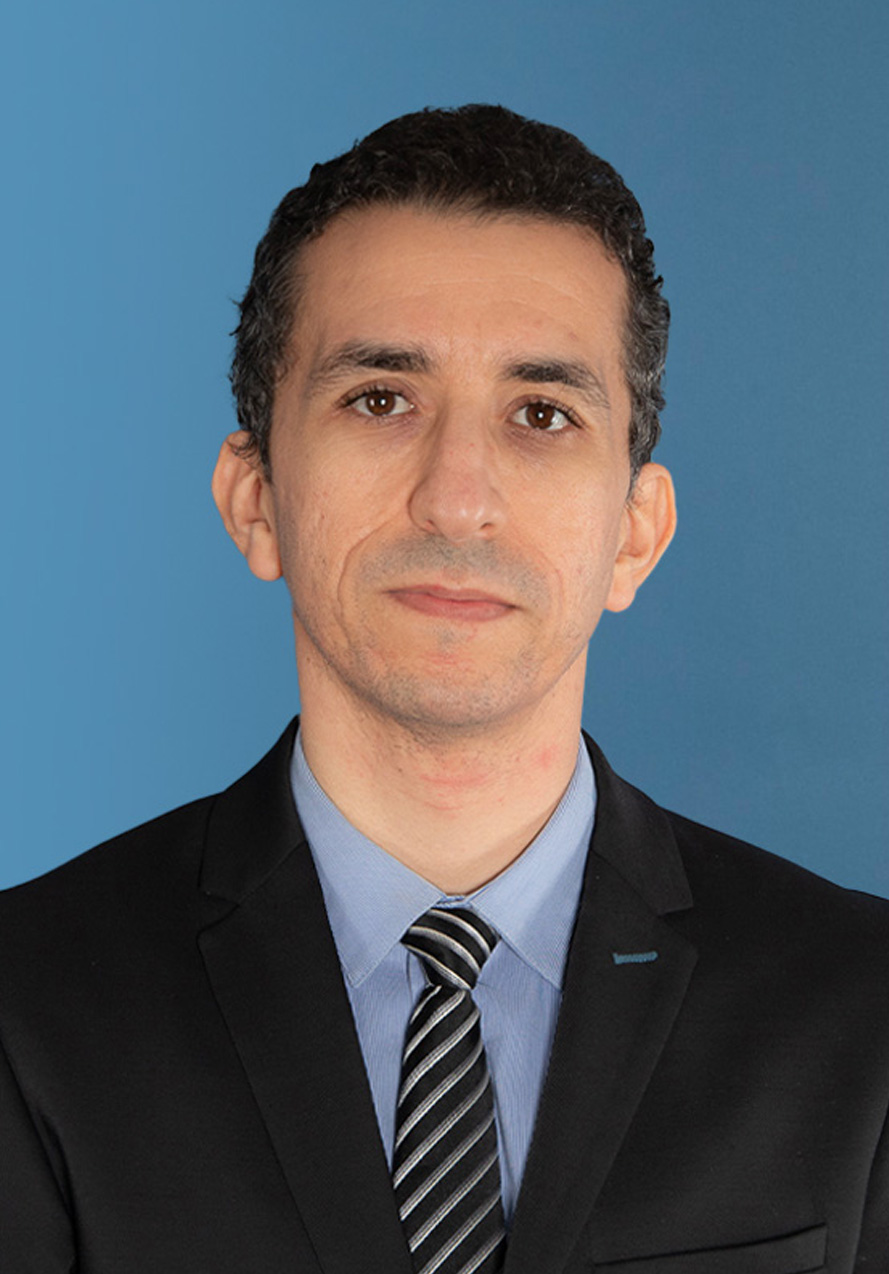
Abdelaaziz Ait Ali
Head - Research in Economics
Abdelaaziz Ait Ali is a principal Economist and head of the Research Department at the Policy Center for the New South. He joined the Center in 2014 after five years of experience at the Central Bank of Morocco. He worked as an economist in the International Studies and Relations Department and was analyzing the real estate price index and financial asset prices for monetary policy and financial stability purposes. Since then, Abdelaaziz has focused on cyclical and structural issues of the Moroccan economy, including macroeconomic management and industrial policy design. He has published articles on the reform of the exchange rate regime in the Moroccan economy and its implications for macroeconomic regulation, as well as on the evolution of the macroeconomic framework over th ...
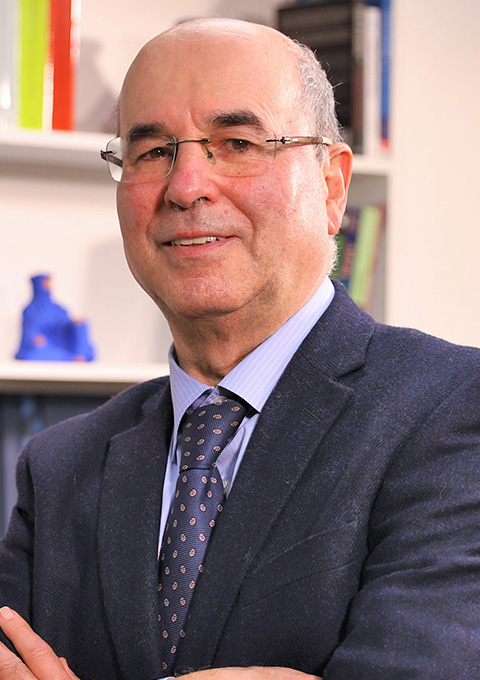
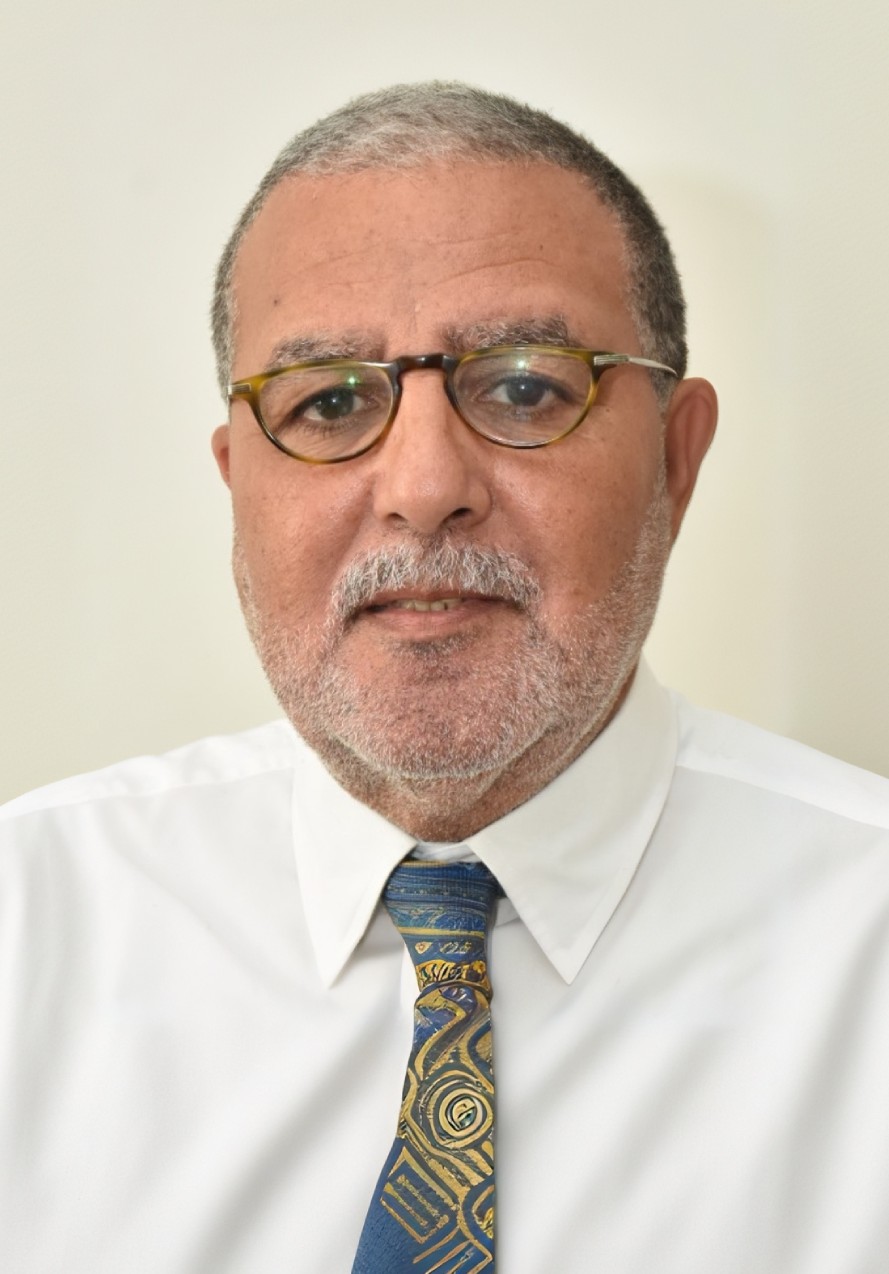
Idriss El Abbassi
Professor of economics, Mohammed V University
Idriss El Abbassi is a Professor of Economics at Mohammed V University in Rabat and coordinator of the Master’s programme in economics. He holds a PhD from Florida State University, and his research focuses on open-economy macroeconomics, growth, and structural transformation. He teaches at both the Master’s and PhD levels and is a founding member of the Laboratory of Applied Economics. A former director of the EMPRETEC/UNCTAD programme in Morocco, he has also been a visiting professor in London. He co-authored Human Capital and Economic and Social Development in Morocco and has recently published in The Economic and Labour Relations Review and Structural Change and Economic Dynamics. ...
Lahcen Oulhaj
Laboratoire d'Economie Appliquée (LEA), FSJES Agdal
...
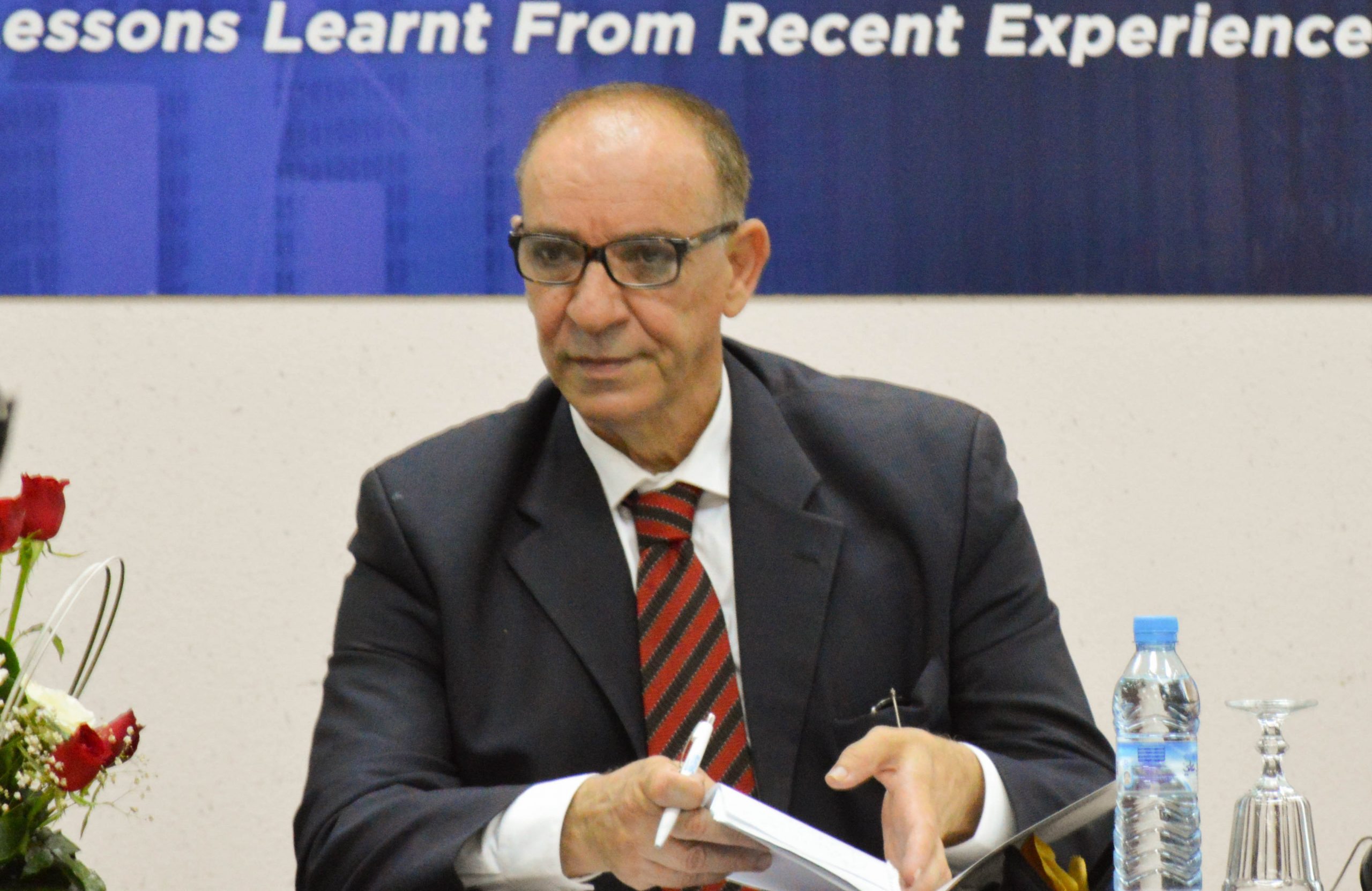
Larabi Jaïdi
Senior Fellow
Larabi Jaïdi is a Senior Fellow at the Policy Center for the New South and an Affiliate Professor at Mohammed VI Polytechnic University. His areas of expertise include international economy, economic policies, international economic relations, regional economies, social development, international relations, and Mediterranean studies. He also served on the Special Commission on the New Development Model of Morocco, a consultative body created in November 2019 to formulate the country's new developmental guidelines. Jaïdi is a former Professor at Mohamed V University in Rabat-Agdal and a founding member of both the Centre Marocain de Conjoncture and the Groupement d’Etudes et de Recherches sur la Méditerranée.   Prof. Jaïdi previously served as Advisor to the Prime Minist ...
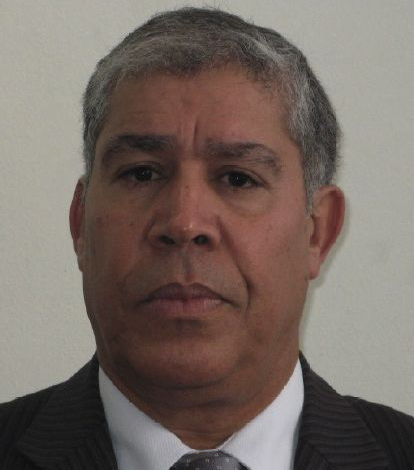
Saïd Tounsi
Professor and Researcher, Mohammed V University
Saïd Tounsi is a Professor and Researcher at Mohammed V University in Rabat. A specialistin economic policies, particularly fiscal policy, he has authored several studies onpublic debt sustainability and exchange rate regimes in developing countries. He has alsoco-edited collective volumes on macroeconomic policies in Morocco. A former trainer atthe IGF and Bank Al-Maghrib, he combines academic expertise with institutional experiencein analysing national and international economic dynamics. ...

RELATED CONTENT

  • From

    24
    3:00 pm February 2022
    Rising commodities prices are a common concern whether at the consumer level, or large industrials and fortune 500s. While the evolution of consumer prices was close to 2% in the USA and stuck below 1.5% in Europe pre-COVID, with oil prices and the direction of industrial metals and agricultural raw materials prices in decline, the current situation is just the opposite. Since economies bottomed out in June 2020, energy prices and non-energy commodities including agriculture and metals have soared even begging the question of whether we are entering a commodity super-cycle. Originally, this movement was initiated by constraints on the supply side: ramifications of weather events on crops, reduced supplies as a result of sanitary measures, tight oil production quotas etc. Logi ...
  • From

    23
    4:30 pm February 2022
    Les hostilités commerciales entre la Chine et les États-Unis, qui se sont intensifiées sous la présidence de D. Trump et qui se sont poursuivies sous l'administration américaine actuelle, marquent un tournant dans la libéralisation de l'économie mondiale depuis la fin de la Seconde Guerre mondiale. Le système commercial mondial est en ruine en raison de cette guerre commerciale, ainsi que du démantèlement du processus de règlement des différends de l'Organisation mondiale du commerce et des violations fréquentes des règles par ses membres. Cependant le système commercial d'après-guerre ne touche pas à sa fin ; il évolue plutôt vers un ensemble d'interactions commerciales plus compliquées, politiques et controversées. La nouvelle structure sera très probablement basée sur une O ...
  • From

    16
    5:30 pm February 2022
    Rida Lyammouri, Senior Fellow at Policy Center for the New South, will be speaking at the webinar “security and governence in africa: sahel and libya” organized by frica Study Group in partnership with The Middle East Institute. The security dynamics of the Maghreb and the Sahel are intertwined and the consequences of the Libyan conflict on the Sahel have been serious. Since its beginning in 2011, this conflict has triggered global concern about the economic, security, and geostrategic impacts on the Sahel. Current threats are posed by the illicit transfer, destabilizing accumulation, and misuse of arms, as well as the flow of armed groups and mercenaries. Despite considerable international efforts, especially by African countries, the Sahel is still experiencing one of the ...
  • From

    14
    2:00 pm February 2022
    Aomar Ibourk, Senior Fellow au Policy Center for the New South, interviendra lors d’une table ronde dans le cadre d’un webinaire de présentation du rapport « Paysage de l’emploi au Maroc » organisé par la Banque mondiale et le Haut-Commissariat au Plan. L’objectif du webinaire sera de présenter les résultats clés du rapport « Paysage de l’emploi au Maroc » par le Haut-Commissariat au Plan et par la Banque mondiale, suivi par une discussion sur les principaux faits saillants du rapport et la présentation des points de vue des différents panélistes sur le marché du travail marocain et les perspectives de l’emploi au Maroc. A l’issue de ces présentations, une table ronde de discussion autour du rapport sera animée. Cet évènement aura lieu le Lundi 14 Février 2022 à 14 :0 ...
  • Authors
    Benjamin Augé
    While the Brent oil prices in London have been fluctuating between 20 and 35 dollars per barrel for several weeks, and while American oil prices in New York even reached negative values on 20 April, most African oil-producing countries have, at the end of 2019, passed their 2020 budgets on the basis of rather optimistic forecasts, sometimes betting on an increase in expenditure financed by borrowing (Nigeria). Some of these countries were expecting Brent prices to be rather high in ...
  • Authors
    L'environnement dans lequel fonctionnent les systèmes financiers des pays arabes du Sud de la Méditerranée (PASM)1 a changé ces deux dernières décennies. Ces systèmes pays ont connu de profondes mutations depuis le déclenchement de la crise financière internationale. Certes ils n’ont pas subi de conséquences directes de la crise, mais la dégradation de la croissance mondiale a eu des effets majeurs sur les économies de ces pays. Les tensions politiques de la région ont aussi forteme ...