Les Politiques Economiques de Relance Post-Covid-19 : Regards Croisés

June 12, 2020

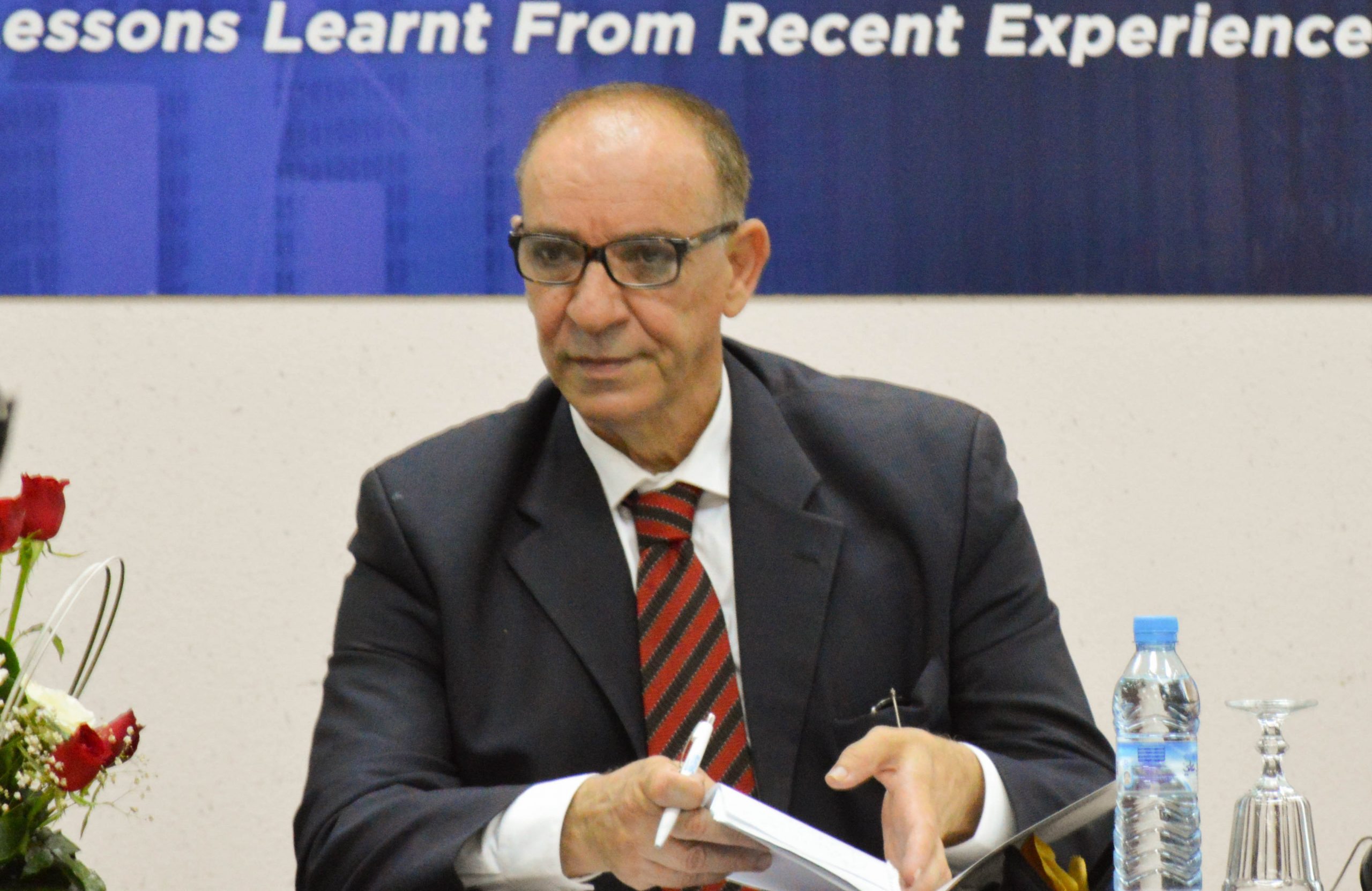
Le Laboratoire d’Economie Appliquée ( LEA) de la Faculté des Sciences Juridiques Economiques et Sociales Rabat - AGDAL en partenariat avec le Policy Center for the New South, a le plaisir de vous inviter à participer à la table ronde organisée sous le thème «Les politiques économiques de relance Post Covid-19 : Regards croisés », qui se tiendra le vendredi 12 juin 2020 à 18h00 (Heure de Rabat). Les politiques économiques de gestion de la crise issue du covid-19 sont en rupture avec les pratiques antérieures. Elles sont audacieuses et révèlent au grand jour la capacité des pays, quand ils mettent en stand-by les prêts à penser- orthodoxes-, à gérer des chocs extrêmes. Il s’agit maintenant d’examiner la capacité des politiques économiques de relance post Covid-19 à l’échelle internationale et au Maroc, de saisir cet effet de révélation, de le traduire en stratégies innovantes à même de reconstruire un Maroc social inclusif et durable.
Speakers
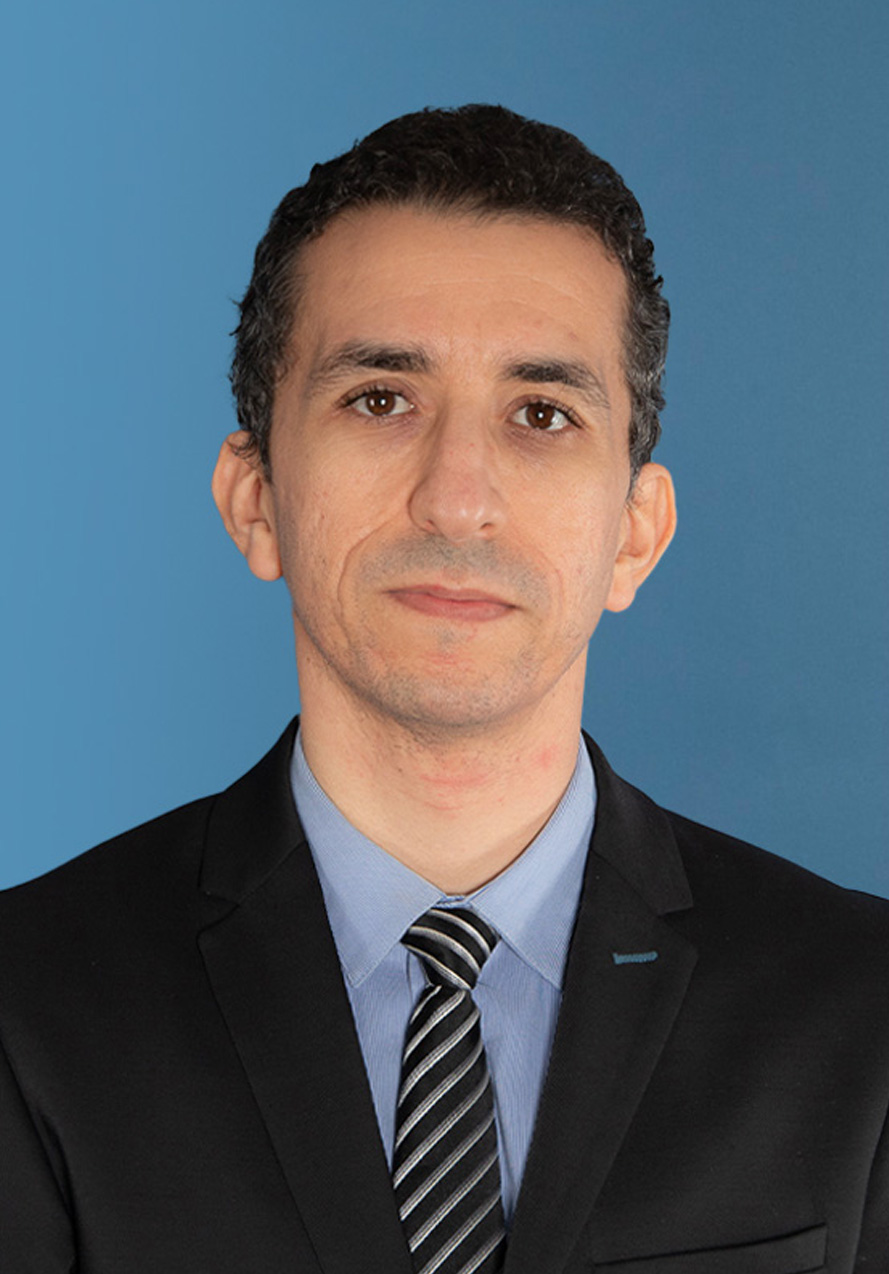
Abdelaaziz Ait Ali
Head - Research in Economics
Abdelaaziz Ait Ali is a principal Economist and head of the Research Department at the Policy Center for the New South. He joined the Center in 2014 after five years of experience at the Central Bank of Morocco. He worked as an economist in the International Studies and Relations Department and was analyzing the real estate price index and financial asset prices for monetary policy and financial stability purposes. Since then, Abdelaaziz has focused on cyclical and structural issues of the Moroccan economy, including macroeconomic management and industrial policy design. He has published articles on the reform of the exchange rate regime in the Moroccan economy and its implications for macroeconomic regulation, as well as on the evolution of the macroeconomic framework over th ...
Idriss El Abbassi
Professor of economics, Mohammed V University
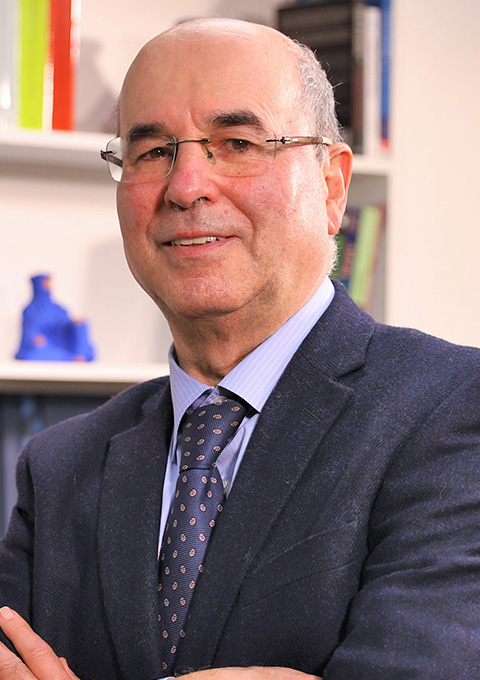
Idriss El Abbassi is a Professor of Economics at Mohammed V University in Rabat and coordinator of the Master’s programme in economics. He holds a PhD from Florida State University, and his research focuses on open-economy macroeconomics, growth, and structural transformation. He teaches at both the Master’s and PhD levels and is a founding member of the Laboratory of Applied Economics. A former director of the EMPRETEC/UNCTAD programme in Morocco, he has also been a visiting professor in London. He co-authored Human Capital and Economic and Social Development in Morocco and has recently published in The Economic and Labour Relations Review and Structural Change and Economic Dynamics. ...
Lahcen Oulhaj
Laboratoire d'Economie Appliquée (LEA), FSJES Agdal
...
Larabi Jaïdi
Senior Fellow
Larabi Jaïdi is a Senior Fellow at the Policy Center for the New South and an Affiliate Professor at Mohammed VI Polytechnic University. His areas of expertise include international economy, economic policies, international economic relations, regional economies, social development, international relations, and Mediterranean studies. He also served on the Special Commission on the New Development Model of Morocco, a consultative body created in November 2019 to formulate the country's new developmental guidelines. Jaïdi is a former Professor at Mohamed V University in Rabat-Agdal and a founding member of both the Centre Marocain de Conjoncture and the Groupement d’Etudes et de Recherches sur la Méditerranée.   Prof. Jaïdi previously served as Advisor to the Prime Minist ...
Saïd Tounsi
Professor and Researcher, Mohammed V University
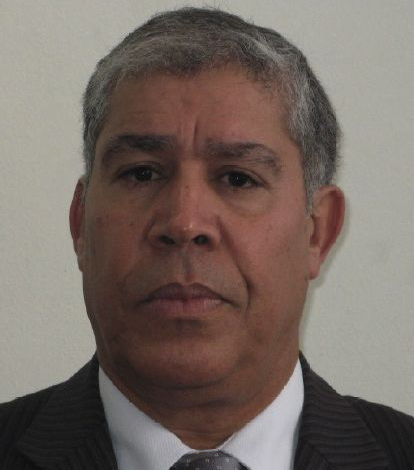
Saïd Tounsi is a Professor and Researcher at Mohammed V University in Rabat. A specialistin economic policies, particularly fiscal policy, he has authored several studies onpublic debt sustainability and exchange rate regimes in developing countries. He has alsoco-edited collective volumes on macroeconomic policies in Morocco. A former trainer atthe IGF and Bank Al-Maghrib, he combines academic expertise with institutional experiencein analysing national and international economic dynamics. ...

RELATED CONTENT

  • February 8, 2016
    Brazil is in a good position to serve as a bridge to Africa and to reignite more cooperation between both sides of the South Atlantic. Brazil has increased its presence in Africa in recent years in terms of trade, investment, development cooperation, and political alliances with the goal to secure a greater say for the global South in the new world order that has been under construction since the of the Cold War. This has been pursued through financial support and proactive economic ...
  • Authors
    February 1, 2016
    Industrial policy is a controversial, even taboo, subject in policy circles. Yet it is widely practiced by advanced and developing countries alike2 . This note tries to make sense of this paradox. It argues that industrial policy can be a useful weapon in the development policy arsenal. However, the effectiveness of industrial policy is more circumscribed than many of its practitioners think, and there are significant risks associated with getting it wrong, especially in a poor gove ...
  • January 27, 2016
    This podcast is performed by Prakash Loungani. He is Senior Fellow at Policy Center for the New South and Advisor in the Research Department of the International Monetary Fund, was interv ...
  • Authors
    January 12, 2016
    Q: The U.S. Federal Reserve on Dec. 16 raised interest rates, ending what Fed Chairwoman Janet Yellen called an “extraordinary seven-year period” during which policymakers kept the federal funds rate near zero in an effort to support the economy. How will the Fed’s action affect Latin American economies, many of which are struggling with anemic growth and low prices for their commodity exports? How will the interest rate hike affect Latin American countries’ ability to pay off ...
  • Authors
    Nisrine Ouazzani
    January 6, 2016
    The economic growth of the African continent and its positioning as an emerging force is a reality no longer questioned. Optimism surrounding the Africa rising narrative is supported by a growing young workforce, an expanding middle class, new discoveries of natural resources and minerals, relative political stability and infrastructure developments. Economic and international financial actors now recognize the potential that the continent represents for the world economy, consider ...
  • Authors
    December 23, 2015
    Global economic growth is likely to be a little better in 2016 than this year’s lackluster outcome. The ongoing slow recovery in the United States and Europe is likely to continue. However, weakness in China as well as several large emerging markets, and sluggishness of world trade, mean that risks are weighted on the downside of this forecast. Morocco, which is reliant on European markets, is a heavy importer of oil, and whose currency has devalued in effective terms, should find t ...