Les Mardis du PCNS 27/04/2021 : العنف القائم على النوع الاجتماعي في الفضاء الجامعي

April 27, 2021

ما زال موضوع العنف القائم على النوع الاجتماعي لم یفرض ذاته على البحث في العلوم الاجتماعیة في المغرب، ویتضح ھذا من ندرة الكتابات فیه إذ لا نجد عديدا من الدراسات الميدانية التي تقربنا من وضعیة ھذه السلوكات داخل المجتمع والذي أصبح يعرف تناميا لها في الفضاء العمومي ومصدر قلق جعل بعض الفاعلین في المجتمع المدني یشتغلون في اتجاه التحرك لمواجھة الظاھرة. في الفضاء الجامعي مثلا، شأنه شأن الفضاءات الأخرى، تنال مثل هذه الممارسات التمييزية وغير اللائقة وحتى العنيفة من سلامة الأشخاص وتؤثر في مسيرتهم الدراسية أو المهنية، كما يتمّ تكريس القوالب النمطية المتعلقة بالنوع الاجتماعي، بما يؤدّي إلى إدامة مظاهر التمييز واللامساواة بين الجنسين. وإذا كانت بعض المجتمعات قد سنت قوانین للحد من العنف القائم على النوع الاجتماعي، فإن ھذا لا ینفي وجود الظاھرة أو تراجعھا، بل ربما تزایدھا واتساع حدتھا. سنحاول إذن في هذه الحلقة الوقوف على واقع العنف القائم على النوع الاجتماعي في الوسط الجامعي انطلاقا من فرضیة أن ھذا الوسط یتمیز ربما بخصائص لا نجدھا في الفضاء العمومي نظرا لطبیعة الفئات الاجتماعیة المنتمیة إلیه وانطلاقا من فرضیة أننا لسنا أمام ظاھرة مستقلة كحقیقة موضوعیة؛ وإنما یتم بناؤھا اجتماعيا وثقافيا وفق تمثلات الأفراد. فما هي أبرز تجليات العنف القائم على النوع الاجتماعي في الفضاء العمومي؟ ما هي مظاهر العنف القائمة في الجامعة وآثارها على حقوق الانسان الخاصة بالنساء؟ ما هي التحديات التي تواجهنا لإنهاء العنف القائم على النوع الاجتماعي؟ كيف يمكن تجاوز هذه الظاهرة؟ وهل هناك إجراءات فعالة متخذة لتجاوزها؟ وعلى المستوى العالمي، ما هي الأوراش التي تعمل عليها هيئة الأمم المتحدة للمرأة؟ وهل العنف القائم على النوع الاجتماعي ملفا ذو أولية؟ المسيّرة: إيمان لهريش، مسؤولة عن البرامج بمركز السياسات من أجل الجنوب الجديد المتدخلة: نعيمة بنواكريم، فاعلة حقوقية مختصة في النوع الاجتماعي

Speakers
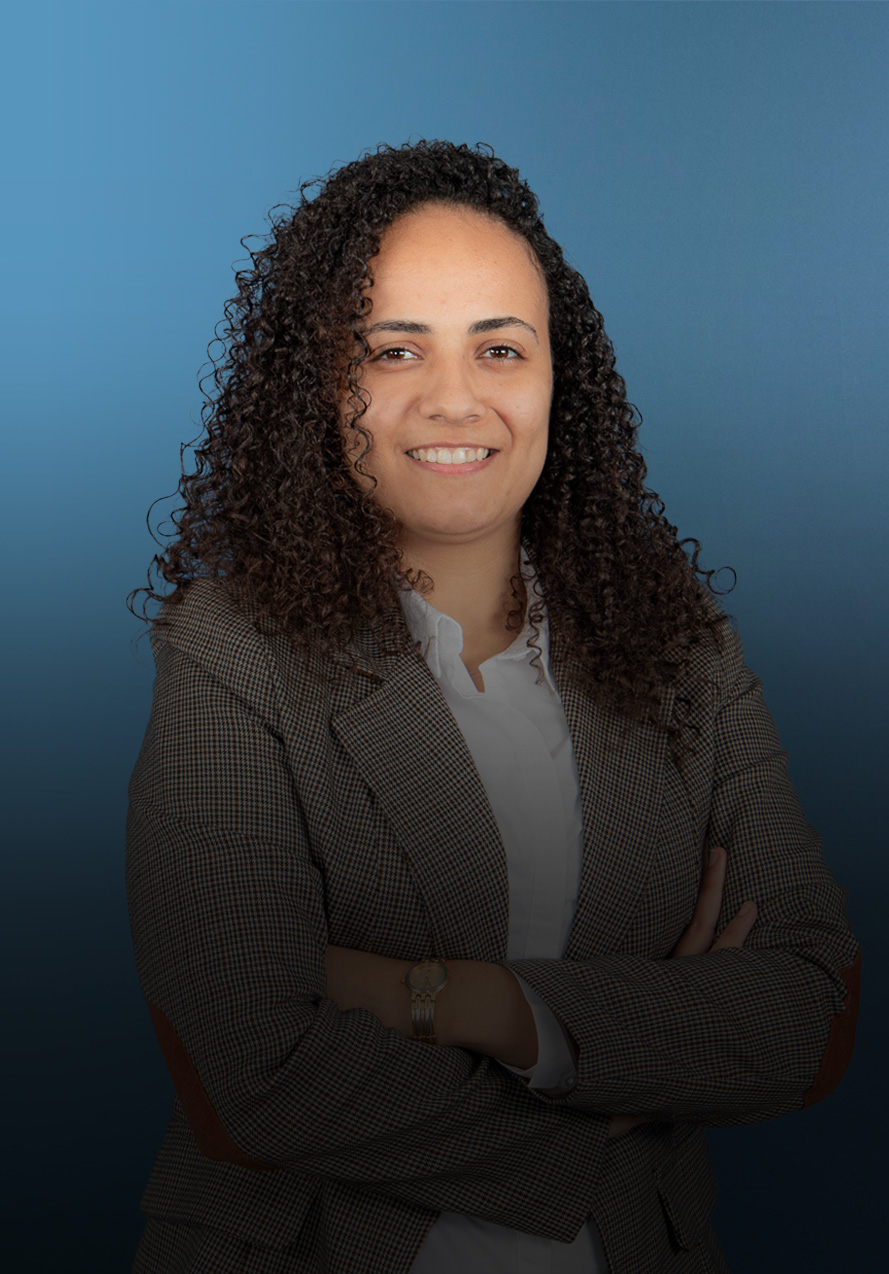
Imane Lahrich
Head – Research Valorization
Imane Lahrich is the Head of Research Valorization Department, having previously served as a Partnerships & Research Support Officer at the Policy Center for the New South since 2019. She mainly worked on security-development related projects. She has experience as a Project Manager in a Strategic Intelligence firm (2017-2019) and as a research consultant in the MENA region, focusing on international development and the Rule of Law. Imane Lahrich holds a Master's in Political Studies and a Bachelor's in Political Science from Mohammed V University of Rabat. She also participated in a one-year exchange program at Masaryk University in the Czech Republic under the EMMAG MUNDUS Excellence scholarship.     ...

RELATED CONTENT

  • June 30, 2026
    Globally, public policies for youth face a twofold challenge: addressing structural socioeconomic challenges—such as unemployment, precariousness, and regional disparities—while accommodating a growing demand for effective civic participation. (ILO, 2023; United Nations, 2020) In Africa, this challenge takes on a unique dimension given the demographic weight of the youth population and the persistent fragility of local democracies. (AfDB, 2020; Mo Ibrahim Foundation, 2023)Elections ...
  • June 30, 2026
    À l'échelle mondiale, les politiques publiques de jeunesse sont confrontées à un double enjeu : répondre à des défis socio-économiques structurels; chômage, précarité, fractures territoriales, tout en intégrant une demande croissante de participation citoyenne effective. (OIT, 2023 ; Nations Unies, 2020) En Afrique, ce défi revêt une dimension singulière compte tenu du poids démographique de la jeunesse et des fragilités persistantes des démocraties locales. (BAD, 2020 ; Mo Ibrahim ...
  • June 26, 2026
    Three years after the adoption of the first National Action Plan (NAP) on the Women, Peace and Security (WPS) Agenda, Morocco has made real institutional progress, but implementation is still inadequate. The extension of the NAP opens a window of opportunity to prepare a second, more ambitious and operational cycle.This Policy Brief identifies four persistent obstacles: a virtually stagnant female employment rate of 19.1%, less than 3% female representation in peacekeeping contingen ...
  • May 20, 2026
    La participation des femmes au marché du travail au Maroc demeure l'un des défis les plus structurels du développement économique et social du pays. Avec un taux d'activité féminin de seulement 19 % en 2023, contre 69 % pour les hommes (HCP, 2024), le Maroc présente l'un des écarts de genre les plus prononcés parmi les économies en développement (Banque mondiale, 2024). Ce Research Paper propose une analyse économétrique rigoureuse et multiniveaux des déterminants de cette participa ...
  • Authors
    Hajar Kabbach
    May 11, 2026
    Closing Morocco's gender employment gap could increase GDP per capita by 40-50 percent; yet female labor force participation stands at just 19 percent—among the lowest in the world and still declining. This policy paper argues that investing in the care economy is not merely a social expenditure, but a productive economic strategy with measurable returns. Drawing on international evidence from Uruguay, Mexico, Colombia, and India, the brief demonstrates that well-designed care syste ...
  • April 30, 2026
    This Africafé episode features Patience Chiradza from the African Union, discussing the critical role of African women in governance and peacebuilding.  It highlights existing frameworks like the Maputo Protocol and acknowledges progress, while emphasizing persistent barriers such ...
  • April 28, 2026
    Cet épisode met en lumière les dynamiques de genre au Maroc, en soulignant l’écart entre les avancées juridiques et leur application concrète. Il aborde la baisse de la participation des femmes au marché du travail, liée à des contraintes multiples, ainsi que la faible reconnaissance du...
  • April 13, 2026
    Cette interview met en lumière les inégalités de genre persistantes au Maroc, malgré des avancées institutionnelles notables. Elle analyse les écarts dans l’accès à l’éducation, à l’emploi, à la santé et à la participation politique. À travers l’intervention de Fatima Mourd, elle soulig...
  • April 9, 2026
    Trois ans après l'adoption du premier Plan d'Action National (PAN) sur l'Agenda Femmes, Paix et Sécurité (FPS), le Maroc affiche des avancées institutionnelles réelles mais une mise en œuvre encore insuffisante. L'extension du PAN ouvre une fenêtre d'opportunité pour préparer un second cycle plus ambitieux et opérationnel.Ce Policy Brief identifie quatre obstacles persistants : un taux d'activité féminine de 19,1% en quasi-stagnation, une représentation des femmes inférieure à 3% da ...