Les Mardis du PCNS 20/07/2021 : أجندة المرأة، السلم والأمن بين النص والتفعيل

July 20, 2021

بنعلا، خبيرة في آليات مكافحة التطرف العنيف وإعادة الإدماج ونزار مساري، استاذ باحث بجامعة الأخوين من المعروف أن النزاعات التي تنطوي على عنف تلقي بتأثيرها غير المتكافئ على النساء والفتيات، وتضاعف من حدة عدم المساواة والتمييز بين الجنسين القائمة مسبقًا. كما أن النساء فاعلات أيضًا في إقرار السلام في النزاعات المسلحة، لكن أدوارهن كفاعلات أساسيات ووكيلات للتغيير لم يعترف به بشكل كاف. إن الإقرار بالفهم المختلف للمرأة وخبراتها وإمكانياتها ودمج كل ذلك في جميع جوانب عمليات حفظ السلام التابعة للأمم المتحدة هو أمر جوهري لنجاح جهود الأمم المتحدة لحفظ السلام على المستويات الدولية والإقليمية والوطنية. لماذا من المهم – كي لا نقول من الضروري – مراعاة مقاربة النوع عند تحليل قضايا السلام والأمن والنزاعات؟ ما هي الدعامات الكبرى لأجندة المرأة والسلام وسياق هذه الأخيرة؟ هل سجل أي تقدم في السياسات المتعلقة بالمرأة والسلام والأمن ومكافحة الإرهاب أو مكافحة التطرف العنيف في هذه العشرية الأخيرة؟ ولماذا لا يزال تمثيل المرأة محدودا في مفاوضات السلام؟ لا يزال هناك نقص في الأحكام القانونية الدولية التي تدعم أجندة المرأة والسلام والأمن. هل سيكون دمج المرأة والسلام والأمن وقرار مجلس الأمن 1325 في القانون الدولي والقانون الدولي لحقوق الإنسان، على سبيل المثال من خلال ربطه باتفاقية القضاء على جميع أشكال التمييز ضد المرأة، أكثر خيار مناسب لمعالجة هذه المشكلة؟ ما هو وضع تنفيذ أجندة المرأة والسلام والأمن في أفريقيا؟ ثم لماذا توجد اختلافات كبيرة في تنفيذ خطط العمل الوطنية بين الدول الأفريقية؟ فيما يخص مكافحة التطرف العنيف، لقد رأينا مؤخرا أن المغرب سمح لزوجات وأبناء المتطرفين / الإرهابيين المغاربة بالعودة من بؤر التوتر. ما هي برامج نزع السلاح والتسريح وإعادة الإدماج التي يتعين على المغرب تفعيلها لضمان ألا تشكل عودتهم تهديداً مباشراً للأمن القومي المغربي؟ 30 دقيقة أجندة المرأة، السلم والأمن بين النص والتفعيل تسيير إيمان لهريش، مسؤولة عن البرامج بمركز السياسات من أجل الجنوب الجديد المتدخلون زينب بنعلا، خبيرة في آليات مكافحة التطرف العنيف وإعادة الإدماج نزار مساري، استاذ باحث بجامعة الأخوين
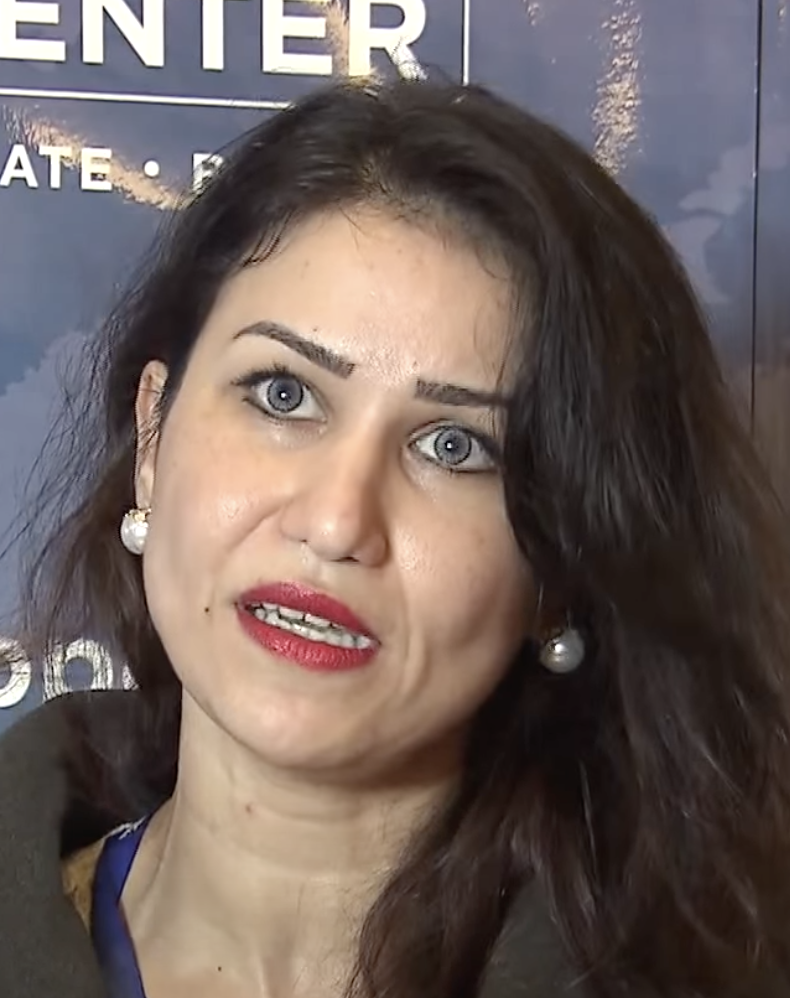
Speakers
Zineb Benalla
Experte internationale, Eirene Associates. Int.
Zineb Benalla est une experte internationale et consultante en CVE, PVE, CT et consolidation de la paix qui a passé de nombreuses années à travailler dans les points chauds de la VE au Maghreb, au Sahel et dans la région du lac Tchad. Elle a été consultante pour USAID /OTI et AECOM International Development à Bamako, Gao et Tombouctou dans le domaine de la consolidation de la paix, de la réconciliation et du CVE. Elle a travaillé avec la société civile, l'engagement communautaire et les décideurs politiques en menant des recherches et en mettant en oeuvre des projets. Avant cela, Mme Benalla a travaillé avec le Centre arabe sur la programmation de la lutte contre la radicalisation et la promotion des valeurs de la société civile au Moyen-Orient et en Afrique du Nord. Elle a ég ...
Nizar Messari
Professor of International Relations at Al Akhawayn University
...
Imane Lahrich
Head – Research Valorization
Imane Lahrich is the Head of Research Valorization Department, having previously served as a Partnerships & Research Support Officer at the Policy Center for the New South since 2019. She mainly worked on security-development related projects. She has experience as a Project Manager in a Strategic Intelligence firm (2017-2019) and as a research consultant in the MENA region, focusing on international development and the Rule of Law. Imane Lahrich holds a Master's in Political Studies and a Bachelor's in Political Science from Mohammed V University of Rabat. She also participated in a one-year exchange program at Masaryk University in the Czech Republic under the EMMAG MUNDUS Excellence scholarship.     ...

RELATED CONTENT

  • Authors
    August 13, 2026
    The Resolution adopted by an overwhelming majority of elected European officials in Strasbourg on June 10, 2021, on "the violation of the UN Convention on the Rights of the Child and the exploitation of minors by the authorities in the migration crisis in Ceuta" (2021/2747/RSP), could not fail to leave its mark.Decoding the ResolutionThe Resolution shocked Moroccans to such an extent that it was quickly set aside at the time, as if there were a wish to forget it as fast as possible. ...
  • Authors
    Oussama Zennati
    August 4, 2026
    This paper was originaly published on Middle East Development Journal This article examines the impact of remittances on human capital formation, living conditions, and economic participation of women in North African countries. While prior research has explored remittances’ effects on women’s access to fundamental rights, it has not fully captured the social and economic transformations induced by these funds. Our findings indicate that remittances significantly enhance w ...
  • June 30, 2026
    Globally, public policies for youth face a twofold challenge: addressing structural socioeconomic challenges—such as unemployment, precariousness, and regional disparities—while accommodating a growing demand for effective civic participation. (ILO, 2023; United Nations, 2020) In Africa, this challenge takes on a unique dimension given the demographic weight of the youth population and the persistent fragility of local democracies. (AfDB, 2020; Mo Ibrahim Foundation, 2023)Elections ...
  • June 30, 2026
    À l'échelle mondiale, les politiques publiques de jeunesse sont confrontées à un double enjeu : répondre à des défis socio-économiques structurels; chômage, précarité, fractures territoriales, tout en intégrant une demande croissante de participation citoyenne effective. (OIT, 2023 ; Nations Unies, 2020) En Afrique, ce défi revêt une dimension singulière compte tenu du poids démographique de la jeunesse et des fragilités persistantes des démocraties locales. (BAD, 2020 ; Mo Ibrahim ...
  • June 26, 2026
    Three years after the adoption of the first National Action Plan (NAP) on the Women, Peace and Security (WPS) Agenda, Morocco has made real institutional progress, but implementation is still inadequate. The extension of the NAP opens a window of opportunity to prepare a second, more ambitious and operational cycle.This Policy Brief identifies four persistent obstacles: a virtually stagnant female employment rate of 19.1%, less than 3% female representation in peacekeeping contingen ...
  • June 15, 2026
    Ce papier a été initialement publié dans la revue Carrefours de l'éducation n°61 L’écart entre les sexes en matière de réussite éducative demeure une préoccupation majeure au Maroc. Cette étude analyse les disparités de genre en lecture et en mathématiques aux niveaux national, urbain et rural, en exploitant des données individuelles issues de l’évaluation PIRLS 2021 (7 017 élèves) et de TIMSS 2019 (13 536 élèves), toutes deux menées auprès d’élèves de 4e année du primaire. En ...
  • May 20, 2026
    La participation des femmes au marché du travail au Maroc demeure l'un des défis les plus structurels du développement économique et social du pays. Avec un taux d'activité féminin de seulement 19 % en 2023, contre 69 % pour les hommes (HCP, 2024), le Maroc présente l'un des écarts de genre les plus prononcés parmi les économies en développement (Banque mondiale, 2024). Ce Research Paper propose une analyse économétrique rigoureuse et multiniveaux des déterminants de cette participa ...
  • Authors
    Hajar Kabbach
    May 11, 2026
    Closing Morocco's gender employment gap could increase GDP per capita by 40-50 percent; yet female labor force participation stands at just 19 percent—among the lowest in the world and still declining. This policy paper argues that investing in the care economy is not merely a social expenditure, but a productive economic strategy with measurable returns. Drawing on international evidence from Uruguay, Mexico, Colombia, and India, the brief demonstrates that well-designed care syste ...
  • April 30, 2026
    This Africafé episode features Patience Chiradza from the African Union, discussing the critical role of African women in governance and peacebuilding.  It highlights existing frameworks like the Maputo Protocol and acknowledges progress, while emphasizing persistent barriers such ...
  • April 28, 2026
    Cet épisode met en lumière les dynamiques de genre au Maroc, en soulignant l’écart entre les avancées juridiques et leur application concrète. Il aborde la baisse de la participation des femmes au marché du travail, liée à des contraintes multiples, ainsi que la faible reconnaissance du...