Les Mardis du PCNS 02/03/2021 : انعكاسات القطاع غير المهيكل على الاقتصاد المغربي

March 2, 2021

خصص مركز السياسات من أجل الجنوب الجديد حلقته الاسبوعية لحديث الثلاثاء لمناقشة انعكاسات القطاع غير المهيكل على الاقتصاد المغربي رفقة نجيب صومعي، خبير اقتصادي وعضو ب The Economist Intelligence Unit البريطانية. بينما تم تطوير استراتيجيات متعددة لتحسين البيئة المؤسسية والاقتصادية والمالية في تقليص حجم الاقتصاد غير المهيكل، لا يزال استمرار الأنشطة غير المهيكلة يتطلب إصلاحات هيكلية إضافية. وتقدر دراسة أجراها بنك المغرب أن وزن القطاع غير المهيكل بلغ 31.3٪ من الناتج المحلي الإجمالي خلال الفترة 2000 و2017. هذا الحجم، الذي لا يزال كبيرًا جدًا، انخفض بشكل ملحوظ خلال العقود الثلاثة الماضية، من 40٪ بين عامي 1988 و1998، إلى 34٪ بين عامي 2009 و2018، وانخفض إلى حوالي 30٪ اليوم. فما هي أبرز الاتجاهات والتطورات في هذا القطاع؟ وفقًا لمنظمة العمل الدولية، تمثل العمالة غير المهيكلة 80٪ من إجمالي العمالة في المغرب، وهو مستوى مرتفع جدًا مقارنة ببلدان منطقة الشرق الأوسط وشمال إفريقيا (67٪). ما هو تأثير السمة غير الرسمية أو المهيكلة على النمو والتوظيف في القطاع الرسمي; ما هي السبل الكفيلة بتقليل ثقل القطاع غير المهيكل في الاقتصاد؟ كيف يمكن خلق اقتصاد مُنتج في البلد قادر على الصمود أمام الصدمات الخارجية المستقبلية؟
Speakers
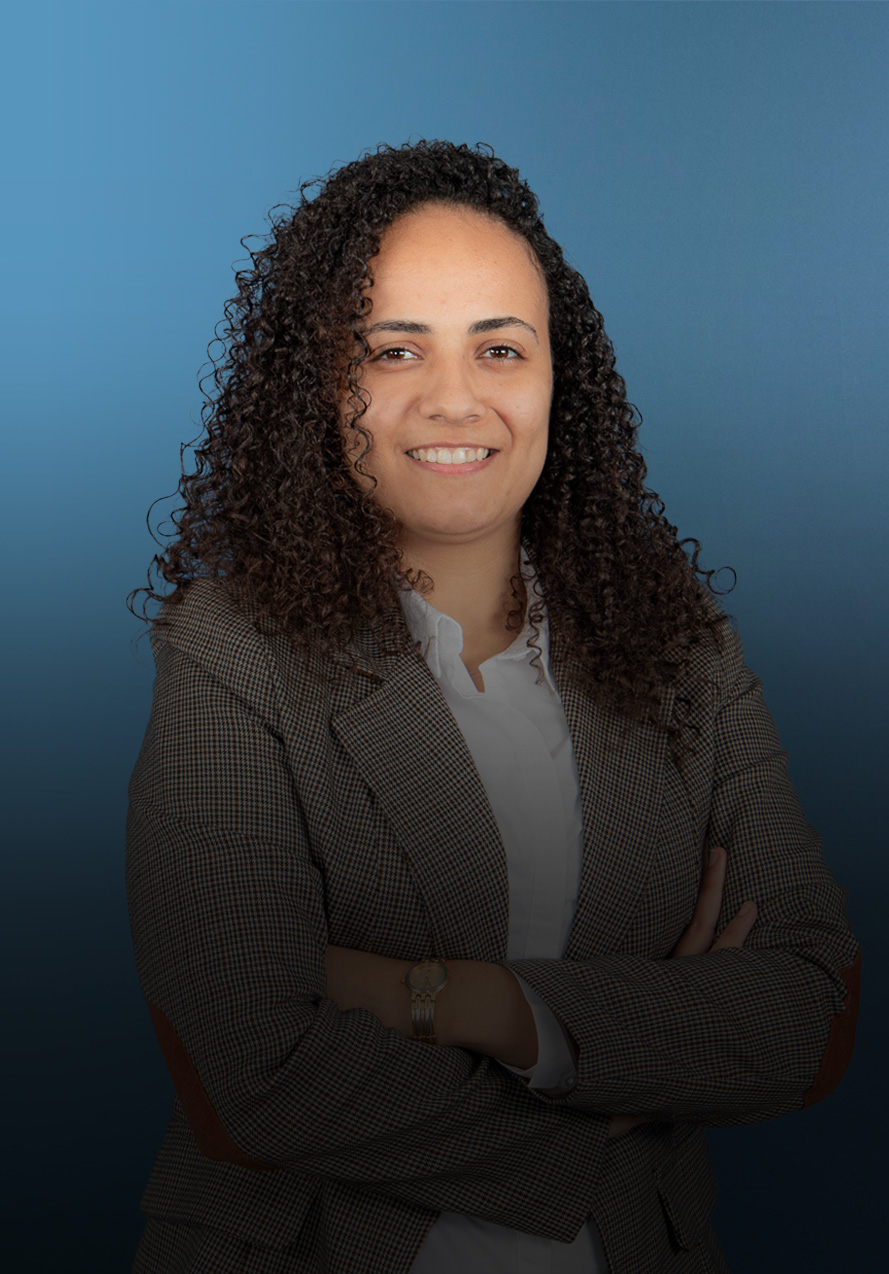
Imane Lahrich
Head – Research Valorization
Imane Lahrich is the Head of Research Valorization Department, having previously served as a Partnerships & Research Support Officer at the Policy Center for the New South since 2019. She mainly worked on security-development related projects. She has experience as a Project Manager in a Strategic Intelligence firm (2017-2019) and as a research consultant in the MENA region, focusing on international development and the Rule of Law. Imane Lahrich holds a Master's in Political Studies and a Bachelor's in Political Science from Mohammed V University of Rabat. She also participated in a one-year exchange program at Masaryk University in the Czech Republic under the EMMAG MUNDUS Excellence scholarship.     ...

RELATED CONTENT

  • July 28, 2026
    تتناول هذه الحلقة اندماج المغرب في سلاسل القيمة العالمية، من خلال توضيح مفهومها واستعراض كيفية انخراط المغرب فيها عبر تطوير عدد من القطاعات الصناعية وجذب الاستثمارات الأجنبية. كما تسلط الضوء على أبرز المكاسب الاقتصادية والصناعية التي حققها هذا الاندماج، مقابل التحديات التي ما تزال تحدّ ...
  • July 15, 2026
    تناقش هذه الحلقة واقع المنافسة في الأسواق المغربية وعلاقتها بتطور الأسعار والقدرة الشرائية للمواطنين. كما تسلط الضوء على أبرز العوامل المؤثرة في الأسعار، سواء المرتبطة بالمنافسة أو بتكاليف الإنتاج وسلاسل التوزيع. ويتناول الحوار دور مجلس المنافسة والسلطات العمومية والفاعلين الاقتصاديين ف...
  • July 3, 2026
    This Policy Paper has also been published in French and Spanish by Le Grand Continent Morocco offers a compelling example of how a middle-income economy can navigate a more fragmented global environment, characterized by weak growth and slower convergence. Since 2022, economic activity has remained relatively strong, with growth exceeding that of many comparable economies. Non-agricultural growth has averaged 4.4% since 2022, around 1.3 percentage points above its historical av ...
  • June 30, 2026
    Globally, public policies for youth face a twofold challenge: addressing structural socioeconomic challenges—such as unemployment, precariousness, and regional disparities—while accommodating a growing demand for effective civic participation. (ILO, 2023; United Nations, 2020) In Africa, this challenge takes on a unique dimension given the demographic weight of the youth population and the persistent fragility of local democracies. (AfDB, 2020; Mo Ibrahim Foundation, 2023)Elections ...
  • June 30, 2026
    À l'échelle mondiale, les politiques publiques de jeunesse sont confrontées à un double enjeu : répondre à des défis socio-économiques structurels; chômage, précarité, fractures territoriales, tout en intégrant une demande croissante de participation citoyenne effective. (OIT, 2023 ; Nations Unies, 2020) En Afrique, ce défi revêt une dimension singulière compte tenu du poids démographique de la jeunesse et des fragilités persistantes des démocraties locales. (BAD, 2020 ; Mo Ibrahim ...
  • June 26, 2026
    Au Maroc, la problématique des jeunes NEETs (Ni en emploi, ni en études, ni en formation) constitue une urgence nationale, alimentée par 300 000 abandons scolaires annuels. Face à ce défi, le modèle de l'École de la Deuxième chance nouvelle génération (E2C-NG) a démontré sa pertinence en affichant un taux d'insertion exceptionnel de 81 %.Cependant, ce succès institutionnel repose intégralement sur un tissu associatif local aujourd'hui fragilisé. L'analyse inédite des donné ...
  • June 15, 2026
    Cette interview revient sur le rôle structurant des infrastructures portuaires dans l’industrialisation du Maroc, à travers l’exemple de Tanger Med. Elle souligne aussi l’importance de la digitalisation, de la formation et de la connexion des régions intérieures pour renforcer la compét...
  • Authors
    Karim El Mokri
    Idriss El Abbassi
    June 8, 2026
    Le monde du travail est engagé dans un processus de mutation sans précédent. La quatrième révolution industrielle, portée par l’intelligence artificielle (IA) et la robotisation, a été le point de commencement d’une ère nouvelle où les repères économiques et sociaux se redéfinissent à une vitesse inédite. Ces technologies suscitent un engouement légitime et offrent des perspectives prometteuses, mais requièrent une vigilance accrue face aux incertitudes qui les entourent.Bien que, à ...