حديث الثلاثاء - زلزال الحوز: الأبعاد الاقتصادية والسياساتية لجهود إعادة الإعمار

September 25, 2024

بعد مرور عام على زلزال الحوز الذي خلف خسائر بشرية ومادية جسيمة في عدة أقاليم بالمغرب، تشهد عملية إعادة الإعمار تقدماً ملحوظاً، إلا أن التحديات لا تزال قائمة أمام استعادة الحياة الطبيعية للسكان المحليين. وبينما نراجع الإنجازات التي تحققت حتى الآن، ما هي الدروس التي يمكن استخلاصها لتعزيز الاستدامة في جهود إعادة البناء؟ وكيف يمكن ضمان استمرار الدعم لضمان التنمية المستدامة للمناطق المتضررة؟

Speakers
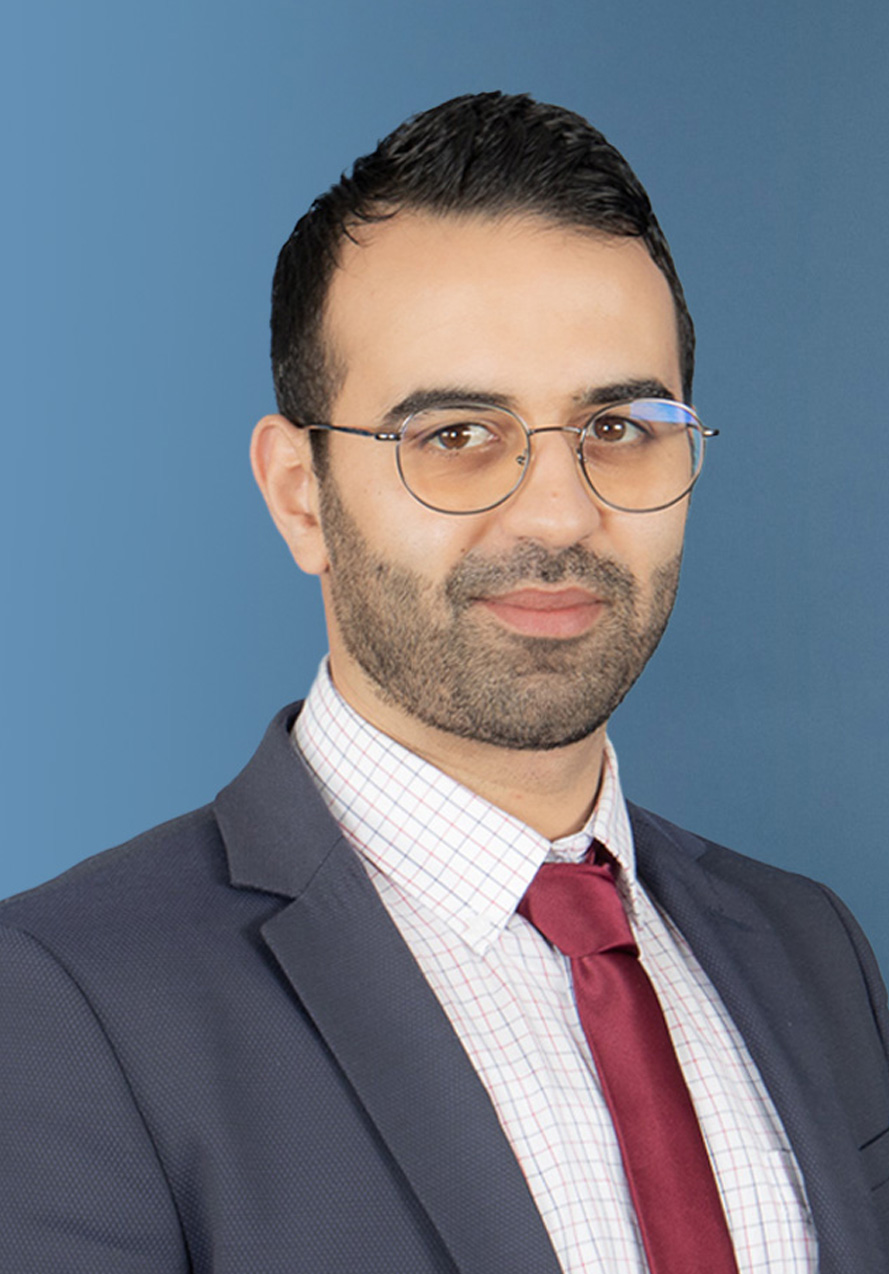
Badr Mandri
Economist
Badr Mandri is an Economist who joined Policy Center for the New South after two years’ experience at the Moroccan national statistics office (HCP, High Commission for Planning). His research activities focus on development macroeconomics especially on fiscal policy and development financing. Badr Mandri holds a master’s degree in applied economics, and is currently a PhD student at Mohamed V University in Rabat; ...
M'hammed Dryef
Senior Fellow
M’hammed Dryef is a Senior Fellow at the Policy Center for the New South, and a Professor of Practice at Mohammed VI Polytechnic University, where he also serves as a Special Advisor to the Public Policy School (PPS). He graduated from the École Nationale d’Administration Publique (ENAP) in 1972 and also holds two postgraduate diplomas in Private Law, obtained in 1975 and 1977 from Mohammed V University in Rabat. In 1992, he earned a PhD in Public Law from the Pierre Mendès-France University in Grenoble. M’hammed Dryef began his administrative career in 1972 as Deputy Administrator at the Ministry of Administrative Affairs, General Secretariat of the Government. From 1974 to 1977, he served as Chief of Staff to the Secretary of State in charge of Housing, Urban ...
Abdelaaziz Ait Ali
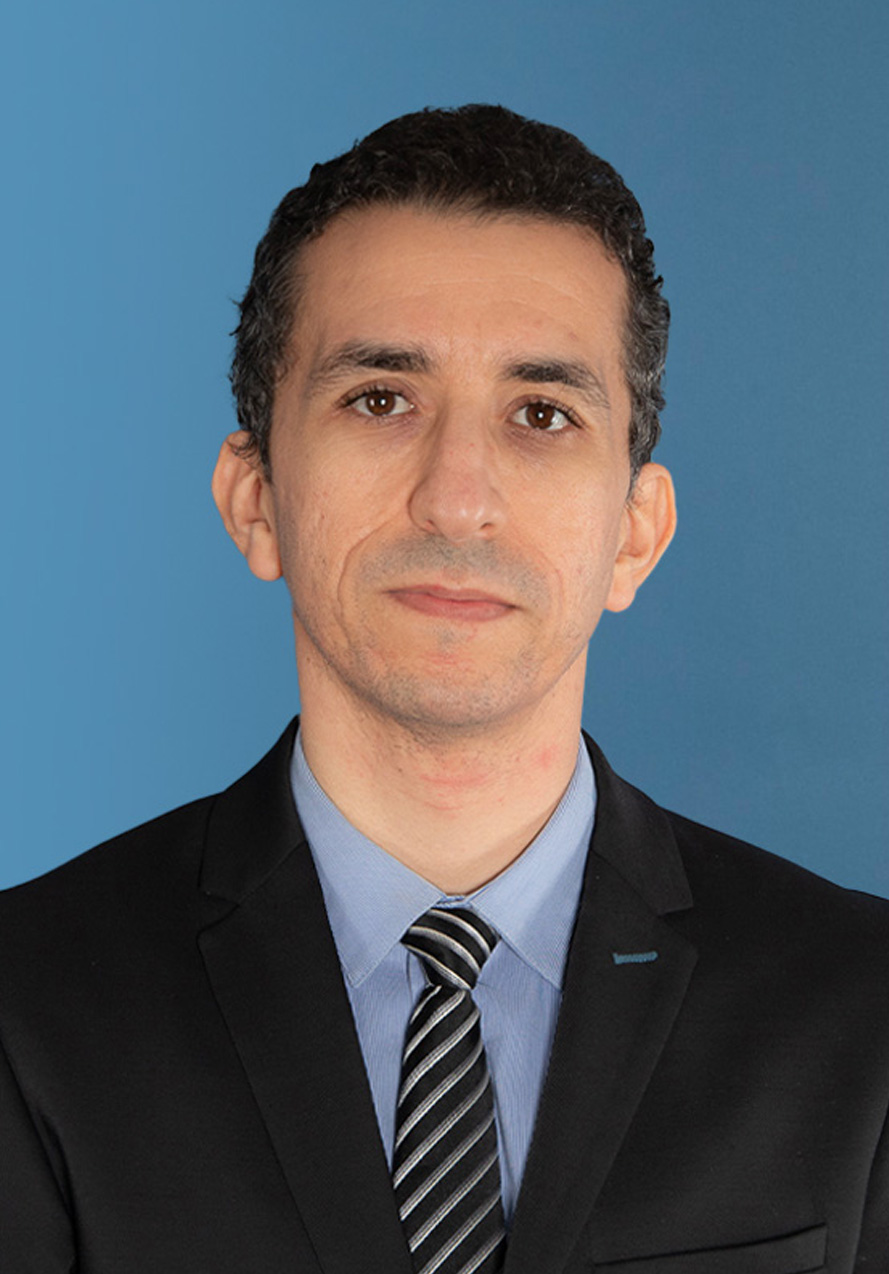
Head - Research in Economics
Abdelaaziz Ait Ali is a principal Economist and head of the Research Department at the Policy Center for the New South. He joined the Center in 2014 after five years of experience at the Central Bank of Morocco. He worked as an economist in the International Studies and Relations Department and was analyzing the real estate price index and financial asset prices for monetary policy and financial stability purposes. Since then, Abdelaaziz has focused on cyclical and structural issues of the Moroccan economy, including macroeconomic management and industrial policy design. He has published articles on the reform of the exchange rate regime in the Moroccan economy and its implications for macroeconomic regulation, as well as on the evolution of the macroeconomic framework over th ...
RELATED CONTENT

  • Authors
    Hajar Kabbach
    May 11, 2026
    Closing Morocco's gender employment gap could increase GDP per capita by 40-50 percent; yet female labor force participation stands at just 19 percent—among the lowest in the world and still declining. This policy paper argues that investing in the care economy is not merely a social expenditure, but a productive economic strategy with measurable returns. Drawing on international evidence from Uruguay, Mexico, Colombia, and India, the brief demonstrates that well-designed care syste ...
  • April 13, 2026
    Résumé exécutif stratégiqueLe Maroc s’est engagé avec détermination dans une trajectoire de modernisation fondée sur la transition numérique, la transition verte et l’innovation. Ces dynamiques sont devenues des leviers stratégiques pour la compétitivité, l’attractivité et la création d’emplois à forte valeur ajoutée. Pourtant, l’analyse des données microéconomiques récentes révèle un paradoxe préoccupant : les entreprises les plus modernisées, moteurs de la croissance de demain, re ...
  • March 10, 2026
    بمناسبة اليوم العالمي لحقوق المرأة في 8 مارس، يتناول هذا اللقاء وضعية المرأة القروية في المغرب والتحولات التي عرفها دورها في التنمية الاقتصادية والاجتماعية خلال السنوات الأخيرة. كما يسلط الضوء على مساهمتها الكبيرة في الأنشطة الفلاحية والأسرية، رغم أن جزءاً مهماً من عملها يظل غير مرئي أو...
  • January 5, 2026
    This Paper was originally published on sciencedirect.com This study provides an original and significant contribution to evaluating educational service quality in Morocco by leveraging, for the first time, microdata from the Service Delivery Indicators (SDI) survey. The survey covers a nationally representative sample of 300 public and private primary schools across rural and urban areas. The use of SDI data represents a major methodological advancement, shifting away from perc ...
  • Authors
    Ahmed Ouhnini
    December 5, 2025
    “Uberization,” a term derived from the American company Uber in the early 2010s, initially refers to an economic model based on directly matching supply and demand through digital platforms. Rapidly popularized, the concept has expanded with Airbnb in accommodation, and then to a wide range of other sectors: food delivery, home services, e-commerce, and even traditionally regulated or corporatist professions. This neologism thus reflects a transformation of economic and social relat ...
  • Authors
    Ahmed Ouhnini
    December 5, 2025
    L’« uberisation », terme né du nom de l’entreprise américaine Uber au début des années 2010, désigne initialement un modèle économique fondé sur la mise en relation directe entre offre et demande via des plateformes numériques. Rapidement popularisé, le concept s’est élargi, avec Airbnb dans l’hébergement, puis à une multitude d’autres secteurs : livraison de repas, services à domicile, commerce en ligne, voire des métiers traditionnellement régulés ou corporatistes. Ce néologisme t ...
  • Authors
    December 2, 2025
    This paper assesses the economic and environmental implications of Morocco’s strategic transition from internal combustion engine vehicle (ICEV) manufacturing to electric vehicle (EV) production, with a particular focus on the regional impacts of localizing high-value battery manufacturing. Using an interregional input-output model, extended with environmental satellite accounts, the study simulates a structural shock related to the wholesale substitution of ICEV-specific inputs wit ...
  • Authors
    October 3, 2025
    En dépit des progrès sociaux, le Maroc reste confronté à une série de défis. Le chômage persiste à un niveau inacceptable, l’adéquation entre la formation et l’emploi est insatisfaisante, l’accès aux soins est contrarié par maintes contraintes, les disparités territoriales demeurent flagrantes. Pourtant, que de réformes, que de programmes sociaux sont financés depuis des décennies pour couvrir les déficits accumulés par le passé. Beaucoup de ces secteurs névralgiques pour le bi ...