حديث الثلاثاء: تقديم التقرير السنوي للجيوسياسة الإفريقية

September 20, 2022


أصدر مركز السياسات من أجل الجنوب الجديد النسخة الخامسة للتقرير السنوي للجيوسياسة الإفريقية بنقاط قوتها ومعيقاتها، بمميزاتها وعيوبها، ما يجب تصحيحه وإعادة تنظيمه، وما يجب صيانته وتقويته وتوطيده. تدور الأسئلة التي تم تناولها من خلال التقرير حول جهات القارة الافريقية بين الأمن و السلم والازمات، اضافة الى السياسة والحكامة حيث تمت الاشارة الى دور أهم التكتلات الجهوية الافريقية، وكذلك أسئلة حول قضايا تهم المجتمع والثقافة. يتطرق التقرير بين طياته إلى مجموعة من التحديات والمقاربات التي تنبني على أساسها الديناميكيات المتغيرة للقارة وذلك بالإشارة الى التحديات الأمنية في منطقة الساحل للقارة بالإضافة الى أزمات أخرى شهدتها افريقيا خلال سنة 2021.

Speakers
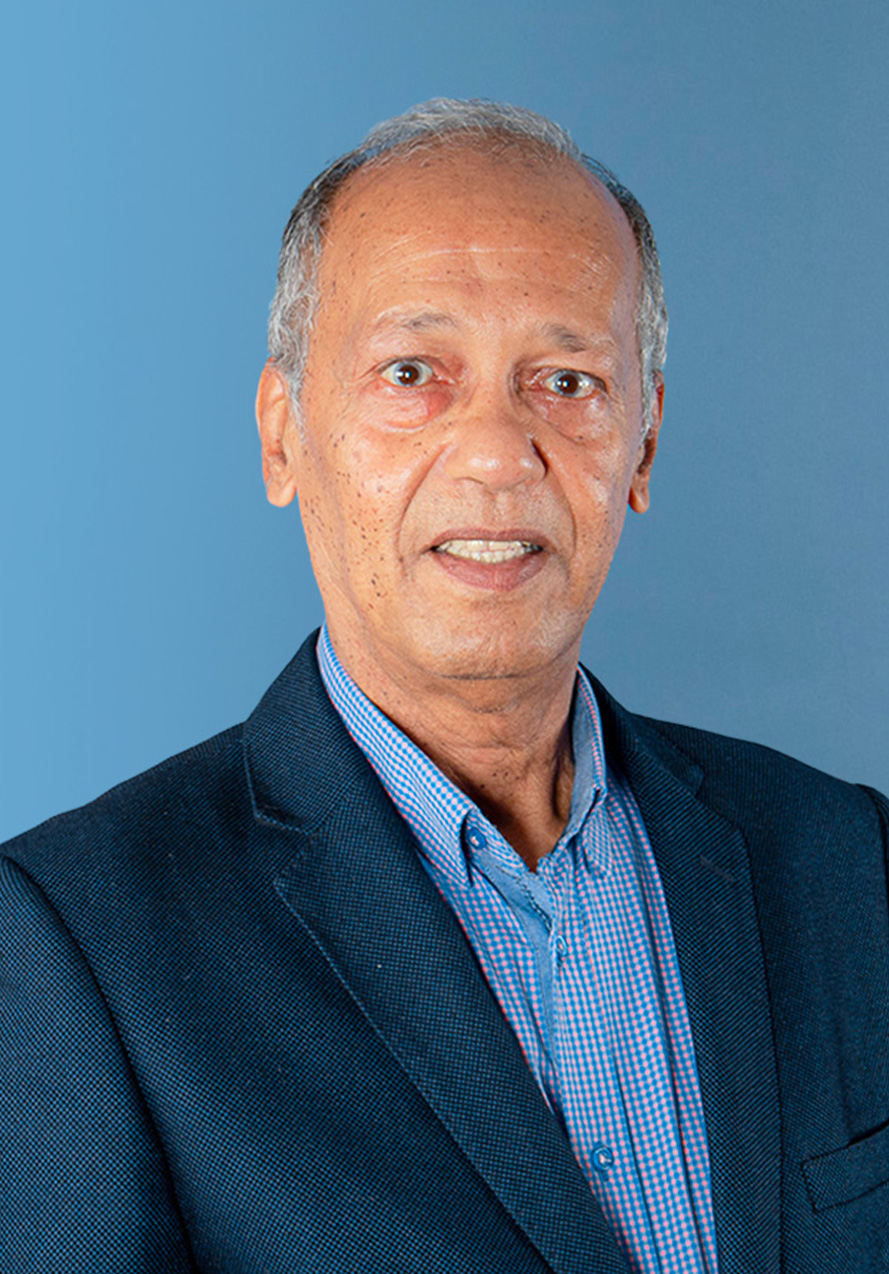
Abdelhak Bassou
Senior Fellow
Abdelhak Bassou is a Senior Fellow at the Policy Center for the New South and a non-resident senior fellow at the Atlantic Council’s Africa Center. He is also an Affiliate Professor at Mohammed VI Polytechnic University. Bassou has had an extensive career in Moroccan National Security, where he served in various capacities including as head of the border division from 1978 to 1993. He was the former director of the Royal Institute of Police in 1998 and served as Head of Regional Security (Errachidia 1999-2003, Sidi Kacem 2003-2005) and as Central Director of General Intelligence from 2006 to 2009.   He holds a master's degree in political science and international studies from the Faculty of Law, Economics, and Social Sciences in Rabat. His academic research delves into ...

Imane Lahrich
Head – Research Valorization
Imane Lahrich is the Head of Research Valorization Department, having previously served as a Partnerships & Research Support Officer at the Policy Center for the New South since 2019. She mainly worked on security-development related projects. She has experience as a Project Manager in a Strategic Intelligence firm (2017-2019) and as a research consultant in the MENA region, focusing on international development and the Rule of Law. Imane Lahrich holds a Master's in Political Studies and a Bachelor's in Political Science from Mohammed V University of Rabat. She also participated in a one-year exchange program at Masaryk University in the Czech Republic under the EMMAG MUNDUS Excellence scholarship.     ...

RELATED CONTENT

  • Authors
    Amine Ghoulidi
    February 5, 2026
    This Paper was originally published on orient-online.com  The Western Mediterranean’s exposure to the Sahel is usually framed in terms of security spillovers and crisis management. This paper argues that this framing misreads how Sahelian access conditions now shape Mediterranean integration. Morocco’s Atlantic Initiative is a state-led corridor strategy combining Atlantic port infrastructure, inland transit routes, and energy systems to connect landlocked Sahelian economi ...
  • January 29, 2026
    Le Mali, le Burkina Faso et le Niger, réunis au sein de l’Alliance des États du Sahel (AES), affirment l’ambition de bâtir une souveraineté nationale qui leur permettrait de s’émanciper de la domination et des influences extérieures et de se doter d’une liberté d’action dans les choix de développement politique et économique. Cependant, cette ambition se heurte à de nombreuses contraintes économiques et sécuritaires.La souveraineté ne peut se construire sans une base économique soli ...
  • January 23, 2026
    The post-1945 international order, an architecture born of war-weariness and colonial twilight, is now a majestic but empty shell. Its foundational promise—a universal system of rules administered impartially—has been hollowed out by decades of selective enforcement, instrumentalized law, and a chasm between the rhetorical ideals of its custodians and their geopolitical practice. This is not a temporary dysfunction, but a systemic failure of legitimacy. From the invasion of Iraq und ...
  • January 6, 2026
    La création de l’Alliance des États du Sahel (AES) symbolise une rupture politique et géostratégique majeure, appuyée sur un discours souverainiste et anti-occidental. Deux ans après, Mali, Burkina Faso et Niger peinent à assurer leur intégrité territoriale, à stabiliser leur sécurité intérieure et à bâtir une gouvernance solide. L’intégrité territoriale est un problème commun aux trois États, car dans ces pays, la cohésion de l’État et le contrôle du territoire sont directement men ...
  • Authors
    Niccola Milnes
    December 30, 2025
    Fuel access has become a strategic pressure point across Mali and its neighbors. In 2025, Jama’t Nusrat al Islam wal- Muslimeen (JNIM) shifted from sporadic interdictions to a deliberate fuel-blockade strategy intended to pressure Bamako without holding territory. By selectively constraining movement along the Sikasso–Kayes–Bamako corridor, the group turned fuel scarcity into a tool of coercion, governance, and narrative control—shaping behavior in the capital while remaining largel ...
  • Authors
    December 3, 2025
    La résolution 2797 du Conseil de sécurité des Nations Unies ne marque pas la fin d’un dossier, mais l’aboutissement d’une gestion magistrale du temps. Le Maroc n’a pas seulement gagné des appuis, il a gagné le tempo.
En combinant le Chronos de la constance et le Kairos de l’opportunité, il a démontré qu’une politique étrangère pouvait s’appuyer sur la philosophie du temps autant que sur la géopolitique.Cette diplomatie du temps maîtrisé peut aujourd’hui être considérée comme une doc ...
  • Authors
    October 24, 2025
    Le panorama géopolitique mondial expose, certes, cruellement les vulnérabilités structurelles de l'Afrique (dépendance alimentaire, financière, exposition aux chocs), mais il ouvre aussi une fenêtre d'opportunités sans précédent depuis les indépendances. Le continent n'est plus seulement un objet de la géopolitique mondiale ; il tend de plus en plus à jouer un rôle d’acteur qui dispose d'une marge de manœuvre accrue. Le défi pour le continent et ses Éta ...
  • October 23, 2025
    Depuis plus de trente ans, les relations entre le Maroc et l’Union européenne (UE) se caractérisent par un équilibre entre pragmatisme politique, ouverture économique et convergence stratégique. Le processus de Barcelone de 1995 a marqué le début d’une coopération euro-méditerranéenne renforcée, consolidée par l’Accord du Statut avancé en 2008 et le Partenariat euro-marocain de prospérité partagée, faisant de l’UE le principal partenaire économique du Royaume. Dans un contexte régio ...
  • October 23, 2025
    The UN’s funding crisis, fueled by unpaid contributions and expanding mandates, is worsening as U.S. disengagement strains peacekeeping and development efforts, particularly in Africa. This shift also strengthens rivals like China and Russia and raises deeper questions about the legitim...