حديث الثلاثاء : ما مستقبل نفوذ "فاغنر" في أفريقيا؟

July 4, 2023


تعد مجموعة فاغنر شركة عسكرية روسية خاصة تنشط في عدد من الدول الأفريقية منذ عام 2017، بما في ذلك جمهورية إفريقيا الوسطى وليبيا ومالي، والسودان، وموزمبيق، ومدغشقر. وقد وُجِّهَت اتهامات للمجموعة بارتكاب العديد من انتهاكات حقوق الإنسان في جمهورية إفريقيا الوسطى، مثل القتل والتعذيب والعنف الجنسي، مما أدى إلى فرض مجلس الأمن التابع للأمم المتحدة عقوبات على فاغنر وزعيمها بريغوجين، نتيجة أنشطتها في جمهورية إفريقيا الوسطى في عام 2021. بالإضافة إلى ذلك، دعمت فاغنر خليفة حفتر في ليبيا والمجلس العسكري في مالي الذي استولى على السلطة في انقلاب عام 2021. كما قامت بتدريب القوات السودانية وساعدت في قمع المعارضة ضد حكومة الرئيس عمر البشير. وفي موزمبيق، شاركت مجموعة فاغنر في مكافحة المتمردين الإسلاميين، وكذلك أنشطة التعدين والأنشطة الاقتصادية الأخرى في مدغشقر. هنا يرى العديد أن أنشطة فاغنر في إفريقيا هي وسيلة لروسيا لتوسيع نفوذها في القارة، مما يمنحها قاعدة في البلدان ذات الأهمية الاستراتيجية، مثل جمهورية إفريقيا الوسطى وليبيا، بالإضافة إلى دعم فاغنر لتعزيز صادرات الأسلحة الروسية والمصالح الاقتصادية في إفريقيا. فأمام هذه الديناميكية، فرضت الولايات المتحدة والاتحاد الأوروبي والمملكة المتحدة عقوبات على فاغنر وقادتها. ومع ذلك، دافعت روسيا عن أنشطة فاغنر في إفريقيا، بزعم أن المجموعة تقدم خدمات أمنية مشروعة للحكومات الأفريقية. غير أن هذه الروابط بين روسيا وشركة فاغنر تشنجت في الآونة الأخيرة نظرا للشقاق الذي وقع بين قائدها بريغوجين وموسكو، ما يطرح عدة تساؤلات حول مواصلة عمليات فاغنر في هذه الدول الإفريقية ومصير قيادتها وطبيعة أنشطتها. فما هو الدور الذي لعبته مجموعة فاغنر في السياسة الخارجية والأمنية الروسية حتى الآن؟ وما هو الدور الذي نسب إلى هذه المجموعة في إفريقيا؟ وما مآل فاغنر اليوم بعد انتقال زعيمها بريغوجين من روسيا إلى بيلاروسيا، هل سيظل يدير مجموعته من هناك لتمكينها من الاستمرار في مهماتها في جمهورية إفريقيا الوسطى وليبيا ومالي والكاميرون بشكل غير معلن؟ أم هل يبدو انسحاب فاغنر من إفريقيا خيارا مطروحا اليوم على طاولة الحكومة الروسية؟
Speakers
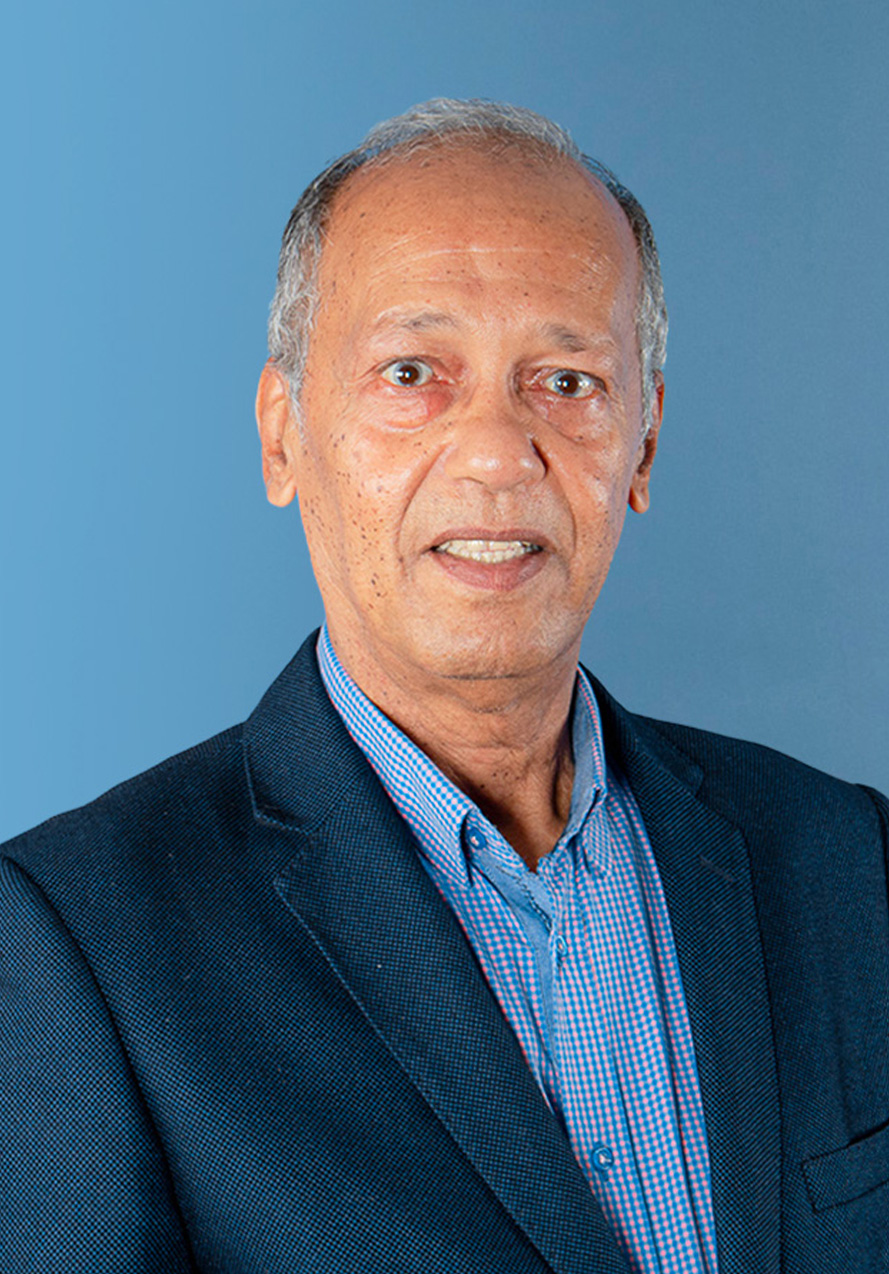
Abdelhak Bassou
Senior Fellow
Abdelhak Bassou is a Senior Fellow at the Policy Center for the New South and a non-resident senior fellow at the Atlantic Council’s Africa Center. He is also an Affiliate Professor at Mohammed VI Polytechnic University. Bassou has had an extensive career in Moroccan National Security, where he served in various capacities including as head of the border division from 1978 to 1993. He was the former director of the Royal Institute of Police in 1998 and served as Head of Regional Security (Errachidia 1999-2003, Sidi Kacem 2003-2005) and as Central Director of General Intelligence from 2006 to 2009.   He holds a master's degree in political science and international studies from the Faculty of Law, Economics, and Social Sciences in Rabat. His academic research delves into ...

RELATED CONTENT

  • Authors
    Lina Jaoid
    October 8, 2026
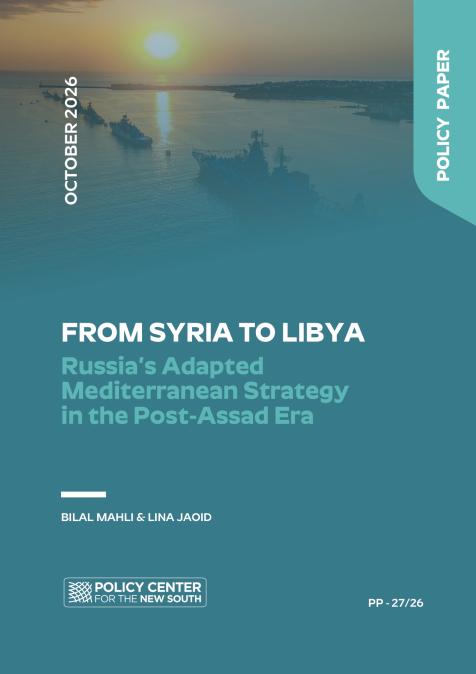
    In the two years since the fall of Bashar al-Assad in Syria, Russia has restructured its Mediterranean presence. Although Russia’s limited and increasingly conditional access to the Khmeimim and Tartus facilities in Syria has been preserved, its presence in the country has morphed from Assad’s ‘patron-client’ configuration to a more negotiated engagement. Simultaneously, Russia has upgraded its force-projection and logistical infrastructure in eastern Libya, giving it an access path ...
  • July 24, 2026
    Dans cet épisode d’Africafé, les échanges portent sur la situation sécuritaire au Sahel et le rôle de la CEDEAO face aux défis régionaux. À travers le cas du Mali, la discussion revient sur les recompositions en cours, le retrait des partenaires internationaux, la montée en puissance de...
  • Authors
    Niccola Milnes
    July 21, 2026
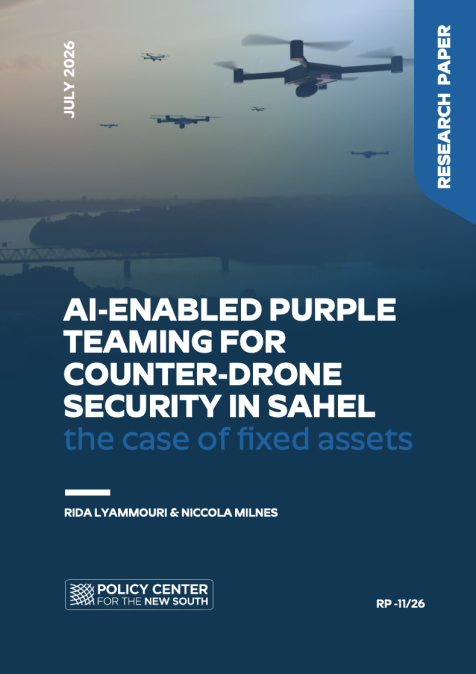
    Armed-group drone use in the Sahel and Lake Chad Basin has scaled from rudimentary commercial-quadcopter Improvised Explosive Device (IED) drops in 2023 to a capability set that now includes First-Person View (FPV) strikes with shapedcharge anti-armor warheads, fiber-optic FPVs that defeat radio-frequency jamming, coordinated drone-and-ground assaults on hardened airfields, and a 25-drone non-state swarm. Four groups—Jama'at Nusrat al-Islam wal-Muslimin (JNIM), the Azawad Liberation ...
  • July 3, 2026
    This episode explores Russia’s growing influence in Africa through media, information warfare, and anti-Western narratives. It examines how Moscow uses historical ties, social media, local influencers, and security partnerships to shape perceptions, while questioning the real scope and ...
  • June 10, 2026
    L’édition 2026 du Rapport annuel sur la Géopolitique de l’Afrique (RAGA) du Policy Center for the New South analyse un continent africain saisi par une double transformation : celle du système international, plus fragmenté, plus conflictuel et plus transactionnel ; et celle des environn...