تعالج هذه الحلقة تصاعد التوترات حول مضيق هرمز وانعكاساتها على استقرار أسواق الطاقة العالمية، في ظل عالم يشهد تحولات جيوسياسية متسارعة. وتناقش كيف كشفت الأزمة هشاشة نظام الطاقة الدولي واعتماده على ممرات استراتيجية حساسة، كما تتوقف عند تداعيات أي اضطراب محتمل على أسعار النفط والتضخم والنمو الاقتصادي العالمي. وتسعى الحلقة إلى فهم ما إذا كان العالم يعيش أزمة ظرفية أم بداية تفكك تدريجي للنظام الطاقي الذي حكم العقود الماضية
Speakers
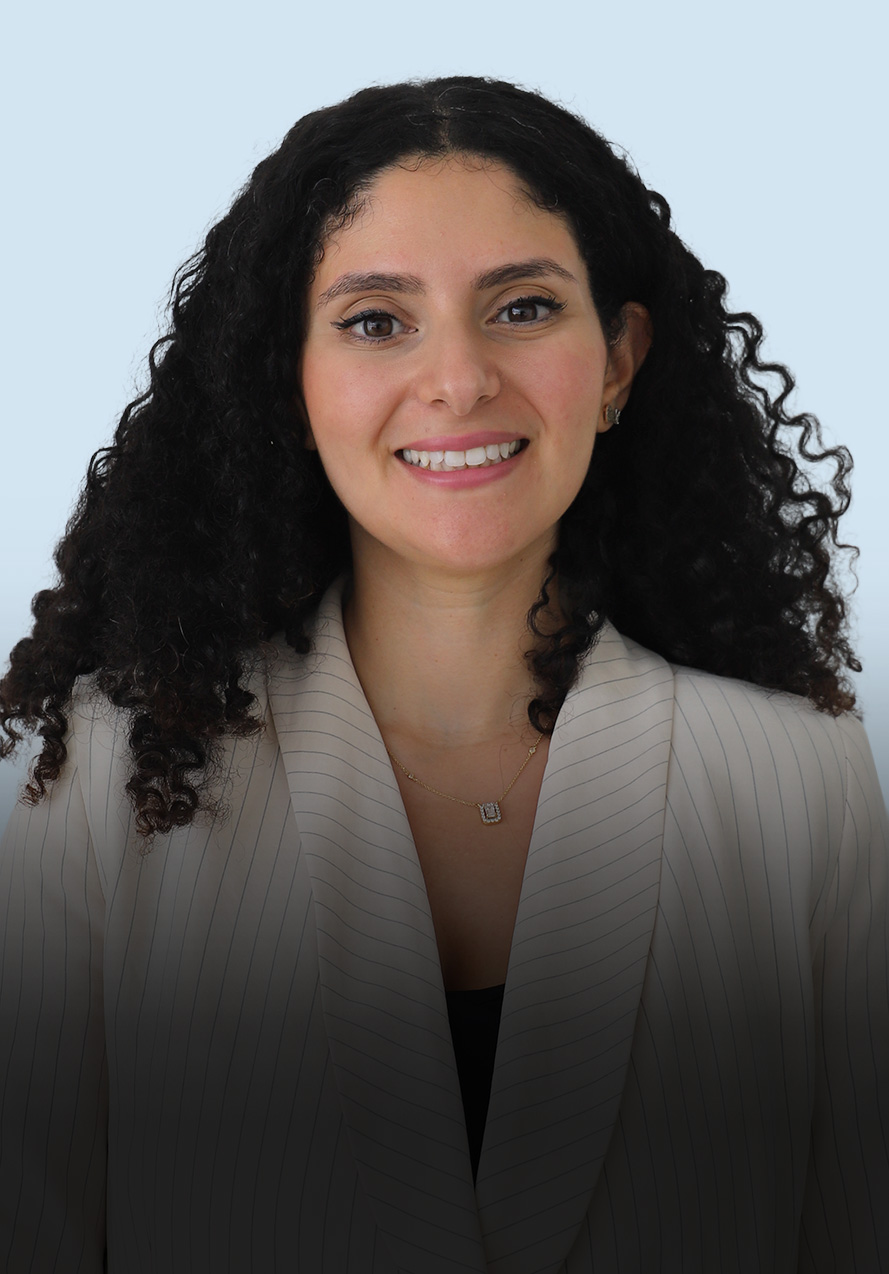
Sabrine Emran
Senior Economist
Sabrine Emran is a Senior Economist at the Policy Center for the New South (PCNS).At the PCNS, Sabrine Emran conducts research on the Energy Transition, Climate Finance, and Critical Minerals, focusing on the energy priorities of developing countries in the context of sustainable development, just energy transition, and global climate commitments.Before joining the PCNS in 2022, Sabrine Emran worked as a Commodities Analyst and Risk Management Consultant, specializing in agricultural and energy commodities as well as foreign exchange risk. She also held a position at Lyxor Asset Management as Request for Proposal and Product Specialist, where she focused on alternative investment asset classes and collaborated closely with institutional investors.Sabrine Emran holds a master’s ...