حديث الثلاثاء : أفق التشغيل في المغرب بحلول عام 2030

April 8, 2025

رغم التحسن النسبي في بعض المؤشرات الاقتصادية الكبرى في المغرب، إلا أن التشغيل ما يزال الحلقة الأضعف في معادلة التنمية. في هذا السياق، أعلنت الحكومة المغربية عن خارطة طريق وطنية للتشغيل تهدف إلى خفض البطالة إلى تسعة في المئة وخلق مليون منصب شغل، بالإضافة إلى أربعمئة وخمسين ألف منصب شغل في أفق عام 2030. طموح كبير، لكن هل هو واقعي؟ وهل تتوفر الشروط الاقتصادية والمؤسساتية لتحقيقه؟ في هذه الحلقة، نستضيف الطيب غازي باحث في الاقتصاد و أحد مؤلفي الورقة التي قيّمت خارطة الطريق، لمناقشة جدية الأرقام، طبيعة السيناريوهات المطروحة، معيقات إدماج النساء، وأولويات الإصلاح العاجلة لتحويل واقع التشغيل في المغرب

Speakers
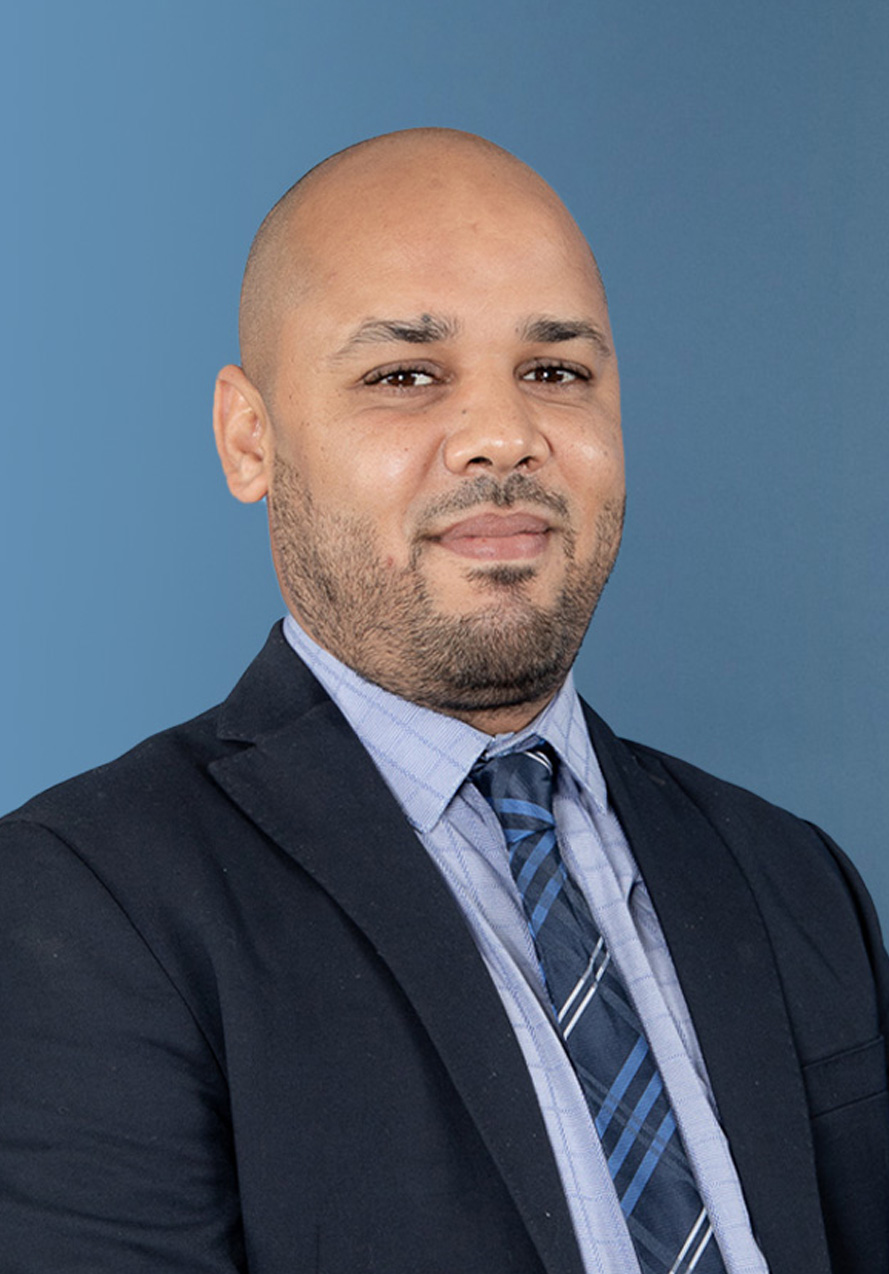
Tayeb Ghazi
Senior Economist
Tayeb Ghazi is Senior Economist at the Policy Center for the New South (PCNS). He is also a member of the Social and Solidarity Economy Research Group at Cadi Ayyad University and holds a master's degree in applied finance from the same university. He is currently working on topics related to labour market, education, migration and some aspects of international trade in developing countries. ...
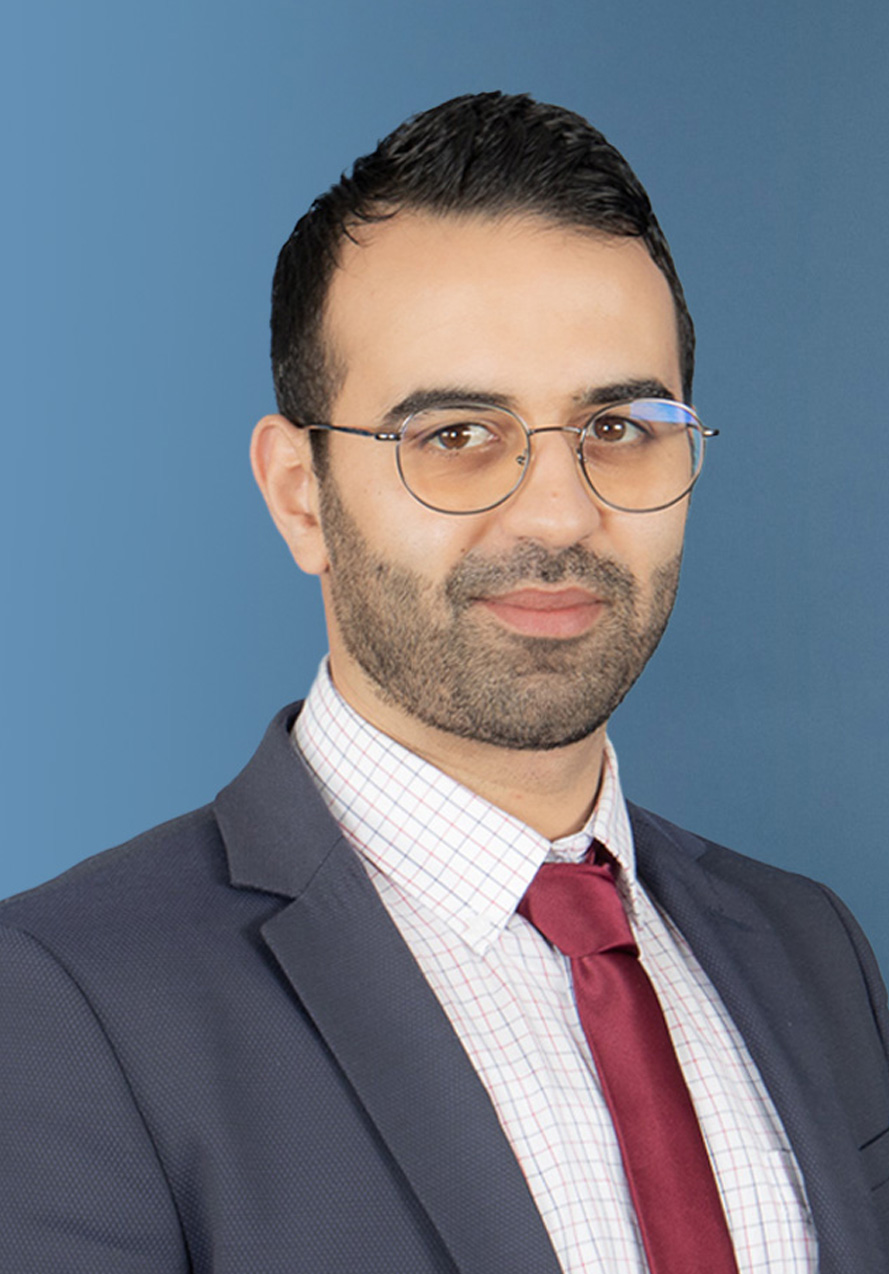
Badr Mandri
Economist
Badr Mandri is a Senior Economist at the Policy Center for the New South (PCNS), after an experience at Morocco's Haut-Commissariat au Plan (HCP). His research focuses primarily on macroeconomics, commodity markets, and development economics, having notably directed a collective volume on human capital. He also serves as an executive trainer at Mohammed VI Polytechnic University (UM6P), delivering specialized programs on public finance and fiscal policy for public sector professionals.Badr Mandri holds a Master's degree in Applied Economics from Mohammed V University in Rabat. ...

RELATED CONTENT

  • January 07, 2022
    يخضع سوق الشغل المغاربي منذ سنوات إلى مجموعة من الضغوطات تخص العرض والطلب إضافة الى ميكانيزمات التنظيم. ونعرض هنا أهمها وأبرز ما ينتج عنها من اختلالات. ومن الممكن ان تتفاقم هذه الاخيرة بع ...
  • May 31, 2021
    La Diaspora marocaine, qui compte aujourd’hui près de 5 millions de ressortissants à l’étranger, contribue de manière significative au développement économique du Maroc.  Leurs transferts de fonds jouent un rôle crucial dans la réduction de la pauvreté, surtout en milieu rural.  Ils permettent également d’améliorer l’accès à l'éducation et à la santé. Les transferts des Marocains du monde qui, généralement, occupaient le deuxième poste de recettes dans la balance des paiem ...
  • February 16, 2021
    خصص مركز السياسات من أجل الجنوب الجديد حلقته الاسبوعية لحديث الثلاثاء لمناقشة قانون الشغل والحماية الاجتماعية في ظل أزمة كوفيد 19 رفقة محمد طارق، أستاذ القانون الاجتماعي بجامعة الحسن الثاني بالدار البيضاء. في هذه الحلقة سيتم تحليل وضع المغرب فيما يتعلق بالمجال الحماية الاجتماعي خاصة خلا...
  • July 16, 2020
    La femme représente la moitié de la société. Côte à côte avec l’homme, elle a toujours contribué au développement des sociétés lorsque les facteurs de conversion lui ont permis de mettre à l’œuvre ses potentialités pour parler simple. Aujourd’hui, cette catégorie de la société marocaine, et mondiale, subit de manière disproportionnée les répercussions de la crise de la Covid-19, sur plus d’un aspect de la vie en société. Ceci est particulièrement vrai lorsqu’il s’agit des domaines ...
  • Authors
    Numéro spécial du cahier du plan - Volume 2
    December 18, 2019
    Lors du colloque autour du thème « Croissance économique au Maroc : théories, évidences et leçons des expériences récentes », organisé conjointement par le Haut-Commissariat au Plan (HCP) et le Policy Center for the New South et accueilli par le HCP en mai 2017 dans ses locaux à Rabat, des experts et praticiens de près de 30 institutions académiques et non académiques ont échangé et débattu de la croissance économique au Maroc dans un framework transverse alliant le théorique au pra ...
  • September 17, 2019
    INTERVIEW avec Patrick Plane 1/ Selon votre indice de compétitivité durable en matière d’attractivité, le Maroc occupait, en 2016, la 5ème place en Afrique, en même temps qu’il se situait en haut du tableau en termes de résistance aux vulnérabilités. Que révèlent pour vous ces classemen...
  • September 1, 2019
    Income inequality is high in Morocco. In 2013, the share of national income1  of the richest 10% in Morocco stood at nearly 32%, 12 times higher than the share of national income of the poorest 10% of the population. This paper argues that, drawing on international experience, there is much more that Morocco’s government can do to reduce inequality while at the same time enhancing growth and – possibly – doing so in a manner that is budget-neutral or even budget-positive. Top o ...
  • August 23, 2019
    Income inequality is high in Morocco. In 2013, the share of national income of the richest 10% in Morocco stood at nearly 32%, 12 times higher than the share of national income of the poorest 10% of the population. High inequality can adversely affect long-term growth as it tends to be associated with underutilization of human potential. This paper argues that, drawing on international experience, there is much more that Morocco’s government can do to reduce inequality while at the ...
  • Authors
    Sabine Cessou
    November 1, 2018
    Le séminaire de haut niveau, organisé par OCP Policy Center ce 2 novembre 2018 à Rabat, est axé sur « La migration : réconcilier les visions du Nord et du Sud ».  Il sera question dans cette rencontre, organisée en partenariat avec le Ministère délégué auprès du ministre des Affaires étrangères et de la Coopération internationale, Chargé des Marocains résidant à l’étranger, des affaires de la migration et l’IeMED, de la coopération internationale pour « lever les obstacle ...
  • November 1, 2018
    This policy brief shows that the downward trend of employment in manufacturing in Morocco is due primarily to labor productivity improvement and that the increased deficit in manufacturing trade also plays an important role. While recognizing the crucial importance of a vibrant manufacturing sector in Morocco, this brief argues that Morocco cannot rely primarily on manufactures to “pull” labor out of agriculture. To provide more jobs, Moroccan policies should pay more attention to s ...