The Future of Central Banking: Crypto, AI, and Monetary Policies

January 13, 2026

Central banks are facing a new era where crypto and AI are reshaping how money is managed. Traditional monetary policies are evolving to meet these technological and financial challenges. This episode explores the risks, opportunities, and innovations redefining the future of finance. Discover how technology is transforming the heart of global economic decision-making.

Speakers
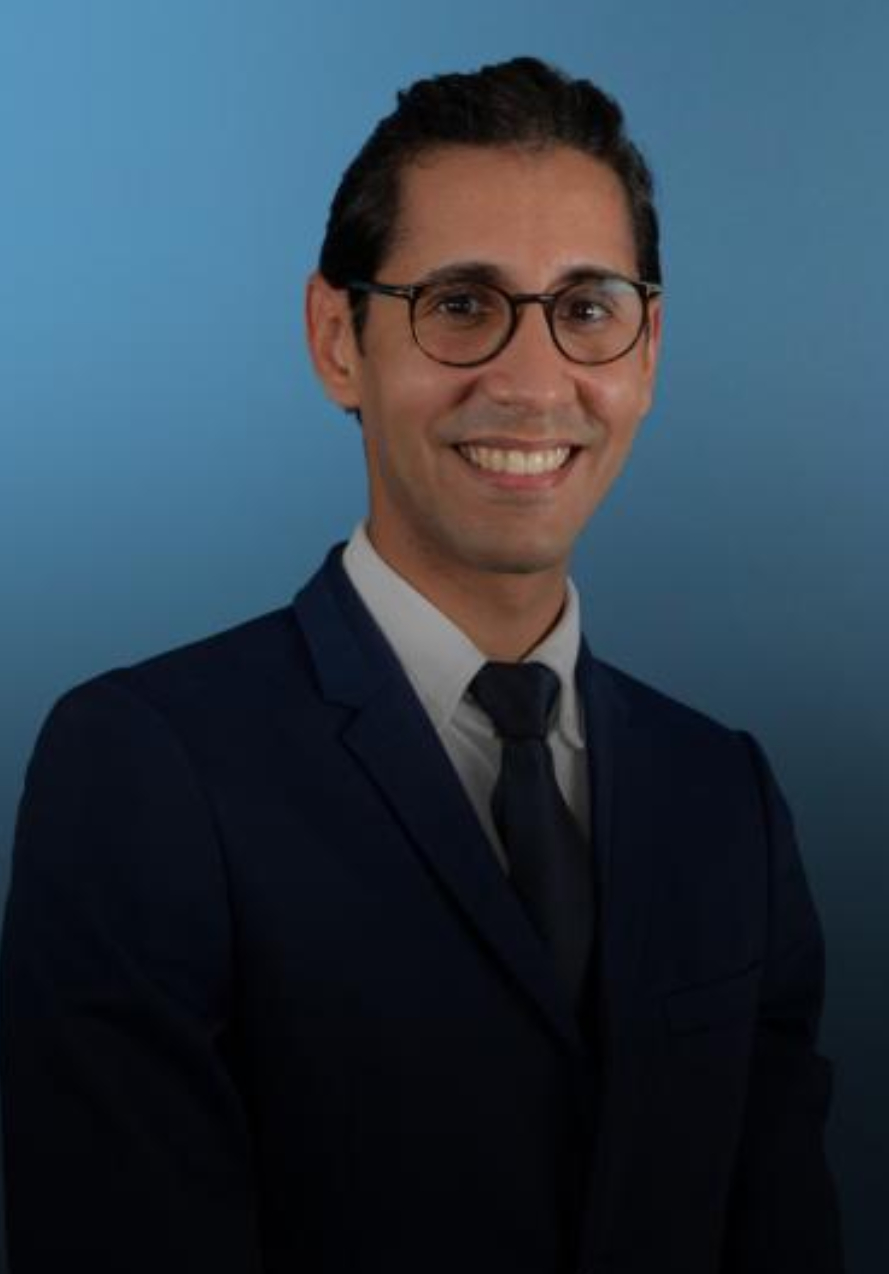
Ahmed Ouhnini
Economist, Policy Center for the New South
Ahmed Ouhnini is an Economist at the Policy Center for the New South. His research area covers agricultural economics, human and social development. Previously, he has worked as a researcher at the Paris School of Economics (PSE) and has also a record of working in consulting services in Morocco. Ahmed holds an engineering Diploma in Agriculture and Rural Development from the National School of Agriculture of Meknes and a Master’s Degree in Law, Economics and Management from the Paris 1 Pantheon Sorbonne Institute of Development. ...
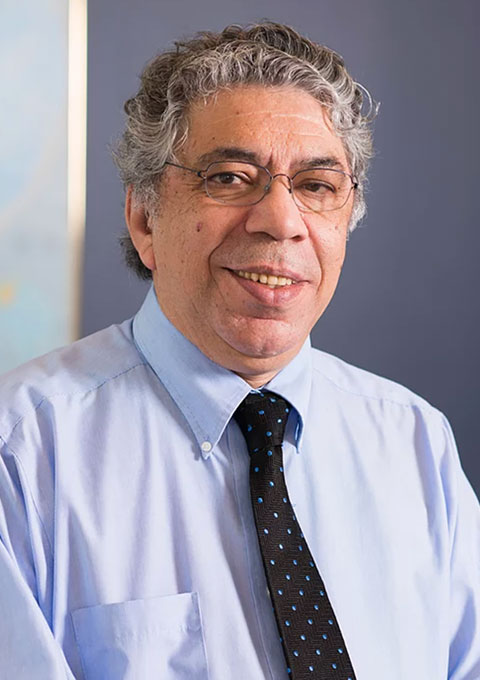
Otaviano Canuto
Senior Fellow
Senior Fellow at the Policy Center for the New South, Affiliate Professor at Mohammed VI Polytechnic University and Non-Resident Senior Fellow at Brookings Institute. Former Vice President and Executive Director at the World Bank, Executive Director at the International Monetary Fund (IMF) and Vice President at the Inter-American Development Bank. ...
Ala’a Kolkaila
Alumni ADEL
document.location = 'https://www.policycenter.ma/adelcommunity/alaa-kolkaila' ...
RELATED CONTENT

  • December 8, 2022
    Cette étude concerne 33 États du continent africain où, en 2022, le % des détenteurs de cryptomonnaies de chaque pays, par rapport à sa population est au minimum de 1 %. À eux seuls, trois parmi ce groupe de pays, que sont l’Afrique du Sud, le Kenya et le Nigeria, totalisent plus de 333 millions de personnes, avec des pourcentages de leurs détenteurs de cryptomonnaies proches compris entre plus de 12 % en Afrique du Sud, plus de 11 % au Kenya et plus de 10 % au Nigeria. À l' ...
  • November 24, 2022
    This chapter was originally published in the book "Africa–Europe Cooperation and Digital Transformation", co-edited by Chux Daniels, Benedikt Erfoth, and Chloe Teevan Since the mid-2010s, North African countries have been pursuing what some observers have called a “return to Africa” (Dworkin, 2020). Egypt, Morocco, and Tunisia have attempted to position themselves as major components of Europe- Mediterranean-Africa infrastructure and supply chains corridors (Tanchum, 2020). The thr ...
  • Authors
    November 22, 2022
    The US dollar has risen dramatically in value against other currencies recently. Three channels through which factors affecting bilateral exchange rates operate have been pulling up the U.S. dollar: yield differentials, liquidity differentials, and growth differentials. The strong appreciation of the US dollar against other currencies recently reinforced the contractionary pressures present in the global economy. Ultimately, the “turn” or “pivot” of the dollar will most likely occur ...
  • Authors
    November 17, 2022
    This piece examines the role of labor and religious movements in the face of the “informalization” of the African economy. How does the growth of an informal sector set back class formation and labor activism? How will the rise of economic networks outside formal economic and political channels affect state capacity? Can labor unions develop organizational independence if the labor market is segmented with a growing number of informal workers? What happens when labor market “insider ...
  • November 4, 2022
    Panel 2: Les Communautés Economiques Régionales : Quel apport à la résilience africaine dans un contexte de chocs multidimensionnels ? Modérateur:            Abdelaaziz Aït Ali, Manager – Département d’économie, Pol...
  • Authors
    October 28, 2022
    Le débat parlementaire sur la loi de Finances va bientôt entamer son cycle annuel. L'examen de la loi de Finances est un temps fort du débat budgétaire. Il est indéniable que la finalité de la représentation nationale est de promouvoir une logique d'efficacité des institutions du Royaume. Le débat déborde naturellement le cadre de travail des commissions et des séances publiques parlementaires pour irradier la presse, les acteurs économiques et sociaux et l'opinion publique. La diff ...
  • Authors
    October 24, 2022
    The pandemic has hit Latin America hard, and its economic recovery has been slower than in other regions. In addition to the legacy of higher public indebtedness, the pandemic left scars on the labor market and the human capital formation of future workers. The COVID-19 crisis has receded in Latin America but has left a significant toll. Reported deaths from the pandemic are currently low and converging to global levels. The average excess mortality during the pandemic was among t ...
  • Authors
    October 18, 2022
     This publication was originally published in the IEMed Mediterranean Yearbook 2022   The informal sector plays a major role in most MENA economies. It employs a large share of the total population and, on average, accounts for about 22% of GDP. According to the International Labour Organization (ILO), which defines informal employment as the proportion of workers without access to social security, the share of informal employment in total employment in MENA countries ra ...