Africafé: La régulation de l’intelligence artificielle en Afrique

February 22, 2024

La révolution intelligence artificielle submerge l’Afrique, en proie à d’importantes transitions. Reposant sur un processus d’imitation de l’intelligence humaine qui se base sur la création et l’application d’algorithmes, l’intelligence artificielle qui constitue le pilier de la quatrième révolution industrielle, est en mesure d’assoir l’émergence de l’Afrique, tout en accélérant la transformation de nombreux secteurs dont dépendra le futur du continent, notamment l’économie, l’agriculture, la santé, l’éducation et les services financiers. Cependant, bien que l’intelligence artificielle prend une place de plus en plus importante dans l’économie et les sociétés africaines, ses applications diverses, balbutiantes ou bien installées dans des secteurs d’activités variés, rendent sa régulation difficile au regard des enjeux industriels et éthiques qui l’accompagnent. La régulation de l’intelligence artificielle en Afrique qui consiste à encadrer le développement des technologies de l’IA, tout en favorisant l’innovation technologique, est dès lors indispensable pour éviter toute forme de dérive juridique. Si les Etats-Unis et l’UE ont un temps d’avance dans le domaine de la régulation de l’IA l’intelligence artificielle, l’Afrique compte bien rattraper son retard 

Speakers
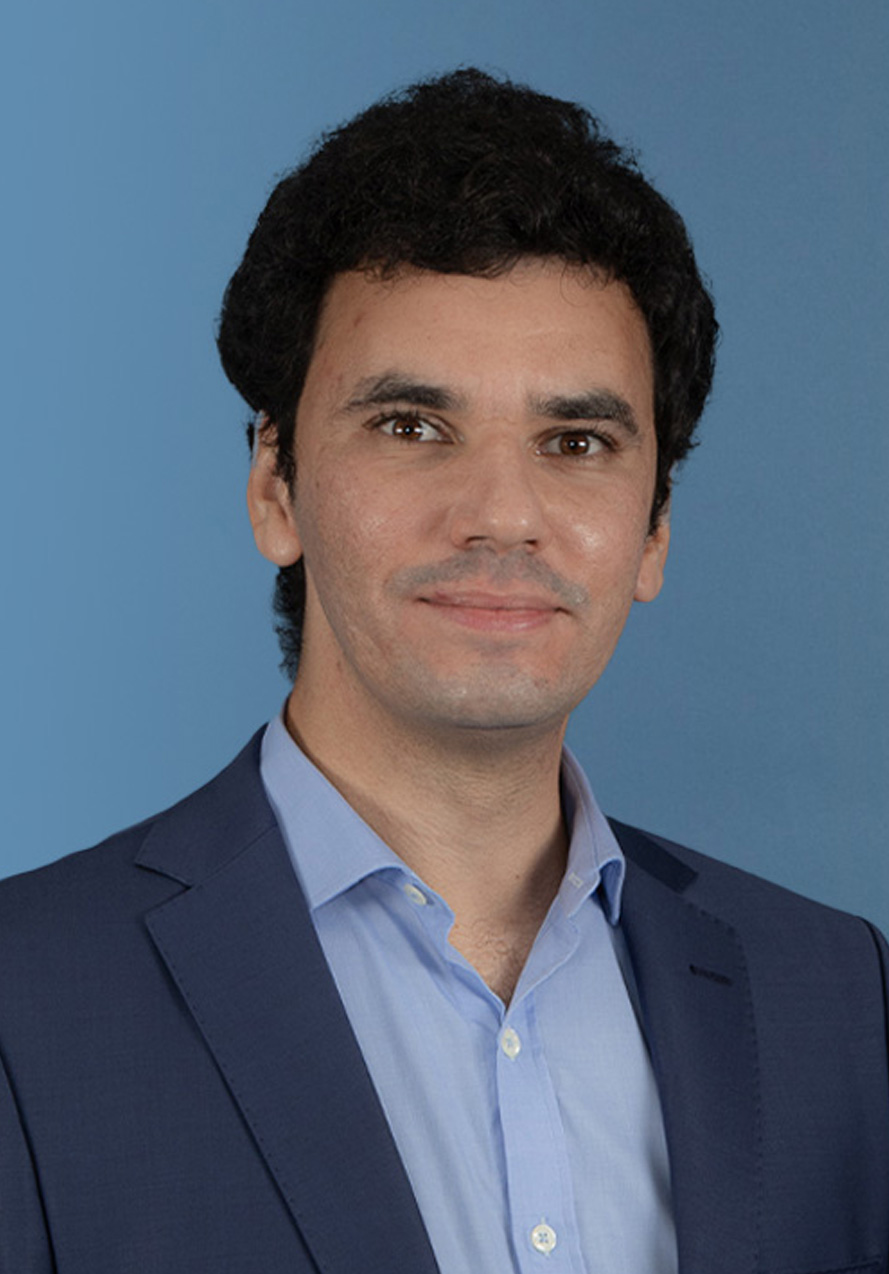
Abdessalam Saad Jaldi
Senior International Relations Specialist
Abdessalam Saad Jaldi is a Senior International Relations Specialist at the Policy Center for the New South (PCNS).He is also an Affiliate Professor of Digital Law and Emerging Technologies at University Mohammed VI Polytechnic (UM6P)At the PCNS, Jaldi conducts research encompassing the Maghreb, the European Union (EU), India, and the evolving landscape of international law, with a particular focus on artificial intelligence (AI) and maritime lawHe notably represented the PCNS as a member of the T20 Brasil task force 6 (TF 06) on “Strengthening Multilateralism and Global Governance”.Abdessalam Saad Jaldi holds a PhD in Law from the University of Strasbourg, as well as two master’s degrees: One in Public and Private International Law from the University of Strasbourg, and anoth ...

RELATED CONTENT

  • September 1, 2022
    Dans cet épisode Lassina Diarra et Abdelhak Bassou échangent sur le caractère religieux des violences en Afrique de l'ouest. Ils y discutent des implications politiques et des fondements de ces violences ainsi que des causes de leurs résurgence. ...
  • Authors
    August 30, 2022
    Rwanda is famous for its remarkable socio-economic performance after the ravages of the Genocide against the Tutsis and moderate Hutus in 1994. Under the leadership of President Paul Kagame, Rwanda has followed a state-led development model with stunning results. Despite these substantial accomplishments, Rwanda is still a low-income country with extensive poverty. Its agriculture is still of low productivity and highly vulnerable to climate change. Structural transformation has we ...
  • Authors
    August 29, 2022
    L’Afrique représente environ 3 % du produit intérieur brut mondial. Il n’est donc pas surprenant que le poids du continent dans le secteur de l’énergie soit très faible, compte tenu des liens très étroits entre économie et énergie. Selon la dernière édition de la BP Statistical Review of World Energy, publiée en juin 2022 et portant sur l’année 2021, la part de l’Afrique dans la consommation mondiale d’énergie primaire était de 3,4 % l’an dernier (a) (b). Le continent, qui représent ...
  • August 26, 2022
    In a conversation with Helmut Sorge, Columnist at the Policy Center for the New South, the Founder of the Global Initiative for Food Security and Ecosystem Preservation, and Atlantic Dial ...
  • Authors
    August 26, 2022
    Si l’Afrique est de nos jours convoitée par de nombreux acteurs (Turquie, Chine, Russie, etc..), le Japon y renforce et diversifie sa présence. Deuxième contributeur de la Banque africaine de développement (BAD), le pays du « soleil levant » s’implante en Afrique centrale, du Nord et de l’Est, avec un focus sur le domaine technique avec des objectifs très précis (nouvelles technologies, sécurité alimentaire, infrastructures). C’est cependant un partenaire qui privilégie la discrétio ...
  • August 19, 2022
    Despite some exceptions such as Rwanda, Morocco and Tunisia to some extent, about 80% of Africa still has not learnt that being dependant on others is putting your population at risk, acc ...
  • Authors
    August 18, 2022
    On the evening of August 15, the Kenyan Independent Electoral and Boundaries Commission (IEBC) declared William Ruto, the vice-president of the outgoing government, as winner of the presidential race. The announcement was not made in a situation of calm, as political unrest and turbulence erupted a few moments before Wafula Chebukati, the Chairman of the Electoral Commission, announced the winner’s name. For the first time since it was established by the Constitution in 2011, the me ...
  • Authors
    August 17, 2022
    In May 2021, the International Energy Agency’s (IEA) report Net Zero by 2050 stated that there is no need for new investments in oil and gas fields in their net zero pathway[1]. The message was clear: place your next investments in clean energy sources and energy efficiency. However, the IEA’s Africa Energy Outlook 2022 stated that Africa’s industrialisation relies in expanding the use of natural gas[2]. Even the IEA executive director Fatih Birol said, “if we make a list of the top ...
  • Authors
    August 15, 2022
    Kenyans headed to the polls on August 9 to elect their fifth president, along with county governors, members of the Senate, and National Assembly representatives. The elections took place in a context of growing challenges of rising commodity prices, and the recent developments over the maritime dispute in which the International Court of Justice ruled in favor of Somalia. The presidential race between William Ruto—former deputy minister in the past government—and Raila Odinga, the ...