Africafé: Dette et développement en Afrique

April 18, 2024

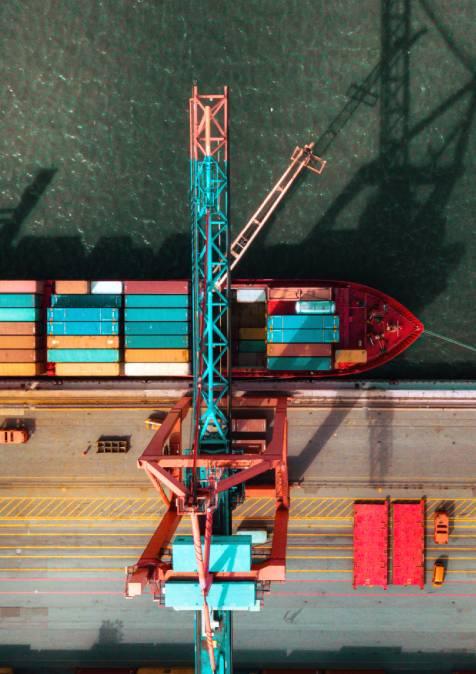
Dans cet épisode, nous accueillons M. Badr Mandri, Economiste au Policy Center for the New South qui partage son analyse sur « La Dette et développement en Afrique ». Plusieurs pays d'Afrique ont déclaré un défaut de paiement ou se sont engagés dans des initiatives de suspension du service de la dette en raison de problèmes financiers. Les études montrent qu’une grande partie de ces pays sont vulnérables face aux chocs exogènes, rendant plus fréquents les épisodes de tension sur la liquidité et les mène au bord de l’insolvabilité. Ces événements laissent entendre qu’une nouvelle crise de la dette sur le continent est en train de se profiler et malgré les efforts engagés par chaque pays pour mobiliser des ressources domestiques, le recours à l'endettement demeure un levier majeur pour financer le développement et les projets structurants.

Au cours de la dernière décennie, le profil des créanciers s’est diversifié avec la présence de pays émergents et des acteurs du secteur financier privé qui ont élargi le paysage des prêteurs dans le continent. Cette situation qui a permis de contribuer à l’afflux de ressources supplémentaires mais également à alourdir la dette publique. Alors que la question du traitement de la dette africaine est au cœur des discussions sur l'architecture financière internationale nous tenterons dans cet épisode d’analyser la situation de l’endettement dans le continent et les solutions envisagées pour une meilleure prise en compte du profil de la dette africaine.
Speakers
Ahmed Ouhnini
Senior Program Officer, Policy Center for the New South
Ahmed Ouhnini is an Economist at the Policy Center for the New South. His research area covers agricultural economics, human and social development. Previously, he has worked as a researcher at the Paris School of Economics (PSE) and has also a record of working in consulting services in Morocco. Ahmed holds an engineering Diploma in Agriculture and Rural Development from the National School of Agriculture of Meknes and a Master’s Degree in Law, Economics and Management from the Paris 1 Pantheon Sorbonne Institute of Development. ...
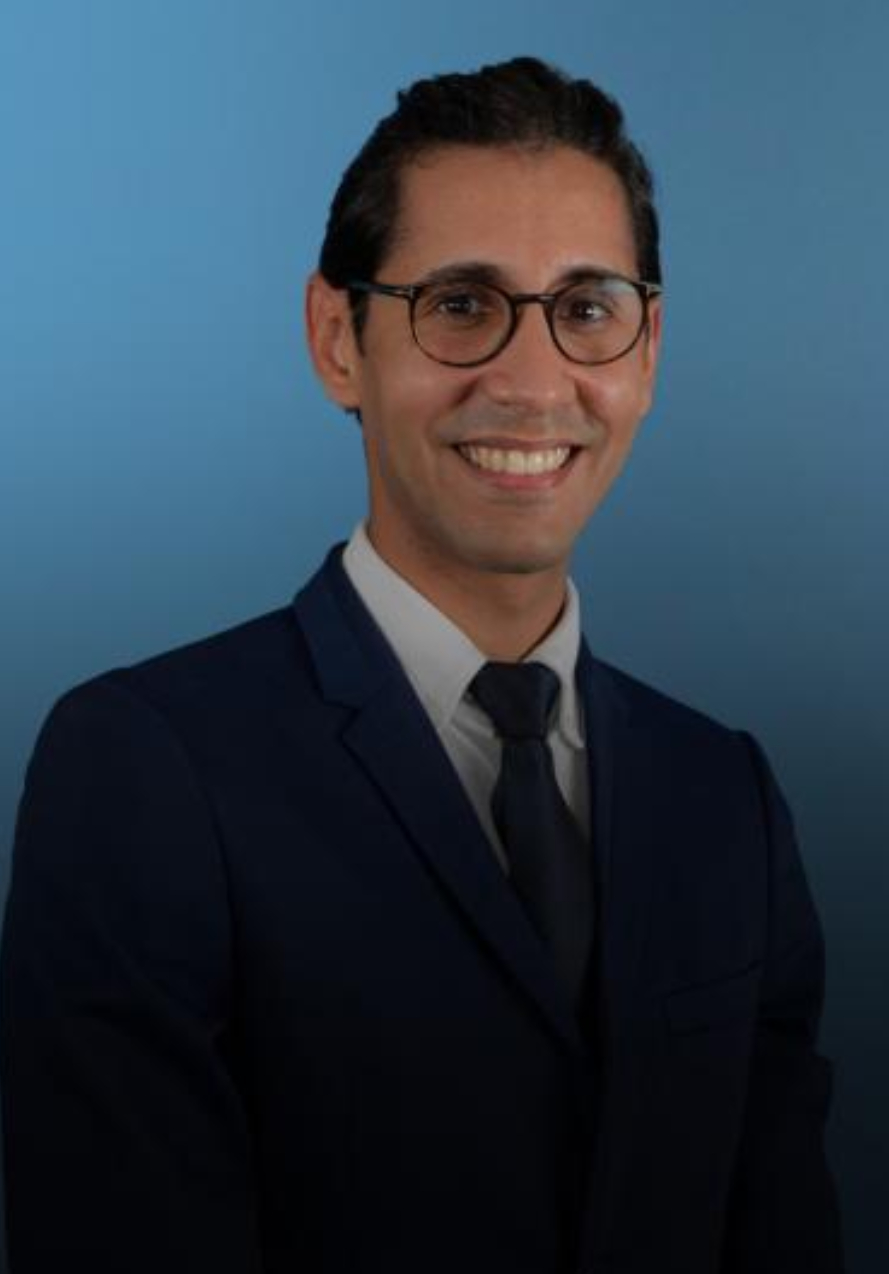
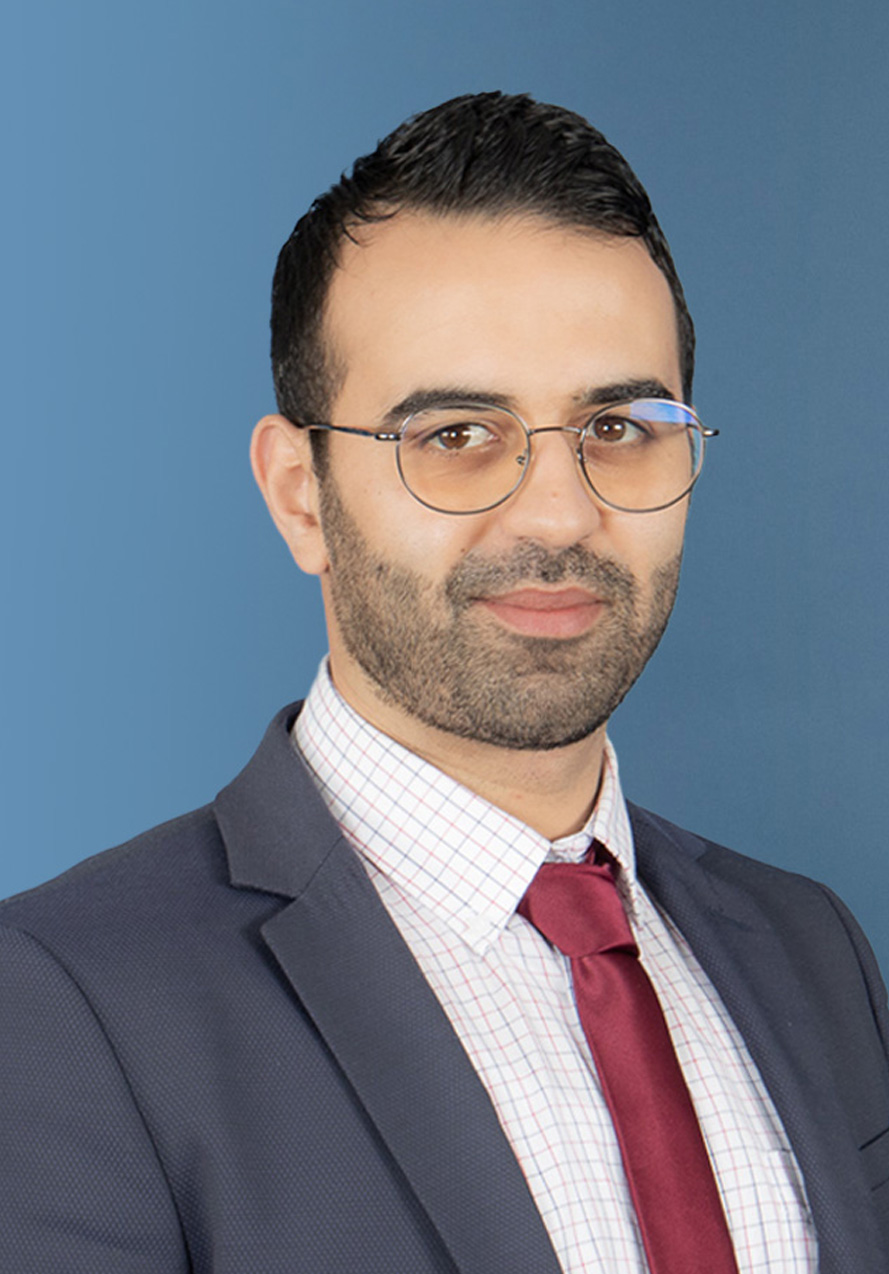
Badr Mandri
Economist
Badr Mandri is a Senior Economist at the Policy Center for the New South (PCNS), after an experience at Morocco's Haut-Commissariat au Plan (HCP). His research focuses primarily on macroeconomics, commodity markets, and development economics, having notably directed a collective volume on human capital. He also serves as an executive trainer at Mohammed VI Polytechnic University (UM6P), delivering specialized programs on public finance and fiscal policy for public sector professionals.Badr Mandri holds a Master's degree in Applied Economics from Mohammed V University in Rabat. ...

RELATED CONTENT

  • Authors
    March 3, 2023
    In recent years, personalist rule has spread around the world. As personalist rule gets upgraded and adopted across regions and regime-type, including in democracies, Africa and the Middle East are looking less exceptional, and mainstream academic theories are being challenged. The 2011 uprisings and their aftermath have destabilized social science thinking about Africa and the Middle East, creating an opportunity for fruitful cross-regional dialogue around concepts like personal ru ...
  • Authors
    February 28, 2023
    This publication was originally published on https://www.euromesco.net/   The Moroccan job market offers few opportunities for young non-educated Moroccans. With the rise of the internet, many Moroccans sought to find new ways to generate an income and find financial stability. During the COVID-19 pandemic, we have seen a rise of Moroccan entrepreneurs in e-commerce and dropshipping and a dramatic increase of motivational and educational content that aims at en ...
  • Authors
    February 24, 2023
    Mauritius was on the brink of disintegration in the 1980s, but by 2019 had managed a peaceful transformation from a low income, monocrop, inward-oriented economy to a diversified, outward-oriented, upper middle-income country. Mauritius is now again at a crossroads, having to adapt to accelerating climate change and the impacts of multiple crises. The government of Mauritius has a vision of transforming the country into a knowledge-intensive and inclusive economy of the Fourth Indu ...
  • February 16, 2023
    This publication was originally published in https://www.mdpi.com/   The Moroccan agricultural cooperative sector is a key player in self-employment and income generation through territorial anchoring. The government’s “MOURAFAKA” program offers support for newly created cooperatives, including strategic diagnosis and training. This paper analyzes the impact of the MOURAFAKA program on the sustainability of agricultural cooperatives in Morocco. Using original data from a ...
  • Authors
    Selassie Tay
    February 15, 2023
    Background The African Union in 2018 agreed to implement the world’s second-largest free-trade area measured by number of countries, people, and geographical size, with the signing of the African Continental Free Trade Agreement (AfCFTA). This agreement will ultimately lead to a continent-wide free trade area consisting of 54 countries with 1.3 billion people and a combined GDP of $3.4 trillion[1]. This equates to about 19%-20% of the GDP of the European Union and China, which ...
  • Authors
    February 13, 2023
    The volatility in energy markets since the outbreak of the Covid-19 pandemic in 2019/2020 has continued, with unprecedented uncertainty about global energy supply developing over the course of 2022 in the wake of Russia's invasion of Ukraine, against a backdrop of weakening macroeconomic conditions and high inflation. While some perceived this as a potential setback for the energy transition, others saw it as an opportunity to move away from fossil fuels and accelerate the developme ...
  • Authors
    February 10, 2023
    Considering the current situation in Burkina Faso, the international media is speaking of institutional weakness and state failure in Africa and the role of international institutions and local non-state actors in providing security and public goods in the Sahel. The discourse of state failure and counter-state sovereignty has a decades-old genealogy, but recent work by African scholars has sought to contest top-down Western labels and categories. African attempts to decolonize soci ...