AD 2021: Shifting Education Paradigms: Are Classrooms Obsolete?

December 6, 2021

The Covid-19 pandemic advanced numerous instrumental responses for online education under the urgent global shutdown of face-to-face classrooms and has accelerated and reassessed the adoption of digital tools, especially in advanced economies. While some praise the benefits of online instruction such as more flexibility, self-directed study options, and access to the same instructors and teachers as traditional learning; others remain dissatisfied with virtual classes. The latter argue that while distance learning was necessary in a time of crisis, it remains altered and thinned out of qualities and only limited to knowledge dissemination, lacking the necessary multi-sensory feedback loops and the social and affective engagement that form the enlightening experience that is education. They add that online learning was readily available pre-Covid (although not necessarily synchronous) and is only complementary to the classroom. Beyond beliefs, opinions and preferences, research shows that homework whether digital or not, increases social inequalities. In the COVID-19 crisis, this problem is exacerbated by unequal access to digital technology (as well as by differences in parental supervision of children’s schoolwork). Are classrooms really obsolete or is will a truly robust system integrate both digital and face to face learning? What did the new environment of online education teach us about the importance of face-to-face classrooms and productive pedagogies for this setting? And likewise, how can we design and utilize digital tools to the advantage of schools? What has to remain the prerogative of the classroom and what can we continue to leave to the online environment so that we can best use the in-class face-to-face time? How might we take our insights developed from online teaching to prioritize and optimize what face-to-face pedagogies afford in relation to updated understanding of educational ideals, methods and values?

Speakers
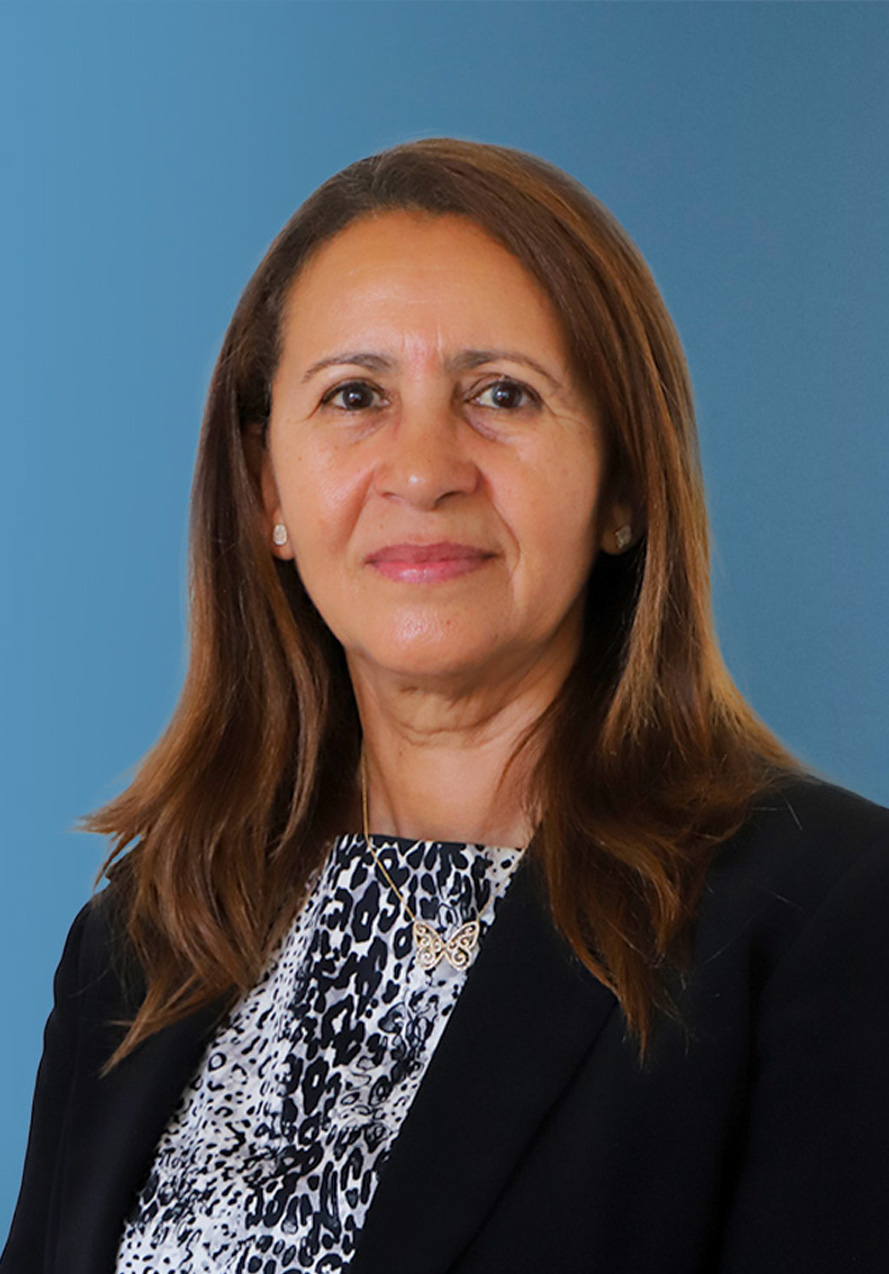
Nouzha Chekrouni
Senior Fellow
Dr. Nouzha Chekrouni is a Senior Fellow at the Policy Center for the New South. She has extensive experience in academia, diplomacy and political leadership.  She has served as His Majesty’s Ambassador to Canada (2009-2016), and Dean of the Council of Arab League Ambassadors to Canada (2015-2016). Dr. Chekrouni was Minister for the Moroccan Community Living Abroad (2002-2007), a Member of Parliament (2002-2007), and the Minister for Women and Social Issues (1998-2002). She holds a Bachelor Degree from the Philological Faculty at the University of Fez, a Post-Graduate Diploma and a PhD in Linguistics from the Université Sorbonne Nouvelle in Paris. Dr. Chekrouni has also completed a Certificate in Ethics and International Relations at Harvard University. She is a 2016 Sen ...
Youssef Kobo Aouriaghel
Director, A Seat At The Table
Youssef Kobo Aouriaghel is a strategic innovation consultant and serial entrepreneur. CD&V politician. A former advisor to the Brussels Secretary of Digitalization and Equal Opportunities. A Belgian author, publicist and public speaker. A columnist who writes about MENA, Africa and innovation. Founder of several non-profits, programs and projects working with disadvantaged groups in Europe, the Middle East and Africa." ...

RELATED CONTENT

  • June 30, 2026
    À l'échelle mondiale, les politiques publiques de jeunesse sont confrontées à un double enjeu : répondre à des défis socio-économiques structurels; chômage, précarité, fractures territoriales, tout en intégrant une demande croissante de participation citoyenne effective. (OIT, 2023 ; Nations Unies, 2020) En Afrique, ce défi revêt une dimension singulière compte tenu du poids démographique de la jeunesse et des fragilités persistantes des démocraties locales. (BAD, 2020 ; Mo Ibrahim ...
  • June 30, 2026
    Globally, public policies for youth face a twofold challenge: addressing structural socioeconomic challenges—such as unemployment, precariousness, and regional disparities—while accommodating a growing demand for effective civic participation. (ILO, 2023; United Nations, 2020) In Africa, this challenge takes on a unique dimension given the demographic weight of the youth population and the persistent fragility of local democracies. (AfDB, 2020; Mo Ibrahim Foundation, 2023)Elections ...
  • June 26, 2026
    Au Maroc, la problématique des jeunes NEETs (Ni en emploi, ni en études, ni en formation) constitue une urgence nationale, alimentée par 300 000 abandons scolaires annuels. Face à ce défi, le modèle de l'École de la Deuxième chance nouvelle génération (E2C-NG) a démontré sa pertinence en affichant un taux d'insertion exceptionnel de 81 %.Cependant, ce succès institutionnel repose intégralement sur un tissu associatif local aujourd'hui fragilisé. L'analyse inédite des donné ...
  • June 25, 2026
    Les politiques économiques influencent directement le quotidien des citoyens, mais leur complexité alimente souvent distance, incompréhension et méfiance. Face à la désinformation et au manque de transparence, il devient essentiel de renouveler les formes de dialogue entre experts, déci...
  • Authors
    Imad Hajjaji
    June 10, 2026
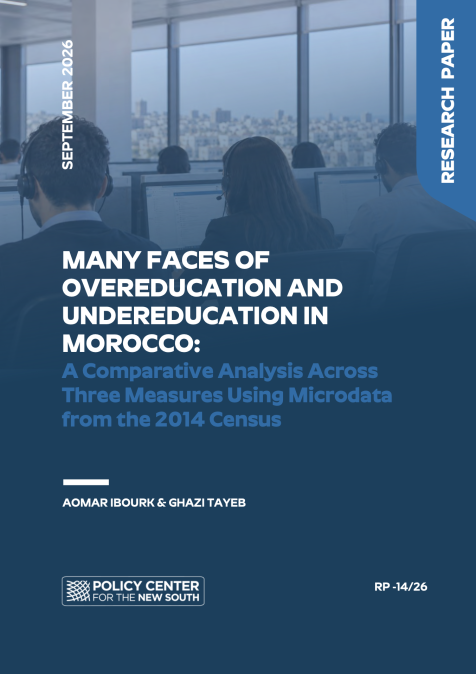
    Depuis le lancement de GPT-4 en mars 2023, un discours de plus en plus en vogue affirme que « si vous ne maîtrisez pas l'Intelligence artificielle (IA) vous serez dépassé ». On parle de prompt engineering comme s'il s'agissait d'une compétence ésotérique réservée à une élite technologique. Les réseaux sociaux professionnels regorgent de profils qui se présentent comme « experts en IA » après avoir suivi une formation de deux semaines. L'alarmisme fait vendre, et ...
  • Authors
    Karim El Mokri
    Idriss El Abbassi
    June 8, 2026
    Le monde du travail est engagé dans un processus de mutation sans précédent. La quatrième révolution industrielle, portée par l’intelligence artificielle (IA) et la robotisation, a été le point de commencement d’une ère nouvelle où les repères économiques et sociaux se redéfinissent à une vitesse inédite. Ces technologies suscitent un engouement légitime et offrent des perspectives prometteuses, mais requièrent une vigilance accrue face aux incertitudes qui les entourent.Bien que, à ...
  • May 5, 2026
     يسلط هذا الحوار الضوء على تحديات قطاع التعليم في المغرب، رغم التقدم المحرز في توسيع الوصول وتحسين البنية التحتية. يبرز طيب غازي مفارقة التقدم بين الكم والكيف: ارتفاع معدلات الالتحاق الدراسي (90% في 2022) مقابل تراجع جودة التعلم (ضعف القراءة والرياضيات) وارتفاع البطالة بين حاملي ال...
  • April 14, 2026
    في هذه الحلقة يتم تناول دور الجامعات المغربية في تعزيز الدبلوماسية العلمية للمغرب على المستويين الإقليمي والدولي، وإمكانية تحولها إلى فاعل أساسي في القوة الناعمة الوطنية، كما يناقش أهمية الشراكات الأكاديمية والبحثية الدولية في تعزيز الإشعاع العلمي ونقل المعرفة، ويتطرق كذلك إلى أبرز التح...