Podcasts

Back

حديث الثلاثاء: إفريقيا والدبلوماسية المتعددة الأطراف

02
May 2023
Imane Lahrich & Mohammed Loulichki

بمناسبة اليوم الدولي للتعددية والدبلوماسية من أجل السلام، قررنا تخصيص الحلقة إلى إفريقيا ومبدأ تعددية الاطراف في سياق اوضاع السلم والأمن الهشة في منطقة الساحل وانتشار عدم الاستقرار في البحيرات الافريقية الكبرى، بالإضافة إلى عجز مجلس الأمن التابع للأمم المتحدة عن مواجهة الحرب المستمرة التي شنتها روسيا على أوكرانيا، ما يؤكد أزمة تعددية الأطراف. فمن بين التحديات الراهنة لهذا المبدأ في إفريقيا، نذكر ربما فشل إدارة المراحل الانتقالية بعد عدد من التغييرات غير الدستورية التي عرفتها دول القارة، تداخل المسؤوليات بين الاتحاد الأفريقي والكتل الإقليمية والتداعيات العملية لمبدأ التبعية، بالإضافة إلى صعوبات نظم الأمن الإقليمية في مواجهة التطرف العنيف. فكيف يمكننا تعريف هذا النهج حتى نميزه بين التعاون الدولي في إطار احترام السيادة الوطنية؟ هل الديناميكيات السياسية للمنظمات الدولية تحد بشكل فعال من تأثير أفريقيا المحتمل على الساحة الدولية؟ هل تحتاج إفريقيا إلى استراتيجية جديدة لمشاركتها مع الأمم المتحدة والمنظمات الدولية الأخرى؟ أم أن التحديات الخاصة بأفريقيا تتطلب أن يعيد المجتمع الدولي التفكير في مقاربته الجماعية تجاه أفريقيا؟ ثم كيف يمكن تعزيز نهج تعددية الاطراف حتى يكون اكثر فعالية ؟
RELATED CONTENT

  • Authors
    Lina Jaoid
    October 8, 2026
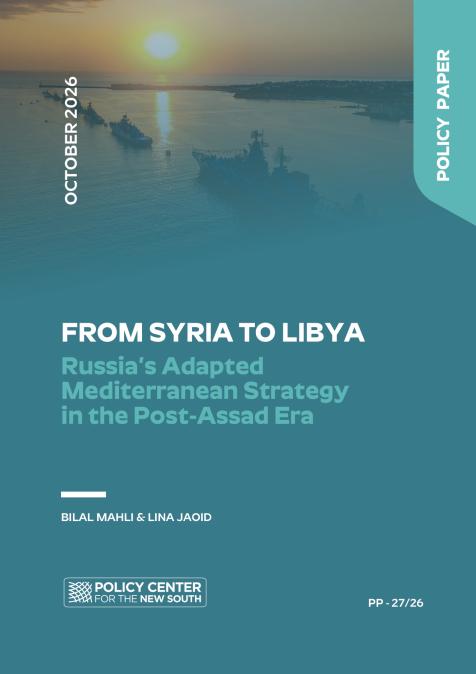
    In the two years since the fall of Bashar al-Assad in Syria, Russia has restructured its Mediterranean presence. Although Russia’s limited and increasingly conditional access to the Khmeimim and Tartus facilities in Syria has been preserved, its presence in the country has morphed from Assad’s ‘patron-client’ configuration to a more negotiated engagement. Simultaneously, Russia has upgraded its force-projection and logistical infrastructure in eastern Libya, giving it an access path ...
  • Authors
    Marie-Noelle Nwokolo
    October 6, 2026
    The author of this opinion, Marie-Noelle Nwokolo, is a 2024 alumna of the Atlantic Dialogues Emerging Leaders Program.In September 1978, delegations from 138 countries gathered in Buenos Aires, Argentina, around a powerful idea: developing countries had knowledge, experience and capabilities worth sharing with one another. The Buenos Aires Plan of Action gave institutional form to what we now call South-South Cooperation, part of a wider post-colonial effort by developing ...
  • Authors
    Marianna Albuquerque
    September 23, 2026
    The author of this opinion, Marianna Albuquerque, is a 2022 alumna of the Atlantic Dialogues Emerging Leaders Program.As world leaders gather in New York for the 81st United Nations General Assembly, climate change returns to the center of multilateral diplomacy under markedly different circumstances. The debate is no longer confined to whether the world must decarbonize, but increasingly centers on how the transition will happen, who will bear its costs, who will capture ...
  • Authors
    Joana Ama Osei-Tutu
    September 12, 2026
    The author of this opinion, Joana Ama Osei-Tutu, is a 2017 alumna of the Atlantic Dialogues Emerging Leaders Program.South-South cooperation (SSC) is often presented as an alternative to the hierarchical relationships that have historically characterized international development. In principle, SSC means Global South countries learn from one another, share expertise and resources, and develop solutions grounded in their own experiences, rather than importing models designe ...
  • September 8, 2026
    La conférence de lancement du projet POMIRE Sud-Sud, tenue au Policy Center for the New South à Rabat les 11 et 12 février 2026, a constitué un moment fondateur. Pour la première fois, l'ensemble des acteurs institutionnels de cinq des six pays partenaires du projet — Côte d'Ivoire, Guinée, Mali, Maroc et Sénégal — se sont réunis pour poser les piliers d’une vision commune et identifier les priorités qui guideront les phases opérationnelles du projet. Quatre focus groupes thématique ...
  • August 4, 2026
     Cet article a initialement été publié sur la plateforme confrontations.org Février 2022 : face à un nouveau contexte international, les Européens se rallient aux idées de souveraineté européenne et d’autonomie stratégique, brisant ainsi un tabou. Octobre 2025 : après cinquante ans de contentieux, le Conseil de sécurité ouvre la porte à une reconnaissance officielle de la souveraineté marocaine au Sahara occidental.Apparemment sans rapport, ces deux évènements sont reliés ...