Publications /
Policy Paper

Back
The Multiple Costs of the US–Iran War - From Hormuz to Europe and South Asia: the widening economic and political geography of the conflict
Authors
October 29, 2026

Wars are decided by those who hold military power, but their costs are increasingly borne by those who have little or no voice in the decisions that start them. The US–Iran war shows this imbalance very clearly. Its economic consequences have gone far beyond the battlefield and have disrupted energy markets, trade routes, food supplies, public finances and investment in the Gulf, Europe, Africa and Asia. The most striking feature of the conflict, however, is not only the size of the damage but its very unequal distribution. Major hydrocarbon exporters have suffered severe economic contractions in spite of higher oil prices. Poorer importing countries face growing fiscal pressure. The United States, relatively protected at the aggregate level, has passed a substantial part of the costs to its own consumers and to economies far beyond its borders. China, for its part, was able to draw on its strategic reserves, which shows that economic resilience does not necessarily follow from military superiority.

The most lasting consequences of the war may, in the end, be political rather than economic. The war has exposed the limits of American security guarantees, put in question the economic model of the Gulf, and further weakened confidence across the Atlantic. The central paradox is that military power can start and sustain a conflict without controlling its economic consequences, or deciding who finally pays for them. In an increasingly interconnected world, the capacity to wage war and the capacity to absorb its costs have become dangerously separated.

The war may end, infrastructure may be rebuilt and trade may recover. What will be much harder to restore is confidence in the political and security arrangements on which the global economy has long depended.
RELATED CONTENT

  • Authors
    November 28, 2025
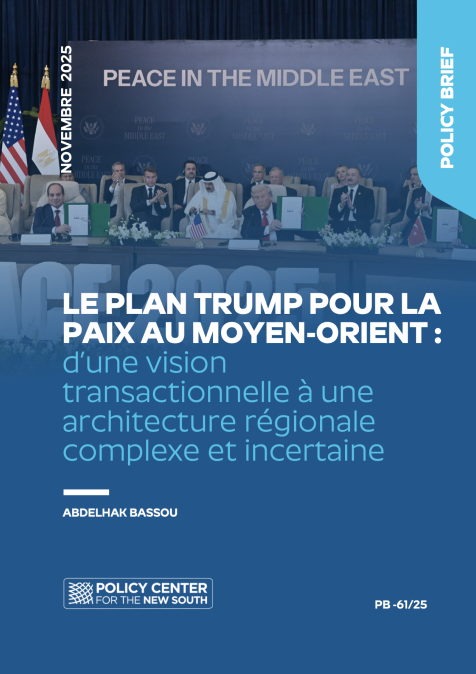
    Le 17 novembre 2025, le Conseil de sécurité de l’Organisation des Nations Unies (ONU) a adopté la résolution 2803 par laquelle il fait sien le Plan d’ensemble du Président Donald Trump ayant pour objectif de mettre fin au conflit à Gaza. Contrairement à ce qu’on pourrait croire, l’initiative américaine ne date pas du 2ème mandat de l’Administration Trump. Elle a vu le jour durant son premier mandat.  Le Plan entériné par la résolution du Conseil de sécurité de l’ONU, surnommé ‘ ...
  • November 4, 2025
    Cette tribune a été initialement publiée sur telos-eu.comSi un domaine est supposé devoir échapper à la « démocratie d’opinion », c’est bien la politique étrangère, surtout dans la France de la Ve République. Elle se doit d’être articulée autour d’intérêts à long terme et de calculs savants, sans reculer devant la raison d’Etat. L’opinion des Français à son propos est rarement scrutée.Elle se révèle plus construite qu’on ne croit. Telle est la leçon du sondage Toluna-Louis ...
  • July 4, 2025
    Tensions are rising in the Strait of Hormuz, a crucial oil route, as Iran clashes with its rivals, fueling fears that conflict could spill into vital shipping lanes. Missile attacks and military threats risk disrupting global energy supplies and sending prices soaring, with consequences...
  • Authors
    April 11, 2025
    Syria’s post-conflict transition, marked by the fall of the Assad regime and the appointment of interim President Ahmed al-Sharaa, will be a critical opportunity for renewal while confronting significant challenges. The country must navigate a complex landscape of political fragmentation, economic hardship, and security risks. This policy brief explores Syria’s prospects for reconstruction and long-term stability by assessing recent political reforms, economic recovery strategies, a ...
  • December 26, 2024
    في ظل استمرار الحرب على غزة والقرارات الأممية غير الملزمة بوقف إطلاق النار، نتساءل عن مدى فعالية هذه القرارات على أرض الواقع. نناقش في هذه الحلقة إعادة الإعمار كعملية تتجاوز البناء المادي لتشمل إعادة بناء الثقة والمؤسسات، مع تسليط الضوء على التحديات في سوريا بعد سقوط نظام بشار الأسد وتأ...
  • Authors
    October 15, 2024
    This paper provides a comprehensive analysis of the role and impact of Yemen's Presidential Leadership Council (PLC), formed in April 2022, in navigating the complexities of Yemen's ongoing civil conflict. The PLC was created to unite various anti-Houthi factions under a single governance framework, with the support of Saudi Arabia and the UAE, and to steer Yemen toward peace and stability. However, the PLC has faced numerous obstacles, including internal divisions, resistance from ...
  • Authors
    January 30, 2024
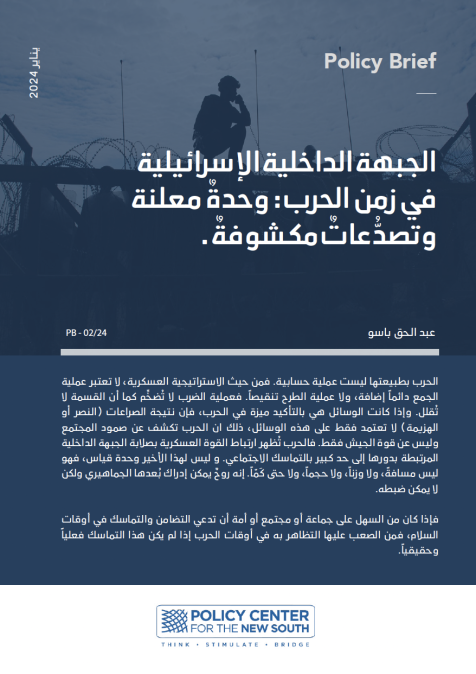
    الحرب بطبيعتها ليست عملية حسابية. فمن حيث الاستراتيجية العسكرية، لا تعتبر عملية الجمع دائما إضافة، ولا عملية الطرح تنقيصا. فعملية الضرب لا ُتضخِّم كما أن القسمة لا ُتقلل. وإذا كانت الوسائل هي بالتأكيد ميزة في الحرب، فإن نتيجة الصراعات (النصر أو الهزيمة) لا تعتمد فقط على هذه الوسائل، ذلك ان الحرب تكشف عن صمود المجتمع وليس عن قوة الجيش فقط. فالحرب ُتظهر ارتباط القوة العسكرية بصلابة الجبهة الداخلية المرتبطة بدورها إلى حد كبير بالتماسك الاجتماعي. و ليس لهذا الأخير وحدة قياس، ف ...
  • Authors
    January 5, 2024
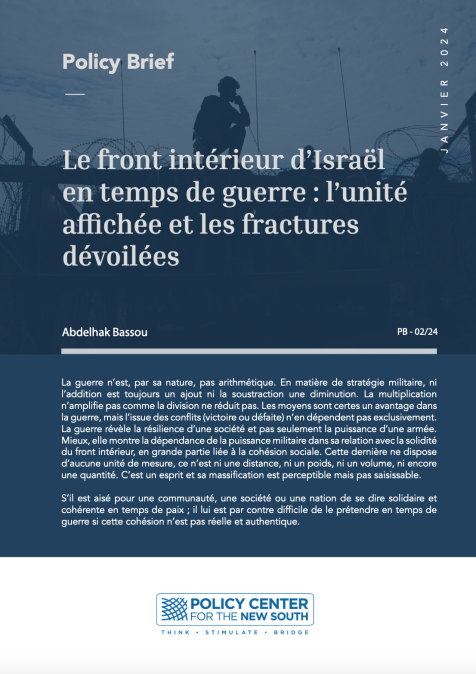
    La guerre n’est, par sa nature, pas arithmétique. En matière de stratégie militaire, ni l’addition est toujours un ajout ni la soustraction une diminution. La multiplication n’amplifie pas comme la division ne réduit pas. Les moyens sont certes un avantage dans la guerre, mais l’issue des conflits (victoire ou défaite) n’en dépendent pas exclusivement. La guerre révèle la résilience d’une société et pas seulement la puissance d’une armée. Mieux, elle montre la dépendance de la puiss ...
  • December 21, 2023
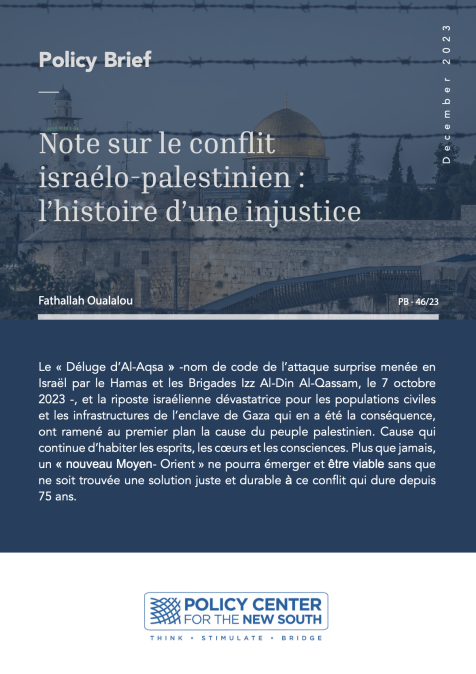
    Le « Déluge d’Al-Aqsa » -nom de code de l’attaque surprise menée en Israël par le Hamas et les Brigades Izz Al-Din Al-Qassam, le 7 octobre 2023 -, et la riposte israélienne dévastatrice pour les populations civiles et les infrastructures de l’enclave de Gaza qui en a été la conséquence, ont ramené au premier plan la cause du peuple palestinien. Cause qui continue d’habiter les esprits, les coeurs et les consciences. Plus que jamais, un « nouveau Moyen- Orient » ne pourra émerger et ...