
Podcasts

Back

African Think Tanks: Driving Policy Innovation and Development

In this episode, Thembisa Fakude discusses what distinguishes influential think tanks from academic research institutions, arguing many African think tanks are shaped—overtly or covertly—by foreign funders (US, China, Russia) pursuing their own agendas. He's skeptical that think tanks can shift global perceptions of Africa, citing elitism and a shift toward desk research over field work, and argues independent journalism does more to safeguard African democracy than think tanks do.
RELATED CONTENT

  • Authors
    Dida Badi
    February 20, 2010
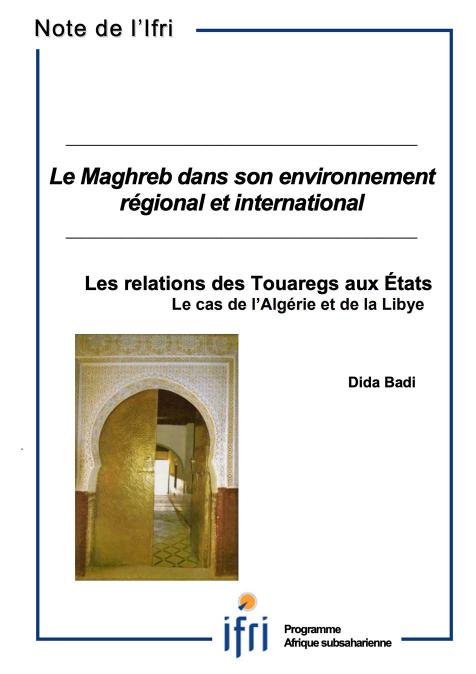
    The industrial revolution underwent by Europe in the 18th century has triggered the need for the major colonial powers to find new markets for their manufactured products. It is in this colonial competitive framework that European explorers delivered information about the different access roads, as well as the Tuareg tribes, notably the Kel Ajjer and the Kel Ahaggar. ...
  • From

    10
    5:30 pm September 2026
    This episode of Africafé features H.E. Abdisaid Muse Ali, former Somali Foreign Minister, discussing Somalia's federal system tensions, the decline of Western support for peacekeeping missions, the Ethiopia-Somaliland MOU dispute over Red Sea access, and the growing role of Turkey and Gulf states in the region. He calls for durable political settlement and greater African ownership of security solutions. ...
  • From

    02
    5:30 pm July 2026
    This episode explores Russia’s growing influence in Africa through media, information warfare, and anti-Western narratives. It examines how Moscow uses historical ties, social media, local influencers, and security partnerships to shape perceptions, while questioning the real scope and long-term impact of its presence on the continent. ...
  • From

    16
    5:30 pm February 2022
    Rida Lyammouri, Senior Fellow at Policy Center for the New South, will be speaking at the webinar “security and governence in africa: sahel and libya” organized by frica Study Group in partnership with The Middle East Institute. The security dynamics of the Maghreb and the Sahel are intertwined and the consequences of the Libyan conflict on the Sahel have been serious. Since its beginning in 2011, this conflict has triggered global concern about the economic, security, and geostrategic impacts on the Sahel. Current threats are posed by the illicit transfer, destabilizing accumulation, and misuse of arms, as well as the flow of armed groups and mercenaries. Despite considerable international efforts, especially by African countries, the Sahel is still experiencing one of the ...