
In this episode, Steven Höfner explores the role of international foundations in regional governance and diplomacy. Where he emphasizes the significance of multilateral dialogue in promoting stability and cooperation, and highlights the importance of fostering transatlantic relationships to address global challenges, such as governance and security.
RELATED CONTENT
-
 November 20, 2026In this episode, Amal El Ouassif examines how the EU’s expanded use of the “safe third country” concept could shift responsibility for asylum claims to countries beyond its borders.She ex ...
-
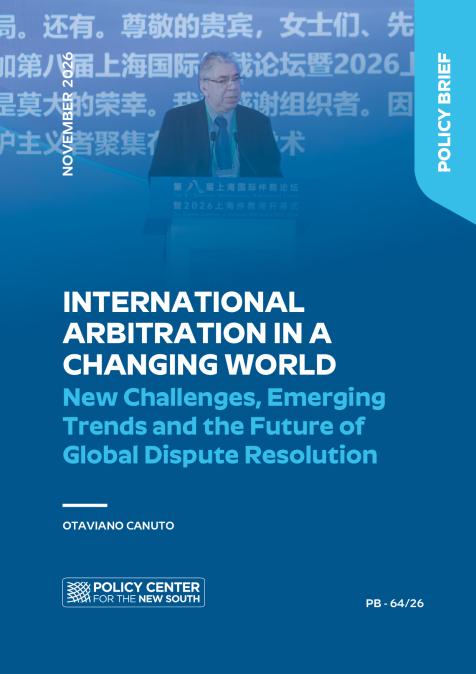 November 16, 2026How can international arbitration preserve its core principles of neutrality, party autonomy and enforceability while adapting to a world increasingly characterized by geopolitical fragmentation, technological disruption and competing regulatory interests? Meeting this challenge demands a collective effort, bringing together arbitral institutions, national courts, governments, international organizations, academics and practitioners. It requires openness to institutional innovation, ...
-
 November 13, 2026La réunion de l’Assemblée générale du 10 novembre 2026, convoquée à la suite du veto russe opposé le 30 octobre au projet de résolution américain sur le Sahara, constitue une nouvelle illustration de la volonté des États membres des Nations Unies de renforcer la transparence et la responsabilité politique des membres permanents du Conseil de sécurité. Sans remettre en cause le droit de veto ni modifier les règles de fonctionnement du Conseil, ce mécanisme impose que son exercice don ...
-
 November 12, 2026In this policy paper – Part 3 of our ongoing analysis – we address the Iran War and its implications for the evolution of the international system in its denouement from the clash between “Restoration”, on the one hand, and “Reformation” or “Revolution”, on the other (see our previous policy paper for a summary and analysis of Andrey Kortunov’s scenarios for the future of the international system). These rival global dynamics are faced off in this moment across the Strait of Hormuz ...
-
 November 12, 2026The U.S. midterm elections raise questions about the future direction of American foreign policy and its implications for Africa. This discussion examines how shifting political dynamics in Washington could shape the Trump administration’s foreign policy priorities and engagement with t...
-
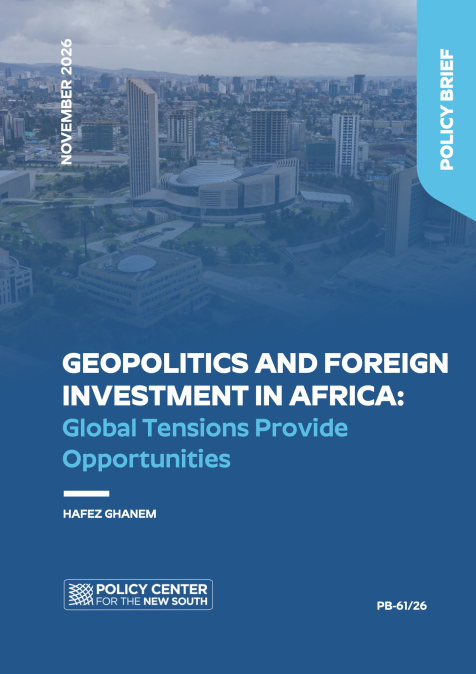 November 9, 2026“The emerging global disorder could present an opportunity for Africa. With the right long-term perspective, African countries will be well positioned to take advantage of some of the opportunities that arise from the new geoeconomic reality.”Gedion Timothewos (Ethiopia’s Foreign Affairs Minister) ...
-
November 06, 2026In this episode, Dr. Andreas Østhagen examines how climate change and geopolitical competition are reshaping the Arctic’s strategic importance. The discussion also explores the opportunit ...
-
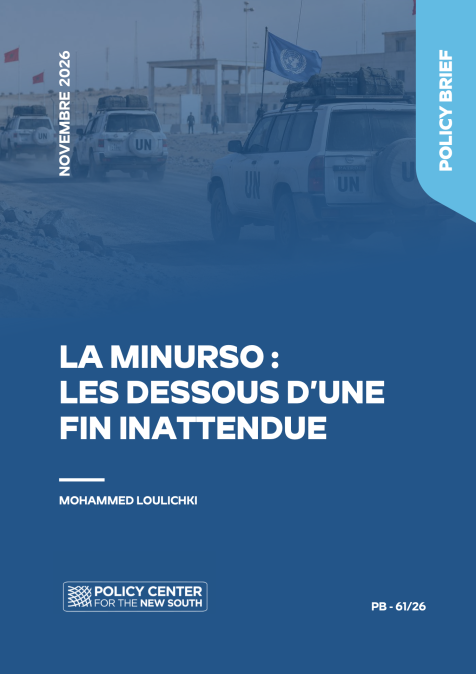 November 4, 2026Le 30 octobre 2026, le mandat de la Minurso a expiré et n’a pas été renouvelé. La raison : un projet américain, pourtant appuyé par 11 membres du Conseil de sécurité, auquel la Russie a opposé son veto, suivi d’un projet russe qui n’a pu recueillir que trois voix en sa faveur, sur lequel les États-Unis ont émis un vote négatif.Cette impasse révèle deux conceptions opposées du règlement. Washington entend recentrer le processus sur l’initiative marocaine d’autonomie et adapter progre ...
-
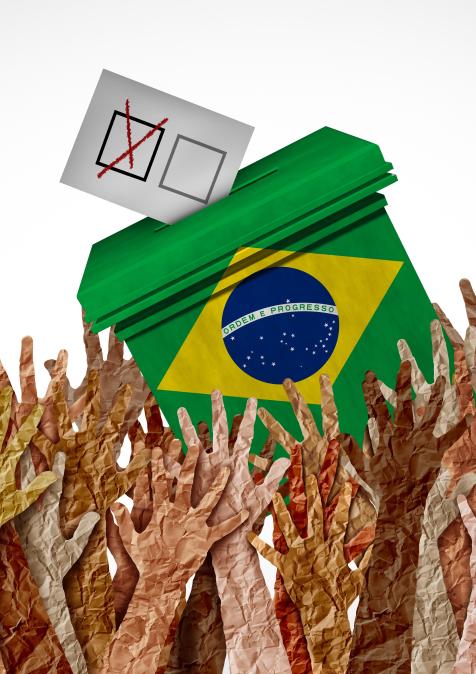 November 4, 2026Brazil’s presidential election, which concluded on October 25, 2026, was above all a digital battle. This is nothing new; the impact of social media on elections has been widely analyzed since Barack Obama's 2008 win marked a turning point for digital campaigning worldwide. Almost two decades later, social media is an entirely different breed, with a life of its own – and still very little regulation within electoral politics. The danger, however, is that digital players now also in ...
-
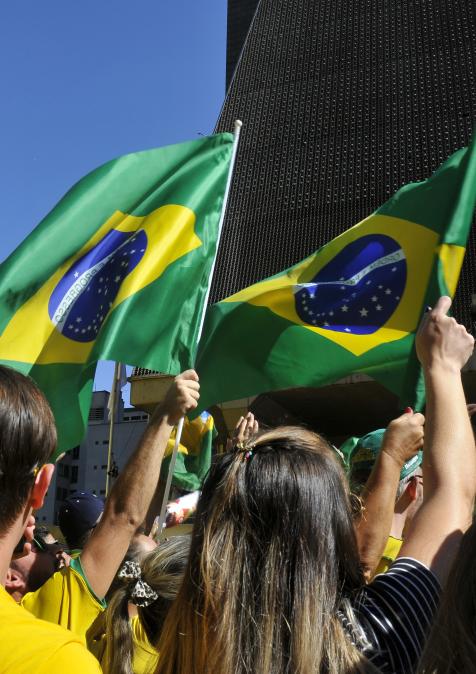 October 29, 2026Luiz Inácio Lula da Silva’s victory brings to an end one of the most closely contested elections in Brazil’s recent history. Before any broader analysis, however, a qualification is necessary. Supreme Court Justice Cristiano Zanin’s controversial decision to extend voting hours sparked debate over the electoral process. Although the measure was not mathematically decisive in Lula’s come-from-behind victory, the episode risks fuelling challenges to the result and further eroding poli ...

